
Beautiful Plants For Your Interior
Beautiful Plants For Your Interior
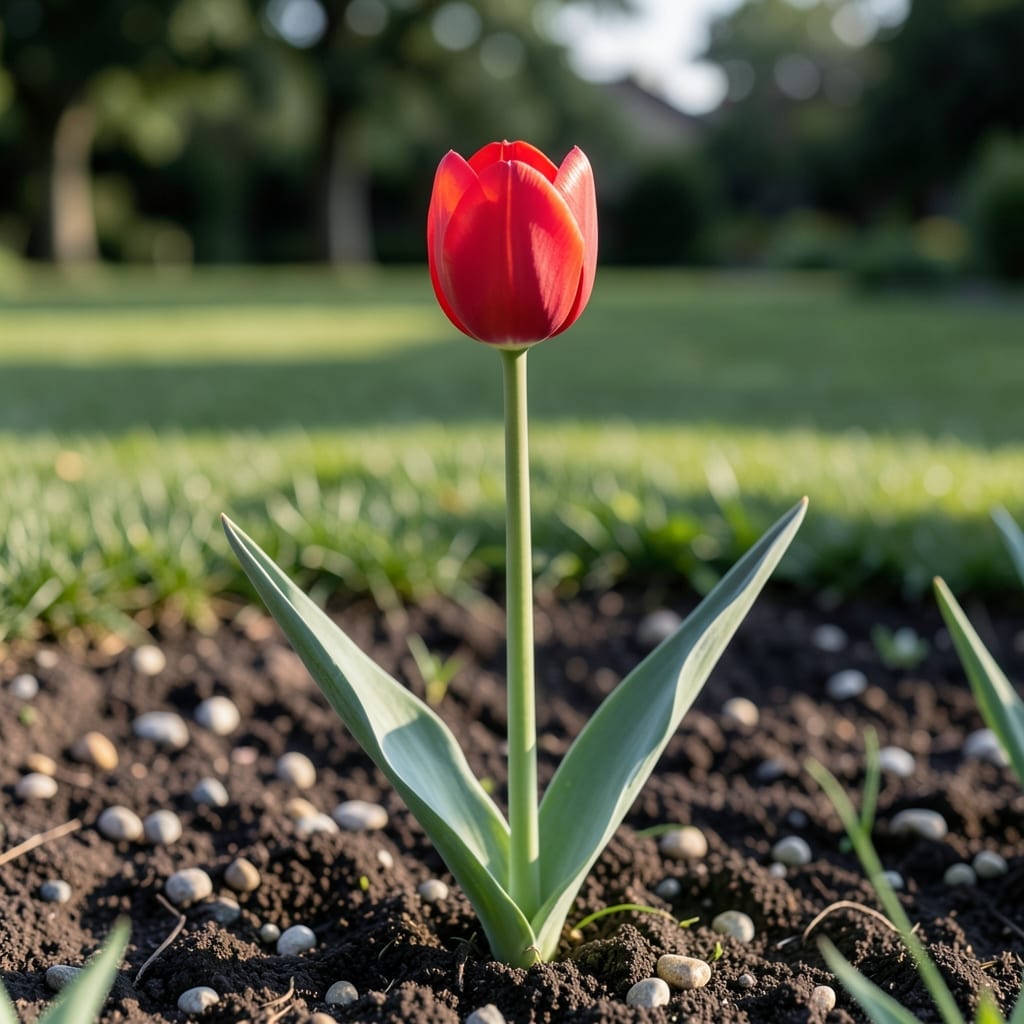
Tulips are the crown jewels of spring gardens, but their stunning blooms depend heavily on one critical factor: sunlight. Get it wrong, and you’ll end up with weak stems, sparse flowers, or no blooms at all.
The 🌷 Tulip thrives with the right balance of light, and understanding this can make or break your garden display. Whether you’re planting in beds or containers, light exposure is the key to vibrant, healthy flowers.
Let me walk you through exactly what these spring beauties need to flourish. You’ll discover how to give your tulips the perfect amount of sunlight for those show-stopping blooms you dream of.

If you want those iconic tulip blooms we all love, sunlight is non-negotiable. Most varieties demand 6-8 hours of direct light daily to thrive and produce those vibrant spring colors. Without enough sun, you risk weak stems and disappointing flowers.
I’ve found that full sun exposure works best for tulips in cooler climates, but in warmer regions, a bit of afternoon shade can prevent bulb scorching. The key is consistency—tulips need steady light to fuel their growth cycle.
| Requirement | Specification |
|---|---|
| Ideal Sunlight | 6-8 hours daily |
| Light Type | Direct sunlight |
| Partial Shade | Tolerated in warm climates |
| Best Window | South-facing |
For early bloomers like Darwin tulips, aim for the higher end of that range—8 hours—to ensure strong stems. These varieties are bred for durability and can handle intense spring sunlight without wilting.
If you’re growing tulips in containers, place them where they’ll get morning sun and some afternoon shade. This mimics their natural conditions and prevents the soil from drying out too quickly.
Dwarf tulips are a bit more forgiving and can manage with 4-6 hours of sunlight, making them perfect for shadier spots in your garden. But even these need bright, indirect light to truly shine.
In my experience, northern gardeners have the advantage here. The cooler temperatures allow tulips to soak up sunlight without the risk of overheating. Just make sure they’re planted in a spot that gets unobstructed light for most of the day.
For those in warmer zones, consider planting your tulips where they’ll get morning sun and dappled shade in the afternoon. This prevents the bulbs from baking in the heat while still giving them the light they crave.
Don’t forget that soil quality plays a role too. Well-draining soil helps tulips make the most of the sunlight they receive, as waterlogged roots can’t absorb nutrients efficiently, no matter how much light they get.
Finally, if you notice your tulips leaning toward the light, it’s a sign they’re not getting enough. Rotate your containers or adjust your garden layout to ensure even exposure. With the right care, you’ll be rewarded with a stunning display come spring ☀️
Even with the best intentions, tulips can struggle if they’re not getting the light they need. The first sign I notice is leggy stems—they stretch toward the light like they’re begging for more. This happens when tulips are in too much shade.
Another red flag is pale or yellowing leaves. While some yellowing is normal as the season progresses, early discoloration often means your tulips aren’t photosynthesizing enough. They simply can’t produce the energy they need without adequate sunlight.
⚠️ Warning: Tulips with failed blooms or blind stems (no flowers at all) are classic signs of insufficient light. If your tulips aren’t flowering, check their sun exposure first!
I’ve also seen weak or floppy stems in tulips that aren’t getting enough sun. These plants lack the strength to hold up their blooms, leading to a sad, droopy display. It’s heartbreaking after all the care you’ve put into planting them.
Smaller blooms than usual? That’s another indicator. Tulips grown in low light often produce flowers that are undersized or less vibrant. The colors may look washed out instead of rich and deep.
If your tulips are leaning heavily to one side, they’re likely reaching for light. This is common in containers or garden beds where nearby structures or plants create shade. Rotating pots or thinning surrounding plants can help.
Finally, delayed blooming can signal a light issue. Tulips planted in shady spots often bloom later than those in sunnier areas. If your neighbors’ tulips are blooming weeks before yours, it might be time to reassess your garden’s light conditions 🌷