
Beautiful Plants For Your Interior
Beautiful Plants For Your Interior
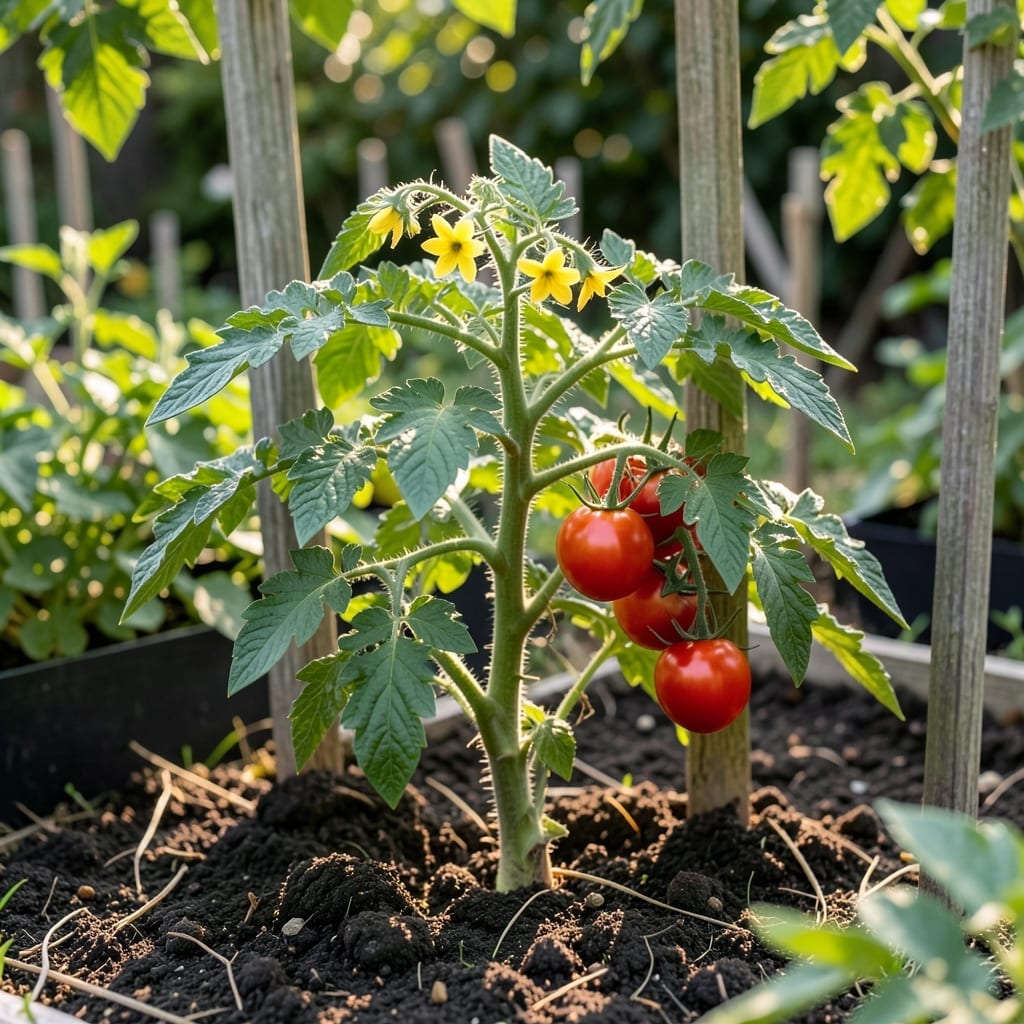
I remember the first time I planted Tomato 🍅 seeds with high hopes, only to end up with sparse, struggling plants. The problem? I had underestimated their love for sunlight, a game-changer for healthy growth.
These vibrant plants thrive on light, and getting it right can mean the difference between a meager harvest and a bumper crop. Whether you’re a beginner or a seasoned gardener, understanding their needs is key.
Discover how to provide the perfect amount of light for your Tomato plants and watch them flourish like never before. Let’s break it down simply and effectively.

If you’ve ever wondered why your tomato plants aren’t thriving, sunlight might be the culprit. These warm-season plants are sun worshippers, and most varieties demand a solid 6-8 hours of direct sunlight daily to produce their best fruit.
However, not all tomatoes are created equal. Some varieties can tolerate slightly less light, while others absolutely require full sun to reach their potential. The key is knowing your plant’s specific needs and your garden’s conditions.
| Variety | Sunlight Needs | Notes |
|---|---|---|
| Determinate | 6-8 hours | Compact growth, good for containers |
| Indeterminate | 8+ hours | Vining growth, needs more light |
| Cherry | 6-8 hours | More tolerant of partial shade |
| Beefsteak | 8+ hours | Largest fruit, needs most sun |
Cherry tomatoes are often the most forgiving, producing decent crops with just 6 hours of sunlight. But if you’re growing those beefsteak varieties, plan for at least 8 hours of direct sun to get those massive, juicy fruits.
Determinate tomatoes, which grow to a certain size and produce all their fruit at once, can get by with slightly less light than their indeterminate cousins. The latter keep growing and producing all season, demanding maximum sunlight to sustain their vigorous growth.
Heirloom varieties often fall in the middle, needing about 7-8 hours of sun. These older varieties haven’t been bred for shade tolerance, so they typically require more traditional growing conditions to perform at their best.
Remember, these are daily minimums. More sun generally means more fruit, as long as you’re also providing adequate water and nutrients. In hotter climates, afternoon shade can actually benefit plants by preventing sunscald on fruits.
For gardeners in cloudy regions, choose varieties known for lower light tolerance. ‘Stupice’ and ‘Siberian’ are excellent choices that can produce well with just 5-6 hours of sun.
If you’re growing in containers, remember that pots can heat up quickly in full sun. I recommend using light-colored containers and ensuring they receive morning sun, which is gentler than the intense afternoon rays.
Finally, observe your plants. If they’re stretching toward the light or have pale leaves, they might be begging for more sun. Adjust their position or consider supplementing with grow lights if natural light is limited.
With the right amount of sunlight, your tomato plants will reward you with vigorous growth and an abundant harvest that makes all your efforts worthwhile ☀️
Even with the best intentions, it’s easy to misjudge whether your tomato plants are receiving adequate light. The first sign I notice is leggy seedlings—tall, spindly stems with widely spaced leaves, stretching desperately toward any light source.
As plants mature, insufficient sunlight manifests in yellowing leaves, particularly on the lower portions of the plant. This chlorosis occurs because the plant can’t produce enough chlorophyll without proper light exposure.
⚠️ Warning: Slow fruit development and smaller-than-expected tomatoes are classic signs of light deprivation. Your plants might also produce fewer flowers, directly impacting your harvest.
Another red flag is weak stem growth. Plants struggling for light often develop thin, flimsy stems that can’t support the weight of their fruit. I’ve seen this happen even with otherwise healthy-looking plants in partially shaded areas.
Don’t confuse light stress with other common issues. Unlike overwatering, which typically causes wilted yellow leaves, light deficiency results in overall paleness and stunted growth. Nutrient deficiencies often show as specific patterns on leaves, while light issues affect the whole plant uniformly.
If you notice your plants leaning toward the sun, this is their way of telling you they need more. I recommend rotating container-grown tomatoes daily to ensure even light exposure on all sides, preventing this one-sided growth.
Remember, these symptoms often appear gradually. Regular observation is key to catching light issues early. The good news? Most tomato plants recover quickly once moved to a sunnier spot, often showing improvement within just a few days ☀️