
Beautiful Plants For Your Interior
Beautiful Plants For Your Interior
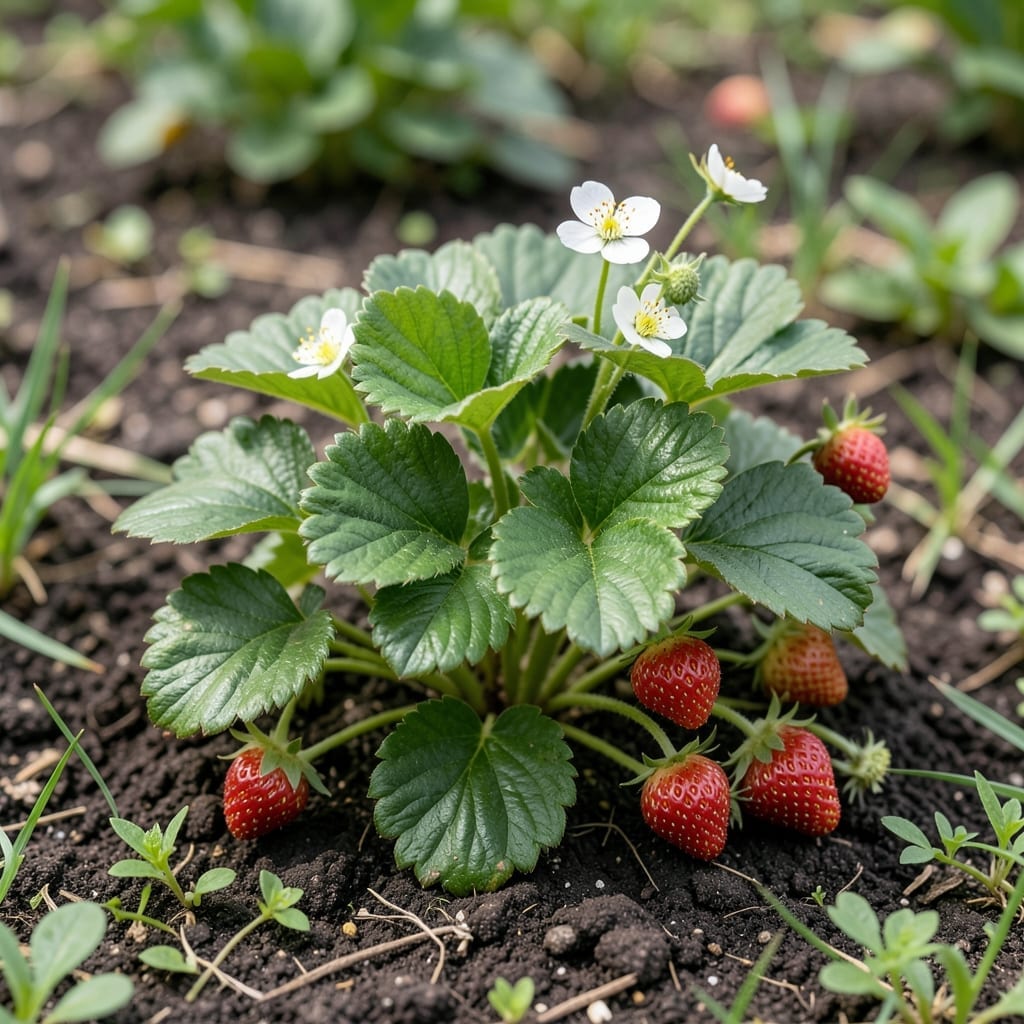
Nothing beats the taste of sun-ripened 🍓 Strawberry fresh from your garden, but getting that perfect sweetness starts with the right amount of sunlight.
Whether you’re planting in the ground, raised beds, or containers, understanding light requirements is the key to a bountiful harvest. It’s not just about Quantity—it’s about quality and timing too.
Discover how to give your plants the ideal exposure they need to thrive and produce those juicy, flavorful berries you love.

If you want sweet, juicy strawberries, sunlight is non-negotiable. Most varieties thrive with 6-8 hours of direct sun daily, but the exact needs vary by type and climate conditions.
I’ve found that June-bearing strawberries are the sun-worshippers of the bunch, often needing that full 8-hour dose to produce their single, large annual harvest. Everbearing and day-neutral types can be a bit more forgiving.
| Variety | Minimum Sun | Ideal Sun | Notes |
|---|---|---|---|
| June-bearing | 6 hours | 8+ hours | Largest harvest with full sun |
| Everbearing | 6 hours | 6-8 hours | Multiple harvests, tolerates partial shade |
| Day-neutral | 4-6 hours | 6-8 hours | Most adaptable to shade |
In my experience, morning sunlight is most beneficial because it’s less intense than afternoon rays. This helps prevent sun scald on developing berries while still providing the energy needed for photosynthesis.
If you’re in a hot climate, like USDA zones 9-11, your strawberries might actually benefit from some afternoon shade. This prevents heat stress and keeps the soil from drying out too quickly.
For container gardens, I recommend placing pots where they’ll get eastern exposure first thing in the day, then moving them to follow the sun if possible. A sunny balcony or patio works wonders.
Remember that light intensity matters as much as duration. A spot with dappled shade from a tree might not provide enough direct light, even if it’s technically “sunny” for 8 hours.
I’ve noticed that strawberries grown in less than 6 hours of sun often produce smaller, less sweet berries. The plants may also be more susceptible to diseases due to reduced vigor.
For the best results, aim for that sweet spot of 6-8 hours. If you’re unsure about your garden’s light, try using a sunlight calculator app to track exposure throughout the day.
And don’t forget that seasonal changes affect sunlight too. In early spring or late fall, you might need to supplement with grow lights for container plants to maintain productivity.
When strawberries don’t get enough sun, they’ll tell you clearly through their growth. The first sign I notice is yellowing leaves, which often appear pale or washed out rather than a vibrant green.
Another red flag is leggy growth—when plants stretch tall and spindly as they desperately reach for light. This weakens the stems and reduces fruit production.
⚠️ Warning: Small berries and poor fruiting are classic signs of insufficient sunlight. If your plants are only producing a few tiny strawberries, they’re likely starved for light.
I’ve also seen reduced flowering in shaded strawberries. Without enough light, the plants focus on survival rather than reproduction, so you’ll get fewer blossoms and, consequently, fewer berries.
Another subtle clue is slow growth. Strawberries in low-light conditions grow at a snail’s pace compared to their sun-kissed counterparts. If your plants seem stagnant, check their light exposure.
For gardeners in shaded areas, don’t lose hope. Try pruning nearby trees or using reflective mulches to bounce extra light onto your plants. Sometimes, simply relocating pots can make a world of difference.
If you can’t move your plants, consider light-colored containers or raised beds to maximize light absorption. In extreme cases, supplemental grow lights can help, especially for early spring or late fall crops.
☀️