
Beautiful Plants For Your Interior
Beautiful Plants For Your Interior
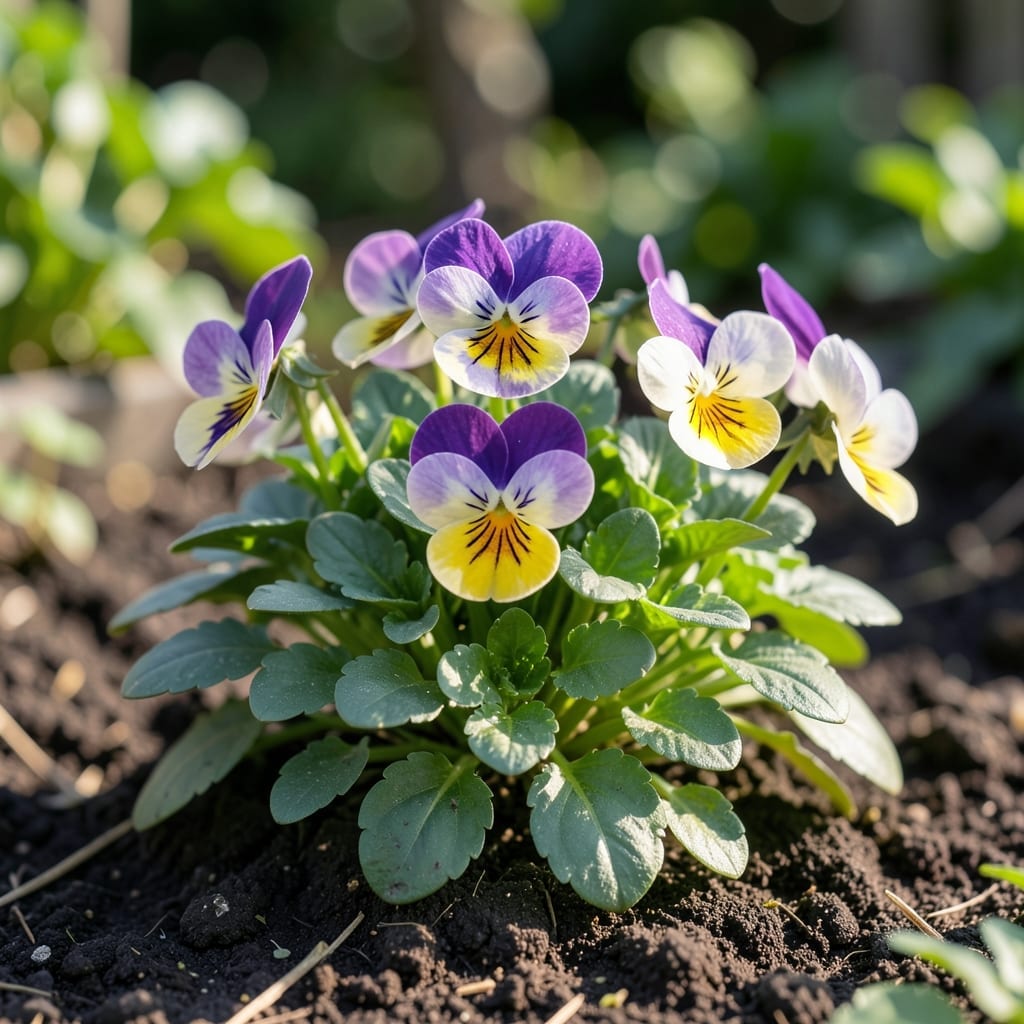
There’s something magical about watching 🌸 Pansies light up a garden with their cheerful faces. But without the right sunlight, these vibrant blooms can quickly lose their charm.
I learned the hard way that getting their light needs just right makes all the difference. Too much sun can scorch their delicate petals, while too little leaves them leggy and weak.
Discover the simple yet most important balance that keeps Pansies thriving all season long. Let’s make your garden the envy of the neighborhood.


I’ve found that pansies thrive best with 4 to 6 hours of direct sunlight daily. They’re adaptable, but too little light can lead to sparse blooms and weak stems. These hardy flowers can handle morning sun beautifully.
In hotter climates, I recommend afternoon shade to protect their delicate petals from scorching. Pansies in containers can be moved to follow the sun’s path, ensuring they get just the right amount of light each day.
| Requirement | Specification |
|---|---|
| Ideal Sunlight | 4-6 hours daily |
| Shade Tolerance | Tolerates partial shade |
| Best Sun Type | Morning sun |
| Afternoon Care | Shade in hot climates |
For garden beds, I suggest planting pansies where they’ll get eastern exposure. This ensures they benefit from gentle morning light while avoiding the harsh afternoon rays. It’s a simple trick that keeps blooms vibrant and healthy.
If you’re growing pansies in containers, rotate them occasionally for even light distribution. This prevents the plants from leaning toward the light source, promoting balanced growth and fuller, more symmetrical blooms.
In cooler climates, pansies can handle full sun without issue. But when temperatures rise above 75°F, providing some shade helps prevent heat stress. I’ve seen pansies wilt quickly in extreme heat without protection.
For those in USDA zones 6-10, pansies can even bloom through mild winters if given enough light. A south-facing window or a sunny patio can work wonders during colder months, keeping your garden colorful year-round.
Remember, pansies are versatile, but their sunlight needs vary by season. In spring and fall, they can tolerate more sun, while summer often requires some shade. Observing your plants’ response to light helps fine-tune their care.
If your pansies start looking leggy or weak, they might need more light. On the other hand, scorched petals signal too much direct sun. Adjusting their position can bring them back to their vibrant best.
With the right balance of sunlight, your pansies will reward you with abundant blooms and healthy growth. It’s all about finding that sweet spot where they get just enough light to thrive without stress.
I always remind fellow gardeners that pansies are forgiving, but they do have their limits. Paying attention to their sunlight needs ensures a garden full of colorful, cheerful faces all season long. ☀️
I’ve noticed that pansies show clear signs when their sunlight needs aren’t met. Leggy stems and fewer blooms often mean they’re craving more light. These plants stretch toward the sun when they’re light-deprived.
On the flip side, scorched petals or wilted leaves usually indicate too much direct sun, especially in hot climates. Pansies in full afternoon sun can quickly become stressed without some shade.
⚠️ Warning: Sunlight Imbalance
Leggy growth or faded colors? Your pansies need more sunlight. Brown, crispy edges? They’re getting too much direct sun without afternoon shade.
Another telltale sign is smaller flowers. When pansies don’t get enough light, they conserve energy by producing smaller, less vibrant blooms. I’ve seen this happen in shady corners of the garden.
If your pansies’ leaves turn yellow, it could signal either too much or too little light. Check their position—if they’re in deep shade or blazing sun, it’s time to relocate them.
For container-grown pansies, I recommend rotating pots weekly. This ensures all sides get equal light exposure, preventing uneven growth. It’s a simple fix that keeps plants looking full and balanced.
In my experience, pansies in partial shade often bloom longer in hot summers. Moving them to a spot with morning sun and afternoon shade can revive struggling plants quickly.
Remember, pansies are resilient, but they thrive best with consistent light. Adjusting their position based on these signs will keep your garden vibrant and healthy. 🌷