
Beautiful Plants For Your Interior
Beautiful Plants For Your Interior
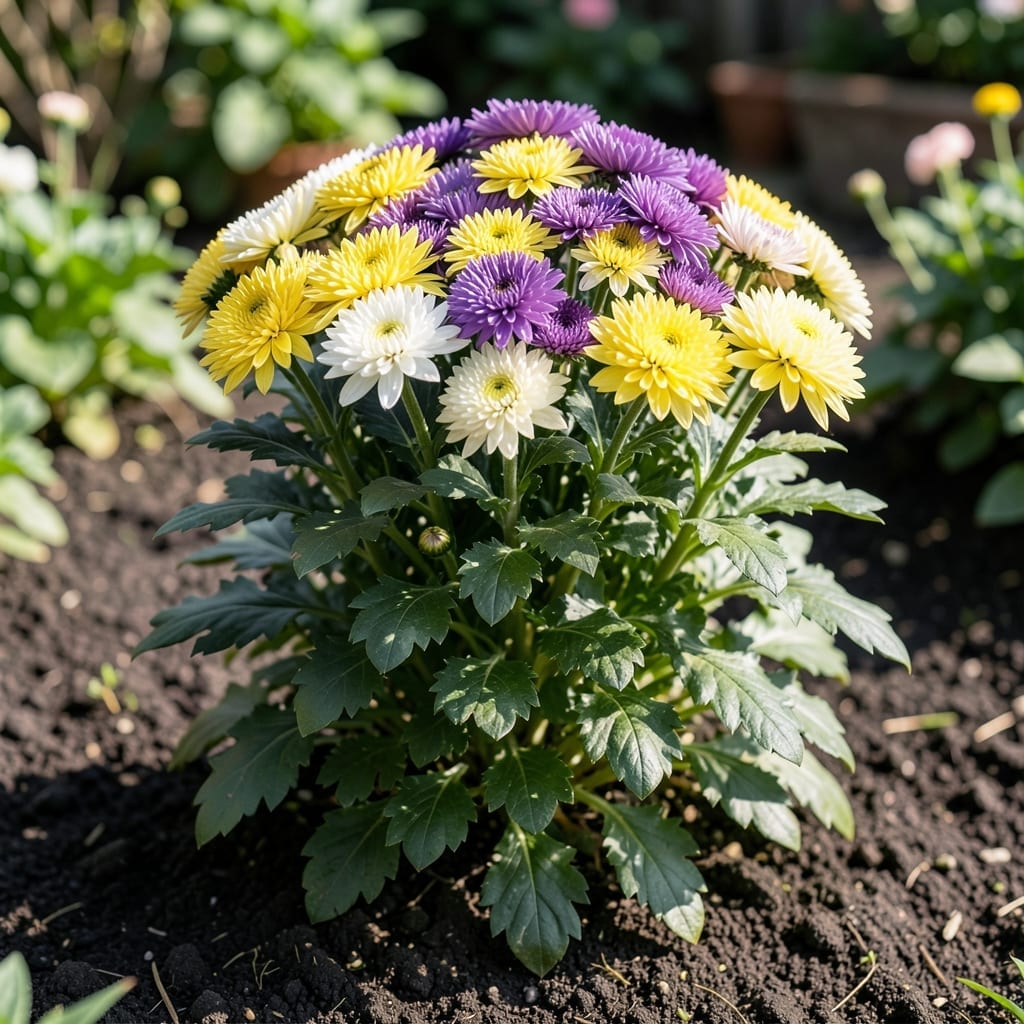
Nothing beats the burst of color from 🌼 Chrysanthemum blooms in fall, but many gardeners struggle to get them thriving. The truth? Sunlight is often the missing piece of the puzzle.
These vibrant flowers aren’t just pretty—they’re particular about their light. Too little, and you’ll get weak stems and sparse blooms. Too much in harsh climates, and the leaves may scorch.
Discover how to strike the perfect balance for your mums, whether you’re in zone 5-9 or growing them in containers. It’s easier than you think to get it right.
 Best Window Placement
I’ve found that most mums thrive in full sun, but the exact needs can vary by type. Garden mums, the hardy perennials, typically need 6-8 hours of direct sunlight daily to produce those vibrant fall blooms we love.
Florist mums, often grown in pots, can tolerate slightly less light but still perform best with at least 6 hours. Meanwhile, hardy mums in cooler climates may handle partial shade, especially in hot afternoons.
| Variety | Sunlight Needs | Climate Adjustments |
|---|---|---|
| Garden Mums | 6-8 hours full sun | Afternoon shade in zone 9 |
| Florist Mums | 6+ hours direct light | Indoor bright light if potted |
| Hardy Mums | Full sun to partial shade | Partial shade in hot summers |
In my experience, morning sun is ideal because it’s less intense than the harsh afternoon rays. This is especially true in southern zones where the heat can stress the plants if they’re in direct sunlight all day.
If you’re growing mums in containers, I recommend placing them where they can get that eastern exposure. This way, they soak up the gentle morning light and avoid the scorching midday sun that can bleach the petals.
For gardeners in cooler climates, like zones 5-6, don’t hesitate to give your mums as much sun as possible. They’ll reward you with bigger blooms and stronger stems when they get that full-day sunlight.
I’ve noticed that leggy growth is a common sign of insufficient light. If your mums are stretching toward the sun, it’s their way of telling you they need more. A simple fix is to relocate them to a sunnier spot.
On the flip side, if the leaves look scorched or the blooms fade quickly, your mums might be getting too much direct light. In these cases, a bit of afternoon shade can work wonders.
Don’t forget that seasonal changes affect sunlight too. As days get shorter in fall, your mums might need a brighter spot to keep blooming strongly. I like to adjust their position every few weeks to match the sun’s path.
Finally, remember that consistent light is key. Mums that get dappled shade all day often struggle more than those in steady sun or steady shade. Aim for a balanced exposure to keep them happy and healthy.
With the right sunlight, your mums will thrive and give you that stunning fall display every gardener dreams of 🌼
I’ve learned that mums are quite vocal about their light needs if you know what to look for. Leggy stems with few blooms usually mean they’re craving more sunlight and stretching toward any available light source.
Pale or yellowing leaves can also signal insufficient light, as the plant struggles to photosynthesize effectively. This is especially common in shady garden spots where mums get less than their required 6 hours of sun.
⚠️ Warning: Brown, crispy leaf edges or bleached petals often mean your mums are getting too much direct sun, especially in hot climates like zone 9. Move them to a spot with afternoon shade to prevent further damage.
Another red flag is smaller-than-normal blooms. When mums don’t get enough light, they conserve energy by producing fewer, smaller flowers. If your usually vibrant plants look lackluster, check their sun exposure first.
On the other hand, wilting during peak sun can indicate heat stress. While mums love sun, intense midday rays in summer can overwhelm them. I’ve found that eastern exposure often provides the perfect balance of light without the harshness.
Faded flower colors are another sign of excessive sun. If your deep reds or purples start looking washed out, it’s time to adjust their position. Try moving potted mums to a brighter but indirect light area.
For in-ground plants, consider companion planting with taller perennials that can provide dappled shade during the hottest part of the day. This simple trick has saved many of my mums from sun scorch while keeping their blooms vibrant 🌼