
Beautiful Plants For Your Interior
Beautiful Plants For Your Interior
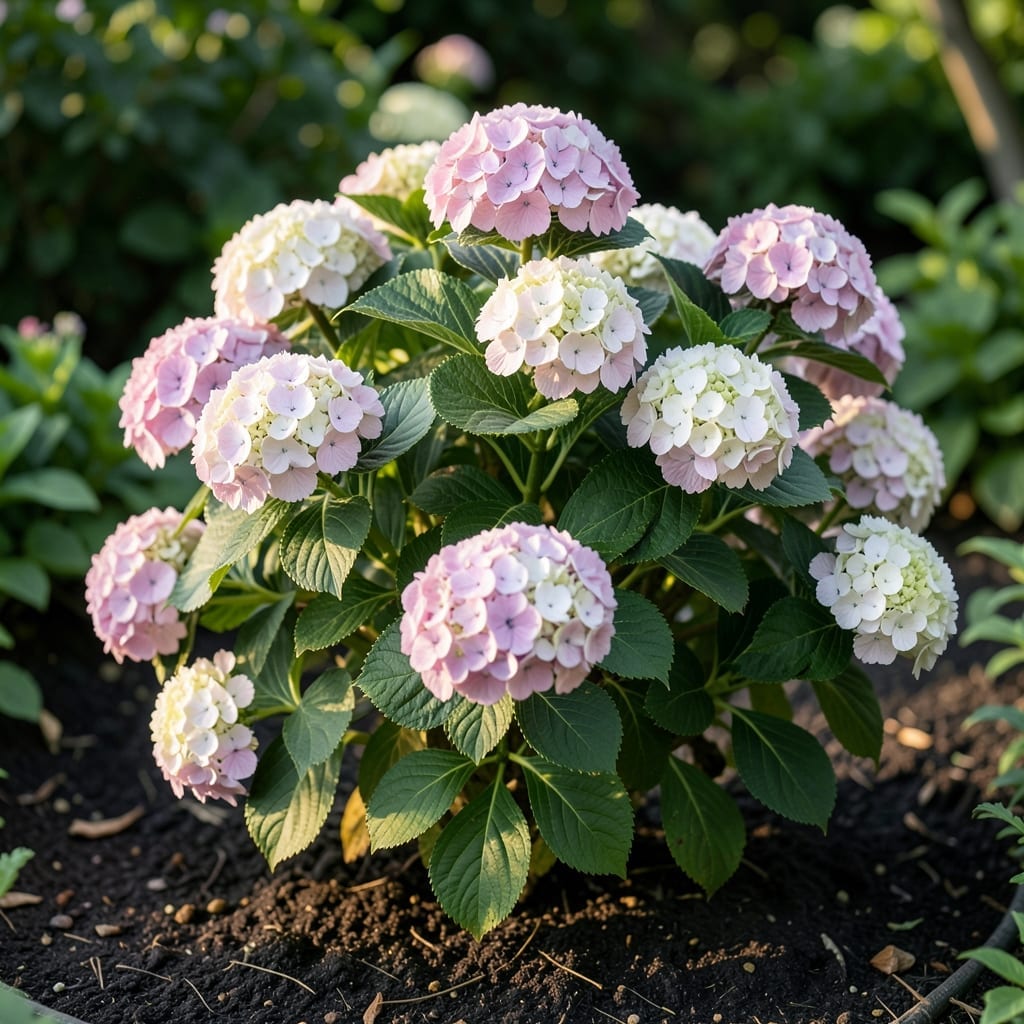
Hydrangeas are beloved for their stunning, voluminous blooms, but getting the sunlight right is the key to vibrant, healthy 🌸 plants. Too much or too little light can leave your Hydrangeas struggling to thrive.
I’ve seen gardeners transform lackluster shrubs into showstoppers simply by adjusting their light exposure. Whether you’re in zone 3-9 or planting in spring, this guide will help you nail the perfect balance.
Discover how to give your Hydrangeas the ideal conditions for lush, colorful blooms all season long. Let’s get started.


Not all hydrangeas have the same sunlight needs. The ideal light exposure depends heavily on the variety you’re growing. I’ve found that understanding these differences can make or break your blooming success.
From my experience, Bigleaf hydrangeas thrive in partial shade, while Panicle types can handle more sun. Oakleaf varieties fall somewhere in between, making them quite adaptable.
| Variety | Sunlight Needs | Best Conditions |
|---|---|---|
| Bigleaf | 4-6 hours morning sun | Afternoon shade in hot climates |
| Panicle | 6-8 hours full sun | Tolerates heat with consistent moisture |
| Oakleaf | 4-6 hours sun | Dappled shade or morning sun |
Bigleaf hydrangeas are the most sun-sensitive. In my garden, they flourish with morning sunlight and protection from harsh afternoon rays. This variety loves the gentle warmth of early day sun.
For Panicle hydrangeas, I recommend full sun positions in cooler climates. These tough plants can handle more direct light, especially when given consistent watering during dry spells.
Oakleaf hydrangeas offer the most flexibility. I’ve successfully grown them in both partial shade and full sun locations, though they perform best with some afternoon protection in the hottest zones.
Remember that light intensity matters as much as duration. In my experience, dappled shade through trees often provides perfect conditions for most hydrangea varieties.
The color of your blooms can also change based on light exposure. I’ve noticed that some Bigleaf varieties develop more intense blue or purple hues with just the right amount of morning sun.
If you’re in USDA zones 7-9, afternoon shade becomes even more crucial. I always recommend observing your garden’s light patterns throughout the day before planting.
For container-grown hydrangeas, I find they need slightly more sun than in-ground plants. The limited root space means they benefit from additional light to maintain vigorous growth.
🌸
Your hydrangeas will tell you if they’re unhappy with their light conditions. I’ve learned to watch for specific warning signs that indicate too much or too little sun exposure in my garden.
From my experience, leaf scorch and crispy edges often appear when hydrangeas receive too much direct sunlight. This typically happens during the hottest part of the afternoon.
⚠️ Warning: Brown leaf tips or wilting in full sun mean your hydrangeas need immediate shade and extra water to recover.
On the other hand, poor blooming and sparse foliage often signal insufficient light. I’ve noticed this especially with Bigleaf varieties that aren’t getting their 4-6 hours of morning sun.
Yellowing leaves can indicate both over and under-exposure. In my garden, I check the pattern: if it’s the sun-facing side turning yellow, it’s likely getting too much light.
Another sign I watch for is stunted growth. Hydrangeas that aren’t receiving enough light will grow slowly and produce smaller blooms than expected for their variety.
For Panicle hydrangeas, if they’re not flowering well in full sun, it might mean they need more consistent watering to handle the increased light exposure.
I always recommend observing your plants at different times of day. This helps identify which parts of your garden might need light adjustments for optimal hydrangea health. ☀️