
Beautiful Plants For Your Interior
Beautiful Plants For Your Interior
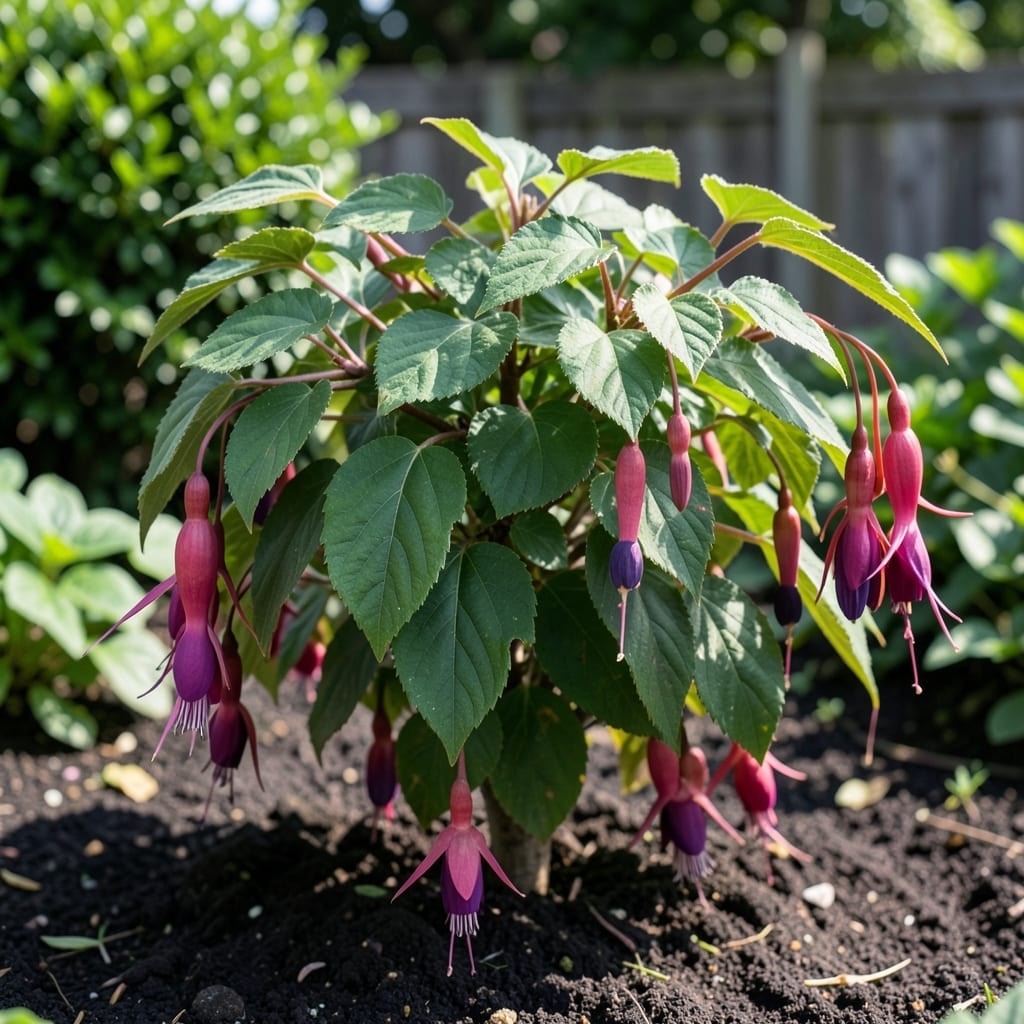
There’s nothing quite like watching 🌸 Fuchsia blooms sway in the breeze, but getting their light right can be tricky. Many gardeners assume these plants need full sun, only to watch their delicate flowers wilt under harsh rays.
I learned the hard way that Fuchsias thrive in a gentler balance. Too much direct light scorch their petals, while too little leaves them leggy and weak. The solution lies in finding that sweet spot.
Whether you’re growing them in pots or garden beds, understanding their light preferences transforms your success. I’ll share the simple adjustments that kept my Fuchsias blooming all season long.
Discover how to give these beauties just the right amount of sunlight for vibrant, healthy growth. Let’s get started.

I’ve found that fuchsias thrive in partial shade, but their exact needs vary by type. Hardy fuchsias can handle more sun than tender varieties, which prefer dappled light.
Most fuchsia plants do best with 4-6 hours of morning sunlight and afternoon shade. This balance prevents leaf scorch while encouraging vibrant blooms.
| Variety | Sunlight Needs | Notes |
|---|---|---|
| Hardy Fuchsias | 6 hours morning sun | Tolerates more direct light |
| Tender Fuchsias | 4 hours filtered light | Prefers dappled shade |
| Basket Fuchsias | Partial shade | Ideal for hanging containers |
In hotter climates, I recommend shifting fuchsias to full shade during peak summer. This prevents heat stress and keeps flowers vibrant.
Morning sun is always preferable because it’s less intense than afternoon rays. I’ve noticed my fuchsia plants bloom more abundantly with this exposure.
For container-grown fuchsias, rotate pots weekly to ensure even light distribution. This simple step promotes balanced growth and prevents leggy stems.
If you’re growing fuchsias indoors, place them near an east-facing window. This mimics their ideal outdoor light conditions perfectly.
I’ve learned that too much sun causes brown leaf edges, while too little light leads to sparse blooms. Monitoring your plants helps find the sweet spot.
In cooler regions, fuchsias can tolerate more sun. I’ve successfully grown them in full morning sun with excellent results.
Remember, consistent moisture pairs with proper light for best results. Fuchsias in optimal light conditions need regular watering to maintain their vigor.
Experiment with placement to see what works best in your garden. I’ve found that even small adjustments can significantly improve fuchsia performance and bloom quality. ☀️
If your Fuchsia looks sad, light is often the culprit. Leggy stems with few blooms scream for more light, while brown leaf edges or wilted flowers signal too much direct sun exposure.
I’ve seen yellowing leaves in my own plants when they’re stuck in deep shade for too long. Even poor flowering despite healthy growth can mean your Fuchsia needs brighter, indirect light conditions.
⚠️ Warning Signs of Poor Light in Fuchsias
When I notice my Fuchsias stretching toward the light, I know it’s time to relocate them to a brighter spot with morning sun and afternoon shade for better balance and blooming.
On the flip side, crispy leaf edges or bleached petals are clear signs of sunburn. I immediately move these plants to a shadier location or add a shade cloth during peak hours.
Don’t overlook flower drop either. If buds form but fall off before opening, your Fuchsia might be getting too much heat or inconsistent light throughout the day.
I’ve found that rotating pots every few days ensures even light distribution. This simple trick prevents lopsided growth and encourages fuller blooming across the entire plant.
Remember, Fuchsias prefer gentle morning light over harsh afternoon rays. Adjusting their position based on these visual cues keeps them thriving all season long.