
Beautiful Plants For Your Interior
Beautiful Plants For Your Interior
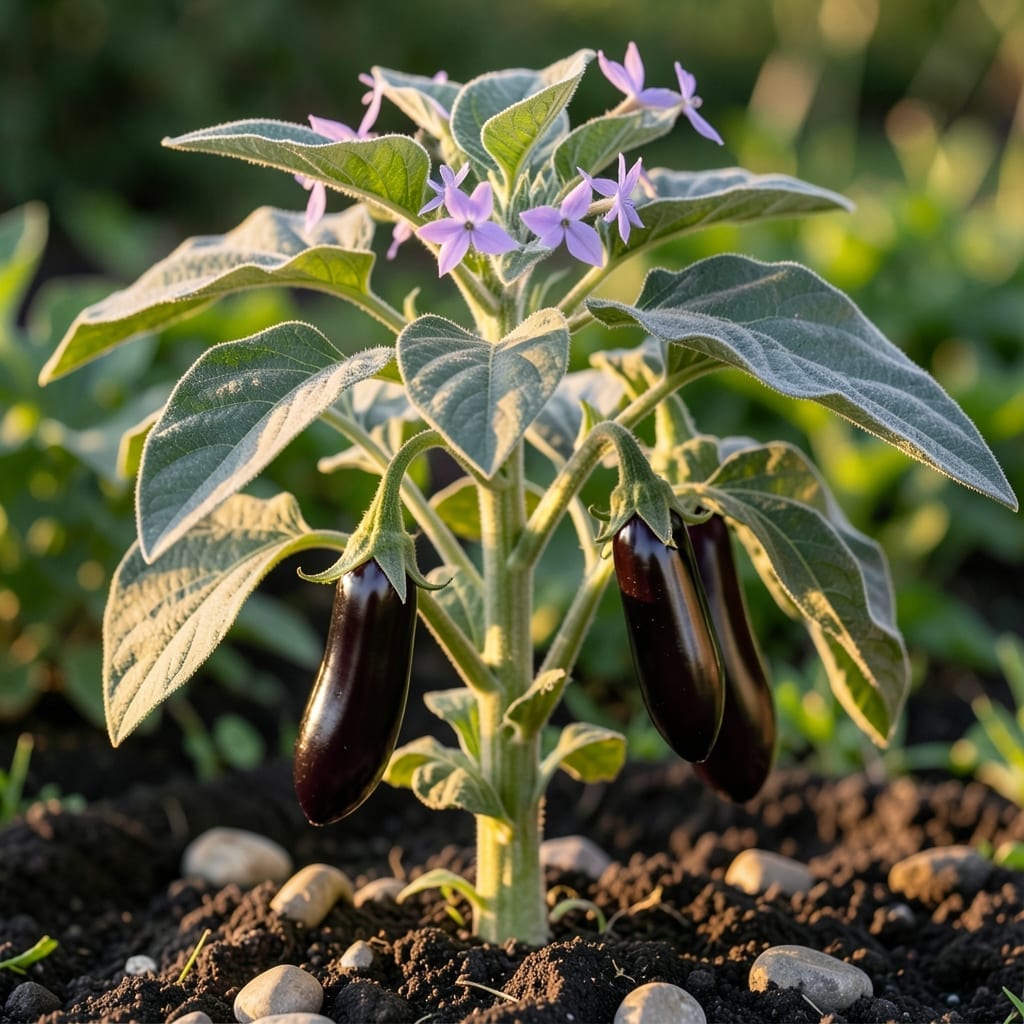
Eggplants thrive in warm climates, but their sunlight needs often leave gardeners guessing. I’ve seen too many healthy-looking 🍆 plants struggle simply because they weren’t getting the right amount of light.
Getting the daily sunlight requirements right is the key to robust growth and a bountiful harvest. Whether you’re a beginner or a seasoned gardener, nailing this detail makes all the difference.
In this guide, I’ll break down exactly how much sun your Eggplant needs at every stage. You’ll discover the optimal hours and how to adjust for different climates.
Let’s ensure your plants get the light they crave for vibrant blooms and healthy fruit production.


If you want healthy eggplants with a great harvest, sunlight is non-negotiable. I’ve learned that these warm-season plants are sun worshippers, thriving best with consistent exposure throughout their life cycle.
From my experience, 6-8 hours of direct sunlight daily is the sweet spot for most eggplant varieties. This ensures robust growth, strong stems, and abundant fruit production. Anything less, and you risk stunted plants.
| header” style=”background-color: #6fd544; color: #fff;”>Sunlight Requirement | cell”>Seedlings | cell”>Start indoors with grow lights for 14-16 hours |
|---|---|---|
| cell”>6+ hours | cell”>Vegetative Growth | cell”>Full sun for strong stems and leaves |
| cell”>8+ hours | cell”>Fruiting | cell”>Direct sunlight ensures plump, flavorful eggplants |
During the seedling stage, I recommend using grow lights to provide 14-16 hours of light daily. This mimics the intense sunlight they’d get in their native warm climates and prevents leggy, weak plants.
Once transplanted outdoors, eggplants need a minimum of 6 hours of direct sunlight. However, for optimal fruit production, aim for 8 hours or more. I’ve noticed that plants in full sun produce larger, more flavorful eggplants.
In hotter climates, afternoon shade can actually benefit eggplants, preventing sunscald on the fruit. But in most regions, full sun all day is ideal. Monitor your plants for signs of stress, like wilting or yellowing leaves.
If your garden doesn’t get full sun, don’t worry. Some eggplant varieties like ‘Black Beauty’ or ‘Ichiban’ are more tolerant of partial shade. Still, aim for at least 6 hours of direct sunlight for the best results.
For container gardeners, place your eggplant pots in the sunniest spot possible, such as a south-facing patio or balcony. Rotate the pots occasionally to ensure even light distribution and prevent the plants from leaning toward the light.
Remember, consistent sunlight is key. Eggplants that receive irregular light may produce uneven fruit or drop blossoms. Keep an eye on the weather, too—cloudy days can reduce the effective sunlight your plants receive.
By meeting these sunlight requirements, you’ll set your eggplants up for success. Healthy plants mean a bountiful harvest, and with the right care, you’ll be enjoying fresh eggplants all season long. ☀️
While eggplants prefer full sun, they can tolerate partial shade with some adjustments. I’ve successfully grown them in spots getting 4-6 hours of sunlight, though yields are smaller.
For low-light conditions, choose shade-tolerant varieties like ‘Fairy Tale’ or ‘Hansel’. These compact plants perform better with less direct sun than standard types.
💡 Pro Tip: If your garden lacks full sun, use reflective mulches or white garden fabric to maximize available light for your eggplants.
In partial shade, space plants closer to reduce competition. I recommend 18-24 inches apart instead of the usual 24-36 inches for full sun.
Supplement with consistent watering since shaded plants often need less frequent but deeper watering to encourage root growth toward moisture.
Consider container gardening to move pots to sunnier spots as the day progresses. This gives you more control over their light exposure without permanent bed adjustments.
Remember, even in shade, eggplants need warmth. Use black plastic mulch to absorb heat and keep soil temperatures optimal for growth.
With these tweaks, you can still enjoy a decent harvest from partially shaded plants.