
Beautiful Plants For Your Interior
Beautiful Plants For Your Interior
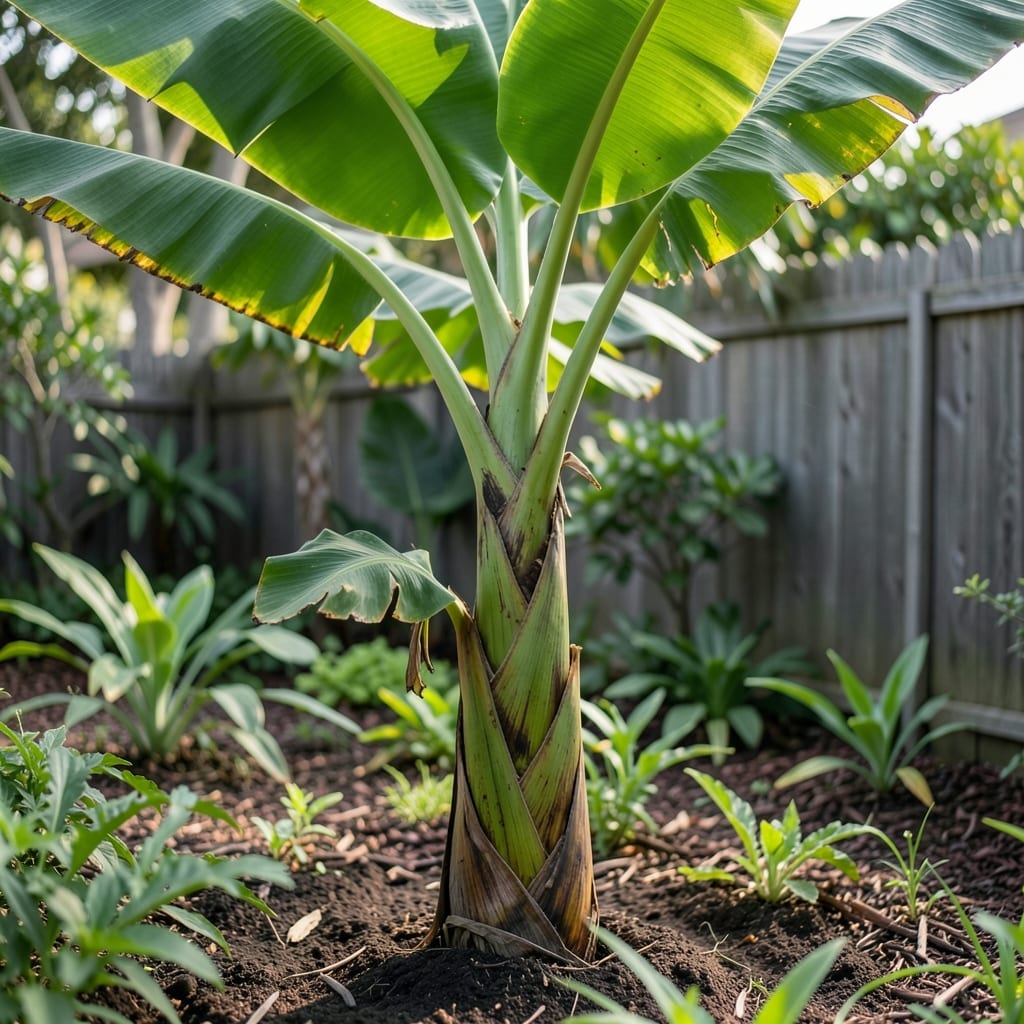
If you’ve ever watched a Banana Tree 🍌 struggle in your yard, sunlight might be the missing piece. These tropical giants need just the right amount of light to thrive, but the balance isn’t always obvious.
Too much sun can scorch their leaves, while too little leaves them weak and fruitless. The sweet spot exists, and I’m here to help you find it for your climate and setup.
Discover how to give your banana plants the ideal light conditions, whether you’re in zone 10-11 or trying your hand in cooler areas. Let’s get it right from the start.

If you want your banana trees to thrive, sunlight is non-negotiable. Most varieties need 6-8 hours of direct sun daily, but the exact amount can vary by type and climate.
Dwarf banana trees, for example, often do well with slightly less light, while Cavendish bananas demand full sun to produce their iconic bunches. Getting this right ensures strong growth and bountiful harvests.
| Variety | Daily Sunlight | Notes |
|---|---|---|
| Dwarf Banana | 5-6 hours | Tolerates partial shade |
| Cavendish | 6-8 hours | Full sun for best fruit |
| Plantain | 8+ hours | Needs intense heat |
| Red Banana | 6-7 hours | Morning sun preferred |
In tropical zones, banana trees can handle full sun year-round, but in hotter inland areas, a bit of afternoon shade can prevent leaf scorch. Morning sunlight is always the most beneficial.
For cooler climates, aim for the maximum sunlight possible. If you’re growing bananas in zone 9 or below, a south-facing wall or greenhouse can help capture extra warmth and light.
I’ve found that container-grown bananas benefit from being moved to follow the sun. A simple rotation every few days ensures even light distribution, which keeps the plant balanced.
If your tree is struggling, check for yellowing leaves or slow growth. These are classic signs of insufficient light. Adjust its position or prune nearby plants blocking the sun.
Remember, young banana plants are more sensitive. Start them in partial shade, then gradually introduce more sun as they mature to avoid shocking their systems.
In my experience, the best results come from consistent light exposure. Even a few days of reduced sunlight can set back growth, so monitor your tree’s position as the seasons change.
Finally, don’t forget that water and sunlight work together. A well-hydrated banana tree can better utilize the light it receives, so keep the soil moist but not waterlogged.
☀️If your banana tree looks lackluster, light deprivation might be the culprit. These tropical plants are sun-worshippers, and without enough light, they’ll show clear distress signals you can’t ignore.
Watch for pale or yellowing leaves, especially on the lower parts of the plant. This is often the first sign of insufficient sunlight, as the tree struggles to produce enough chlorophyll.
Your banana tree may be starved for light if you notice stunted growth, small leaves, or no fruit production. Act quickly to adjust its position or remove shading obstacles.
Another red flag is long, spindly stems with widely spaced leaves. This is the plant’s desperate attempt to reach for more light, a condition called etiolation that weakens its structure.
Check the leaf orientation too. Healthy banana leaves grow upward and outward. If yours are drooping or growing horizontally, it’s a sign they’re not receiving adequate light to support their weight.
For potted banana trees, poor sunlight often leads to uneven growth. One side may appear lush while the other looks sparse. I’ve fixed this by rotating my containers every 2-3 days for balanced exposure.
Don’t overlook flowering failures. If your mature banana tree isn’t producing flower stalks, it’s likely not getting its 6-8 hour daily sun requirement. This is particularly common in cooler climates or shaded urban gardens.
🌿