
Beautiful Plants For Your Interior
Beautiful Plants For Your Interior
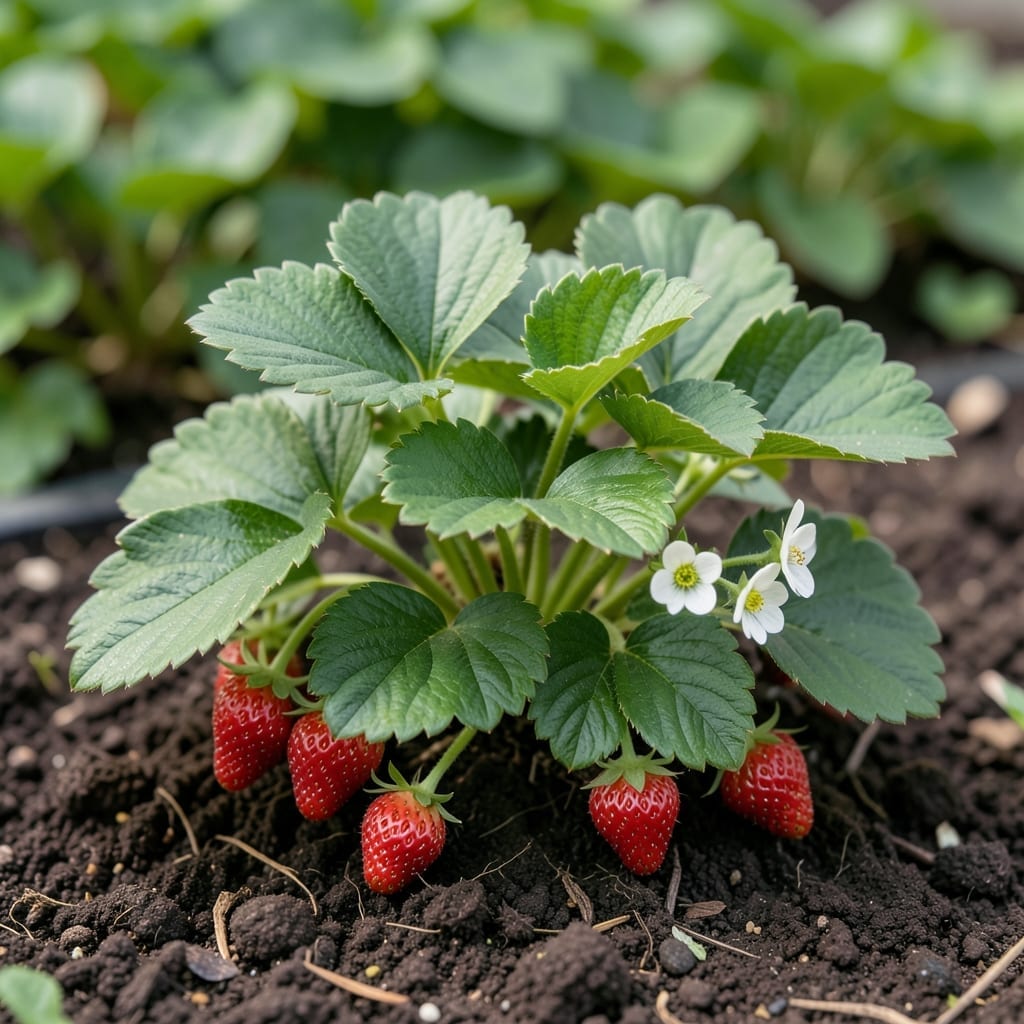
Nothing beats the taste of homegrown 🍓 Strawberry picked at peak ripeness. But getting that perfect sweetness starts with one crucial factor: sunlight. Many gardeners don’t realize how much this simple element affects their harvest.
I’ve seen firsthand how the right light exposure transforms a mediocre Strawberry patch into a thriving, fruit-filled garden. The difference is night and day—literally.
Discover exactly what your Strawberry plants need to produce their best berries yet. Let’s shed some light on this game-changer for your garden.

Getting the sunlight right is crucial for juicy strawberries. Most varieties need full sun to produce their sweetest fruit. I always aim for at least 6-8 hours of direct sunlight daily.
Different strawberry types have slightly varied needs. June-bearing varieties often require the most sun, while day-neutral types can tolerate a bit less. Still, all thrive best with abundant light.
| Variety | Sunlight Needs | Notes |
|---|---|---|
| June-bearing | 6-8+ hours | Largest harvest in June |
| Everbearing | 6-8 hours | Multiple harvests per season |
| Day-neutral | 4-6 hours | Continuous fruiting |
In my experience, morning sun is particularly beneficial. It helps dry the leaves quickly, reducing the risk of fungal diseases. Afternoon sun is also great, but be mindful of intense heat in very hot climates.
For gardeners in cooler regions, maximizing sunlight is key. I recommend planting strawberries in the sunniest spot available. Even a few extra hours can make a noticeable difference in fruit production.
Container gardeners have more flexibility. I’ve successfully grown strawberries on sunny patios and balconies. Just ensure the containers receive adequate light throughout the day.
If your garden has partial shade, don’t worry. Some varieties can still produce, though the yield may be smaller. I’ve found that day-neutral types like ‘Albion’ or ‘Seascape’ perform best in these conditions.
Remember that sunlight needs may change with the seasons. In early spring and late fall, the sun is less intense, so your plants might benefit from every possible hour of light.
I always track the sun’s path across my garden to identify the best spots. A simple observation over a few days can reveal hidden sunny pockets perfect for strawberries.
Finally, don’t forget that consistent sunlight is more important than occasional intense exposure. A steady 6 hours daily will yield better results than sporadic full-day sun.
☀️When your strawberry plants lack sunlight, they send clear distress signals. I notice pale leaves first—healthy ones should be a deep green. Weak, leggy growth is another red flag.
Small or misshapen berries often indicate insufficient light. In my garden, under-sunned plants produce fewer runners and sparse blooms. These are classic signs your strawberries need more sun.
⚠️ Warning: Sunlight Deficiency
Pale leaves, stunted growth, and poor fruiting mean your strawberries need more light. Act fast to relocate or prune nearby shade.
Another telltale sign is slow ripening. Berries may stay green or white longer than usual. I’ve found that even partial shade can delay harvests by weeks in some cases.
Weak strawberry runners struggle to root in shady spots. If your plants aren’t spreading, check their light exposure. I always trim overhanging branches to let more sun reach my patch.
In extreme cases, plants may develop yellowing leaves or fungal issues. Damp, shaded conditions encourage mold. I prioritize air circulation and sunlight to prevent this.
If you spot these signs, don’t panic. I’ve successfully revived under-sunned strawberries by relocating pots or pruning nearby plants. Even small adjustments can make a big difference.
☀️