
Beautiful Plants For Your Interior
Beautiful Plants For Your Interior
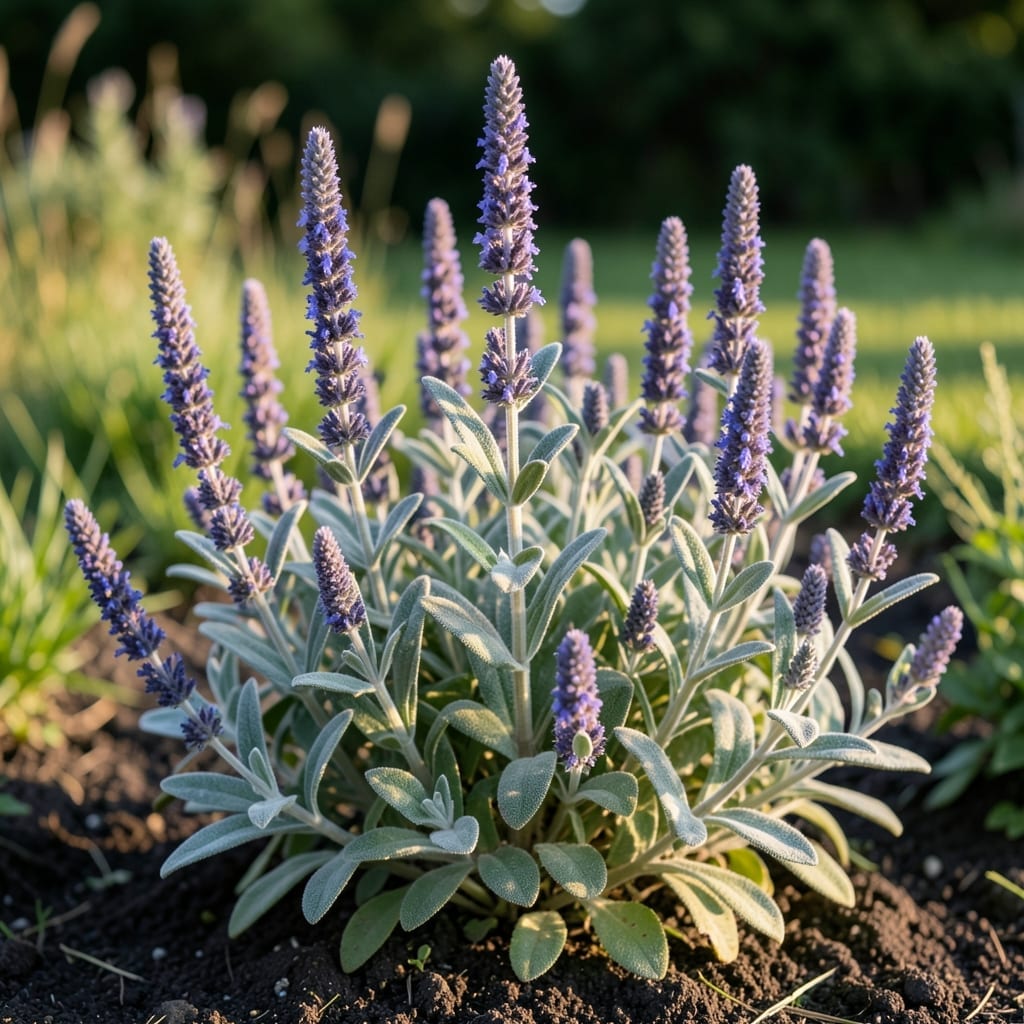
Russian sage thrives in bright conditions, but getting its sunlight needs just right can make the difference between a lackluster shrub and a vibrant, fragrant showstopper in your garden.
The 🌿 Russian Sage isn’t just another pretty plant—it’s a sun-worshipper that demands attention to light. Without enough, you’ll miss out on its signature lavender blooms and intoxicating scent.
I’ve seen firsthand how proper sun transforms this hardy shrub from ordinary to extraordinary. In zones 4-9, it’s all about location and timing to unlock its full potential.
Discover the simple yet crucial sunlight rules that will help your Russian Sage flourish like never before. Let’s get started.

If you’re growing Russian sage, you’ll want to give it plenty of sunlight. This hardy shrub thrives in full sun, meaning it needs at least 6-8 hours of direct sunlight daily to reach its full potential. Without enough light, you might notice fewer blooms and weaker fragrance, which are two of its most prized features. ☀️
I’ve found that morning sun is especially beneficial, as it helps dry any dew on the leaves, reducing the risk of fungal issues. In hotter climates, a bit of afternoon shade can help prevent leaf scorch, but this plant prefers full sun in most regions. The more sunlight it gets, the more vibrant and abundant its lavender-blue flowers will be.
| Requirement | Specification |
|---|---|
| Ideal Sunlight | 6-8+ hours daily |
| Light Type | Direct sunlight |
| Best Window | South-facing |
| Shade Tolerance | Low (partial shade possible) |
In my experience, Russian sage planted in less than 6 hours of sunlight often grows taller and leggier as it stretches for light, but the stems may be weaker. This can lead to flopping, especially after heavy rains. To avoid this, I always recommend placing it in the sunniest spot in your garden. 🌿
Another thing to watch for is leaf color. In full sun, the foliage of Russian sage is a silvery-green, but in shadier spots, it can turn a duller green. The aromatic leaves also lose some of their fragrance without adequate sunlight, which is a shame because that scent is one of the plant’s best features.
If you’re in a region with intense summer heat, like the Southwest, your Russian sage might appreciate a bit of afternoon shade to prevent stress. However, in cooler climates, full sun all day is ideal. I’ve seen Russian sage thrive in USDA zones 4-9, and in all these areas, the key to success is maximizing sunlight.
For gardeners with limited sunny spots, consider planting Russian sage near a south-facing wall or fence, which can reflect additional light. You can also use companion plants like lavender or salvia, which have similar sunlight needs and create a stunning, low-maintenance garden display. ☀️
Remember, well-draining soil is just as important as sunlight. Russian sage hates wet feet, so if your garden has heavy clay soil, amending it with compost or planting in a raised bed can help. When you combine full sun with good drainage, you’ll have a plant that’s both drought-tolerant and long-lived.
If your Russian sage isn’t blooming as much as you’d like, check its light exposure first. It’s amazing how quickly this plant responds to more sunlight—sometimes within just a few weeks, you’ll see an explosion of purple-blue spikes that attract pollinators like bees and butterflies. 🌻
Finally, if you’re growing Russian sage in containers,
While Russian Sage prefers full sun, it can handle partial shade in certain conditions. In hotter climates, a bit of afternoon shade can actually protect it from heat stress.
However, too much shade leads to fewer blooms and leggy growth. I’ve noticed that plants in 4-6 hours of sun still perform decently, but they won’t reach their full potential.
In cooler regions, full sun is non-negotiable. Russian Sage needs that energy to produce its signature lavender-blue blooms and aromatic foliage.
If you’re in USDA zones 4-7, aim for at least 6-8 hours of direct sunlight. Anything less, and you’ll sacrifice both beauty and vigor.
For gardeners in zones 8-9, afternoon shade can be a smart move. The intense heat can scorch leaves, so a little break from the sun helps.
I always recommend observing your garden throughout the day. Track how the light moves and where shadows fall to find the perfect spot for your Russian Sage
☀️