
Beautiful Plants For Your Interior
Beautiful Plants For Your Interior
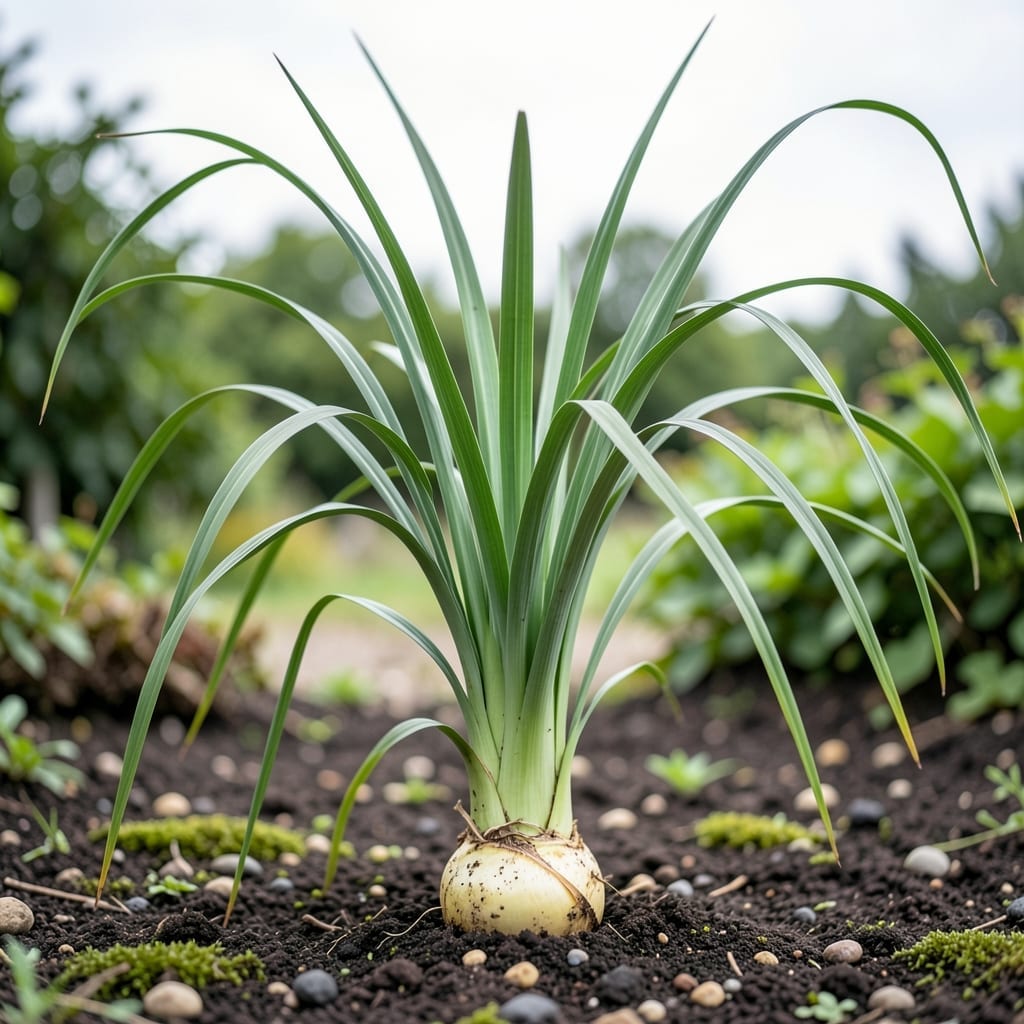
If you’ve ever wondered why your 🌿 Lemongrass isn’t thriving, sunlight might be the missing piece. This tropical plant has specific needs when it comes to light exposure.
Getting the right amount can mean the difference between a healthy, fragrant plant and one that struggles to grow. I’ve seen firsthand how proper sunlight transforms Lemongrass.
Discover the ideal balance that keeps this versatile herb flourishing in your garden. Whether you’re in zones 9-11 or trying your hand at container gardening, the principles remain the same.
Let me walk you through what works best. You’ll be amazed at how quickly your Lemongrass responds to these simple adjustments.

If you want lemongrass to thrive, sunlight is non-negotiable. This tropical plant craves full sun to produce its signature fragrant leaves and robust stalks. Without enough light, it grows leggy and weak, struggling to reach its potential.
In my experience, 6-8 hours of direct sunlight daily is the sweet spot. Anything less, and you’ll notice stunted growth and reduced essential oils, which are key for that bold citrus aroma. In hotter climates, a bit of afternoon shade can prevent scorching.
| Requirement | Specification |
|---|---|
| Ideal Sunlight | Full sun (6-8 hours) |
| Minimum Sunlight | 4-6 hours (partial shade) |
| Best Window Direction | South-facing |
| Light Intensity | Direct sunlight |
I’ve found that morning sun is especially beneficial. It’s gentler on the leaves while still providing the energy needed for photosynthesis. If you’re in a region with intense summer heat, consider dappled shade during the hottest part of the day.
For container-grown lemongrass, place your pots where they’ll get unobstructed sunlight. A balcony or patio with southern exposure works wonders. Just
Partial shade can work, but it’s not ideal. If you must grow lemongrass in lower light, expect slower growth and less potent flavor. The plant may also become more susceptible to pests and diseases.
In cooler climates, maximize sunlight by planting near reflective surfaces like white walls or fences. This can boost light exposure and help maintain optimal temperatures.
Watch for signs of too much sun, like brown leaf tips or wilting. If you notice these, provide temporary shade until the plant recovers. On the flip side, yellowing leaves often signal insufficient light.
For the best results, pair full sun with well-draining soil and consistent watering. Lemongrass is fairly drought-tolerant once established, but it still needs regular moisture to thrive in bright conditions.
If you’re growing lemongrass indoors, a south-facing window is your best bet. Supplement with grow lights if natural light is limited. Aim for 12-14 hours of light daily to mimic outdoor conditions.
Remember, lemongrass is a sun-worshipper. The more light it gets, the healthier and more aromatic it will be. With the right exposure, you’ll be rewarded with lush foliage and abundant stalks ready for harvest.☀️
I’ve found that lemongrass thrives in full sun, but different climates demand adjustments. In hot regions, afternoon shade prevents leaf scorch, while cooler areas need maximum sunlight to boost growth.
For container gardening, move pots to follow the sun or provide shade cloth during peak heat. This flexibility helps optimize light exposure for healthier plants.
Watch for signs of sun stress, like yellowing leaves or wilting. These indicate too much direct light, especially in intense summer heat.
In cooler climates, leggy growth or pale leaves may signal insufficient sunlight. Move plants to sunnier spots or supplement with grow lights.
I always recommend gradual acclimation when moving lemongrass to brighter areas. Sudden changes can shock the plant, leading to poor growth or leaf drop.
For best results, monitor your plant and adjust as needed. Lemongrass is resilient, but the right light balance ensures vibrant, aromatic foliage and strong stalks. ☀️