
Beautiful Plants For Your Interior
Beautiful Plants For Your Interior
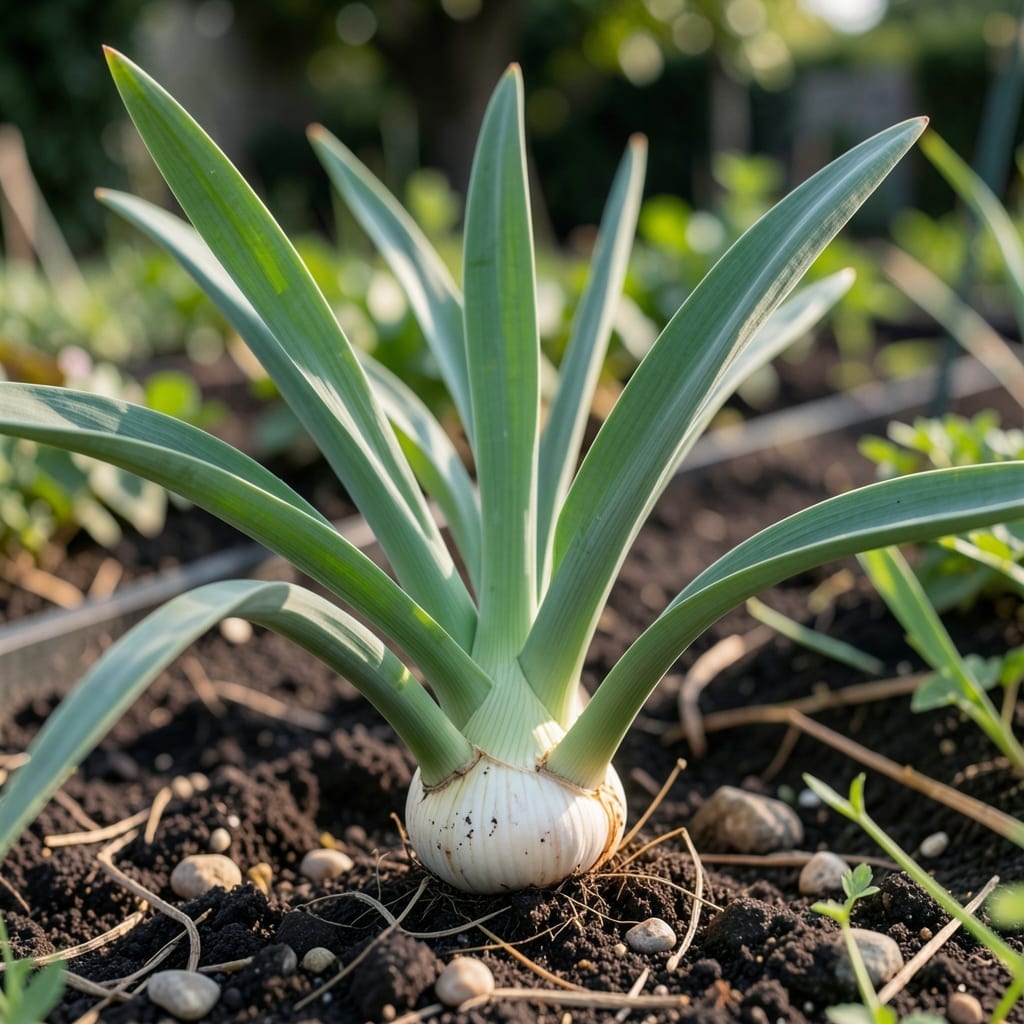
If your 🧄 Garlic isn’t thriving, sunlight might be the culprit. This humble plant has specific needs when it comes to light exposure, and getting it right makes all the difference.
I’ve learned that the right balance transforms small, weak bulbs into plump, flavorful ones. Whether you’re a beginner or seasoned gardener, understanding these needs is the key to success.
Discover how to provide ideal conditions for healthy growth, regardless of your climate or experience level. Let’s dig into what works best.

I’ve found that garlic thrives best with 6-8 hours of direct sunlight daily. This is the sweet spot for developing those plump, flavorful bulbs we all love. Anything less, and you might end up with small, underdeveloped cloves.
Both hardneck and softneck varieties need ample light, but hardnecks often handle slightly less sun. Still, full sun exposure ensures the strongest growth and most robust flavor. Trust me, your harvest will thank you.
| Requirement | Specification |
|---|---|
| Daily Sunlight | 6-8 hours |
| Light Type | Direct sunlight |
| Hardneck Tolerance | Slightly less sun |
| Softneck Tolerance | Needs full sun |
In my experience, morning sunlight is especially beneficial. It helps dry dew from the leaves, reducing the risk of fungal diseases. Aim for a south-facing plot to maximize exposure throughout the day.
If you’re in a particularly hot climate, a bit of afternoon shade can prevent scorching. But remember, garlic is a sun-lover at heart. Shade should be minimal and strategic, not a primary condition.
I’ve noticed that consistent light is just as important as the total hours. Garlic plants that receive patchy sunlight often struggle to form uniform bulbs. So, choose a spot with reliable, uninterrupted light.
For those with limited space, container gardening works well if you can place pots in a sunny location. Just ensure the containers are large enough to accommodate the root system and provide good drainage.
Don’t forget that seasonal changes affect sunlight availability. In early spring or late fall, you might need to supplement with reflective mulches or adjust planting locations to capture every possible ray.
Finally, observe your plants. Healthy garlic in optimal light will have strong, upright leaves and steady growth. If you see signs of stress, like yellowing or weak stems, it might be time to reassess your sunlight setup.
With the right light, you’ll be rewarded with big, bold bulbs that are a joy to harvest ☀️🌱
I’ve seen firsthand how insufficient sunlight can stunt garlic growth. The first red flag is small, underdeveloped bulbs at harvest time. If your cloves look puny, light is often the culprit.
Another telltale sign is yellowing leaves, especially on the lower parts of the plant. This isn’t always a nutrient issue—it’s often your garlic begging for more rays.
✅ Top Sunlight Deficiency Signs
Weak stems that can’t support the plant are another clear indicator. Garlic in low-light conditions often grows tall and leggy but lacks the strength to stand upright.
If you notice slow growth compared to other plants, it’s time to check your sunlight. Garlic should grow steadily, especially in its early stages.
Solutions are simpler than you might think. Try relocating plants to a sunnier spot or using reflective mulches to bounce extra light onto the leaves.
For container gardeners, moving pots to follow the sun works wonders. I’ve had success with this approach in my own shaded garden.
Remember, even partial shade varieties need consistent light. Don’t assume your garlic is fine just because it’s not in complete darkness. Aim for at least 4-6 hours for minimal growth ☀️