
Beautiful Plants For Your Interior
Beautiful Plants For Your Interior
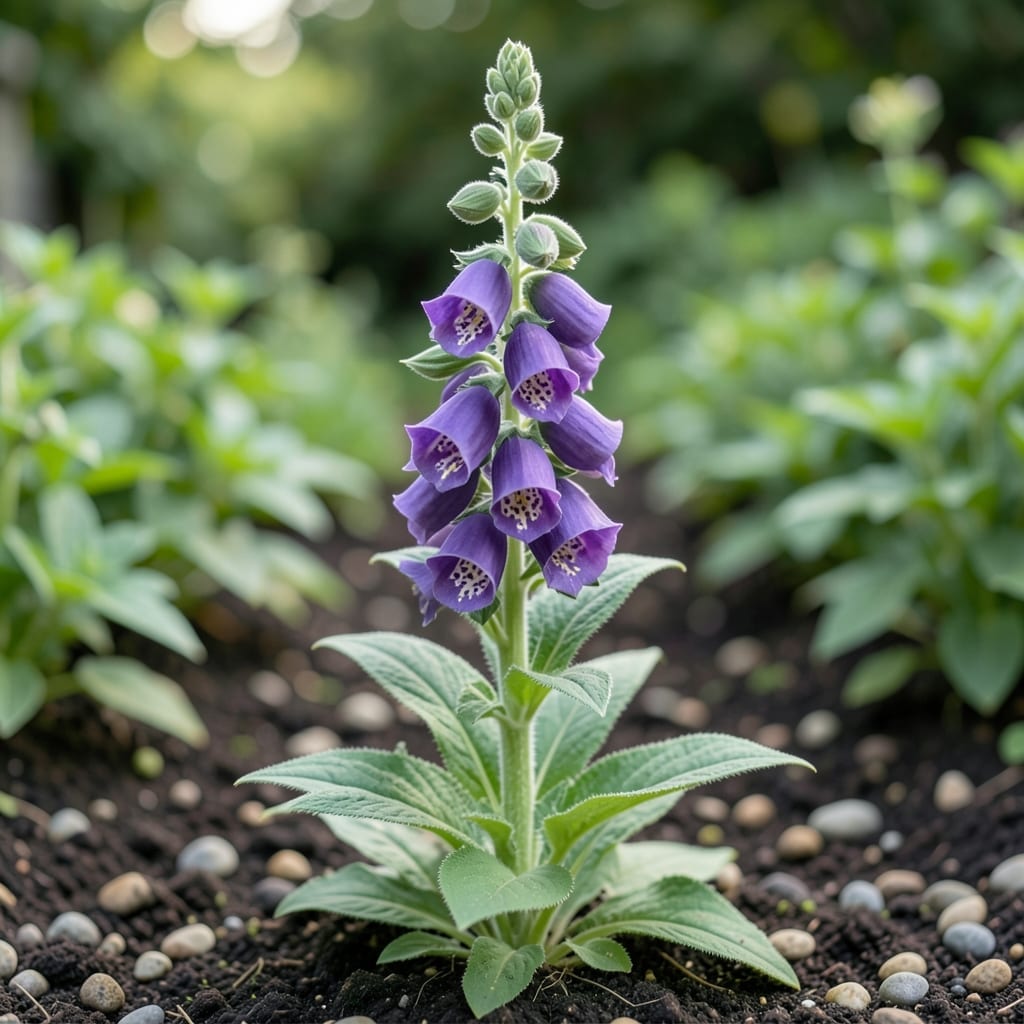
Foxgloves add striking height and bell-shaped blooms to any garden, but their sun requirements often confuse even experienced gardeners. Getting the light conditions right is key to vibrant, healthy plants.
The 🌸 Foxglove thrives in specific conditions that many overlook. Too much direct sunlight can scorch its leaves, while too little may leave you with weak, sparse blooms.
I’ve learned through trial and error that balance is everything. With the right approach, you can enjoy these beautiful plants without the guesswork.
Discover how to provide the ideal light for your Foxglove, ensuring it flourishes in your garden from spring through summer.

If you’re growing foxglove and want those iconic bell-shaped flowers, nailing the sunlight exposure is crucial. These biennials thrive with partial shade, but the specifics matter more than you might think.
In my experience, foxgloves perform best with 4-6 hours of direct sunlight daily. Morning sun is ideal, as it’s gentler than the harsh afternoon rays that can scorch their leaves.
| Requirement | Specification |
| Ideal Sunlight | 4-6 hours daily |
| Best Sun Type | Morning sun |
| Shade Tolerance | High (dappled shade) |
| Afternoon Sun | Avoid in hot climates |
| Bloom Impact | More flowers in partial sun |
Too much full sun can lead to leaf scorch, especially in warmer USDA zones. I’ve seen this firsthand in zone 7 gardens where foxgloves wilted under intense afternoon light.
On the flip side, too much shade results in leggy growth and fewer blooms. The plants stretch toward the light, weakening their stems and reducing their iconic floral display.
For optimal growth, place your foxgloves in a spot with dappled shade or east-facing exposure. This gives them the gentle morning sun they love while protecting them from harsh afternoon heat.
In cooler climates like zone 4 or 5, foxgloves can handle a bit more sun, but I still recommend partial shade for the best results. The key is consistency—avoid sudden changes in light exposure.
If you’re growing foxgloves in containers, move the pots to follow the sun’s path. This ensures they get their daily light quota without overheating. A well-draining soil mix helps too.
Pro tip: Pair foxgloves with companion plants like hostas or ferns. These thrive in similar light conditions and create a lush, layered garden look.
Remember, foxgloves are biennials, so their light needs may shift slightly between the first and second year. First-year plants focus on foliage, while second-year plants prioritize blooms.
☀️I’ve seen many gardeners struggle with foxglove light needs. These plants thrive in partial shade, but too little or too much sun leads to visible stress. Watch for leggy stems or sparse blooms as red flags.
When foxgloves get too much sun, their leaves scorch and turn brown at the edges. In deep shade, they grow tall and weak, producing fewer flowers. Balance is key for healthy growth.
⚠️ Warning: Light Imbalance
Too much sun causes leaf scorch and stunted growth.
Too little sun leads to weak stems and poor flowering.
Move plants to dappled shade if symptoms appear.
If your foxglove looks stretched, it’s likely reaching for light. I recommend moving it to a spot with morning sun and afternoon shade to restore its vigor.
For sun-scorched leaves, increase shade gradually. Use a shade cloth or relocate to a bed with filtered light. This prevents further damage while encouraging recovery.
Yellowing lower leaves often signal poor light. I check the plant’s position and adjust to 4-6 hours of sun daily. This range keeps foxgloves lush and blooming abundantly.
In my experience, east-facing beds work best. They provide gentle morning sunlight and protection from harsh afternoon rays. This setup mimics their natural woodland habitat.
Remember, consistent moisture pairs with proper light for best results. I pair shade adjustments with regular watering to keep foxgloves thriving.