
Beautiful Plants For Your Interior
Beautiful Plants For Your Interior
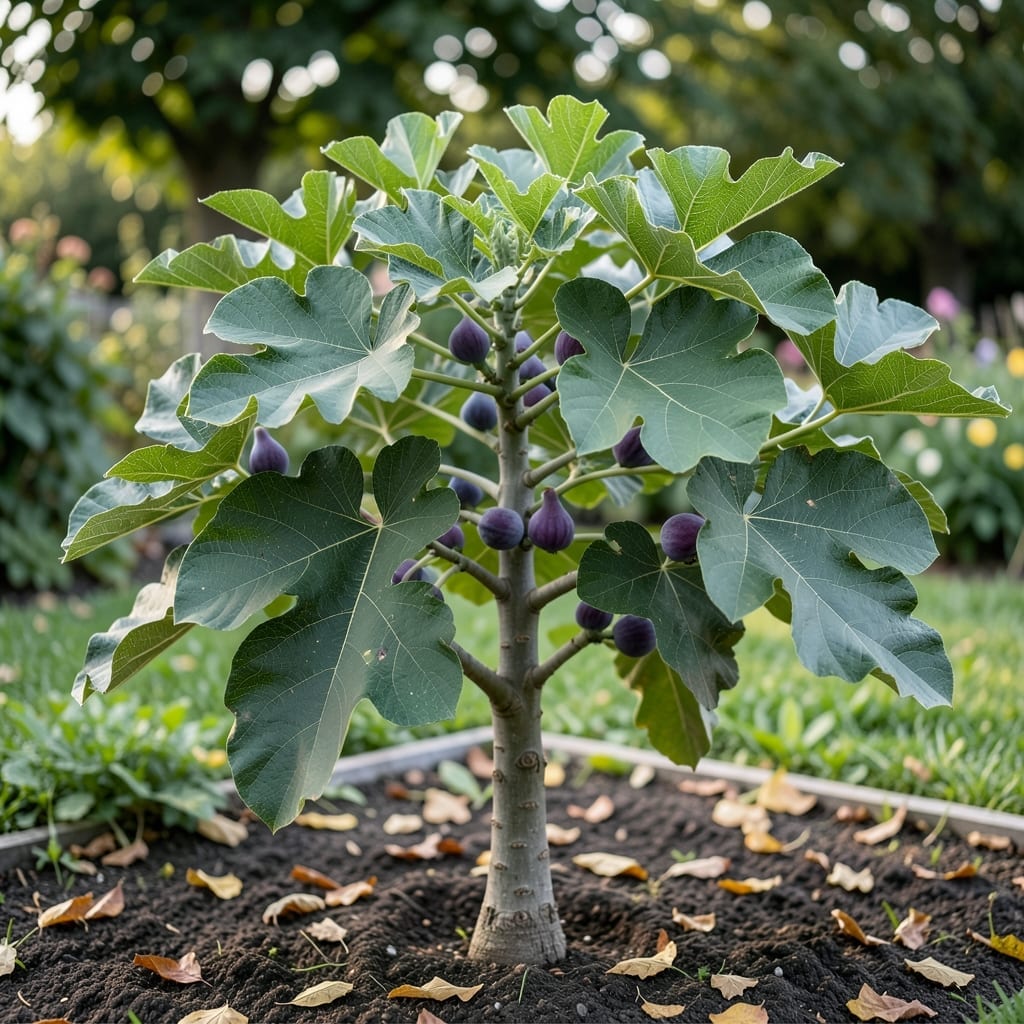
Fig trees can transform your garden, but their performance hinges on one critical factor: sunlight. The 🌳 Fig Tree isn’t just picky—it’s particular about getting just the right amount to thrive.
Too little sun, and you’ll see sparse fruit. Too much, and the leaves may scorch. Finding that sweet spot makes all the difference between a struggling plant and a flourishing one.
Let me show you exactly how to maximize your tree’s potential with the perfect light exposure. It’s easier than you might think.


Fig trees are sun-worshippers by nature, but not all varieties have identical needs. Most fig trees thrive with 6-8 hours of direct sunlight daily. This ensures robust growth and abundant fruit production.
Varieties like Brown Turkey and Celeste do best with full sun, while Chicago Hardy can tolerate slightly less in cooler climates. Climate plays a huge role in how much sun your tree can handle.
| Variety | Sunlight Needs | Climate Suitability |
|---|---|---|
| Brown Turkey | 6-8+ hours | Warm climates |
| Celeste | 6-8 hours | Moderate to warm |
| Chicago Hardy | 4-6 hours | Cooler climates |
In hotter regions like USDA zones 9-10, fig trees can handle more intense sunlight. However, in these areas, afternoon shade can prevent leaf scorch. I always recommend monitoring your tree’s leaves for signs of stress.
For container-grown figs, placement is key. Move pots to follow the sun, ensuring they get at least 6 hours of direct light. South-facing patios or balconies are often ideal spots for maximum exposure.
If you’re in a cooler climate, such as zone 7, prioritize the warmest, sunniest spot in your garden. Reflective mulches can also help direct more light to the tree’s canopy, boosting its growth potential.
Remember, even sun-loving figs need protection from extreme heat. In peak summer, a bit of dappled shade during the hottest part of the day can prevent stress without sacrificing fruit quality.
I’ve found that fig trees planted near south-facing walls benefit from added warmth and light reflection. This setup mimics their native Mediterranean environment, where they thrive in bright, warm conditions.
For newly planted fig trees, gradual sun exposure is best. Start with 4-5 hours of sun daily, then increase as the tree establishes. This prevents transplant shock and encourages strong root development.
Finally, observe your tree’s response to sunlight. Healthy fig trees in optimal light will have vibrant green leaves and steady fruit production. Adjust as needed to find your tree’s perfect balance ☀️
Even with the best intentions, fig trees can struggle if they’re not getting enough light. The first sign I notice is smaller than normal fruit or fruit that never fully ripens. This happens because the tree isn’t photosynthesizing enough to support fruit development.
Another red flag is leggy growth with long, sparse branches. The tree stretches toward the light, resulting in weak, spindly stems. If you see this, it’s a clear signal your fig tree needs more sun exposure to grow strong and compact.
⚠️ Warning: Sunlight Deficiency
Leggy branches, small fruits, and poor fruiting are classic signs your fig tree needs more light. Move it to a sunnier spot or prune nearby obstructions.
Poor fruiting is another common issue. If your tree flowers but doesn’t set fruit, or the figs drop prematurely, insufficient sunlight is often the culprit. Fig trees need ample light to convert flowers into edible fruit.
Yellowing leaves, especially on the lower branches, can also indicate a light deficiency. While this can also point to nutrient issues, if the rest of the tree looks healthy, lack of sun is likely the problem.
To fix this, I recommend relocating potted figs to a sunnier area or trimming back nearby trees or structures that cast shade. For in-ground trees, consider pruning surrounding plants to open up the canopy.
If moving the tree isn’t an option, reflective mulches or light-colored surfaces can help bounce additional light onto the leaves. This simple trick can make a noticeable difference in your tree’s health and productivity 🌳