
Beautiful Plants For Your Interior
Beautiful Plants For Your Interior
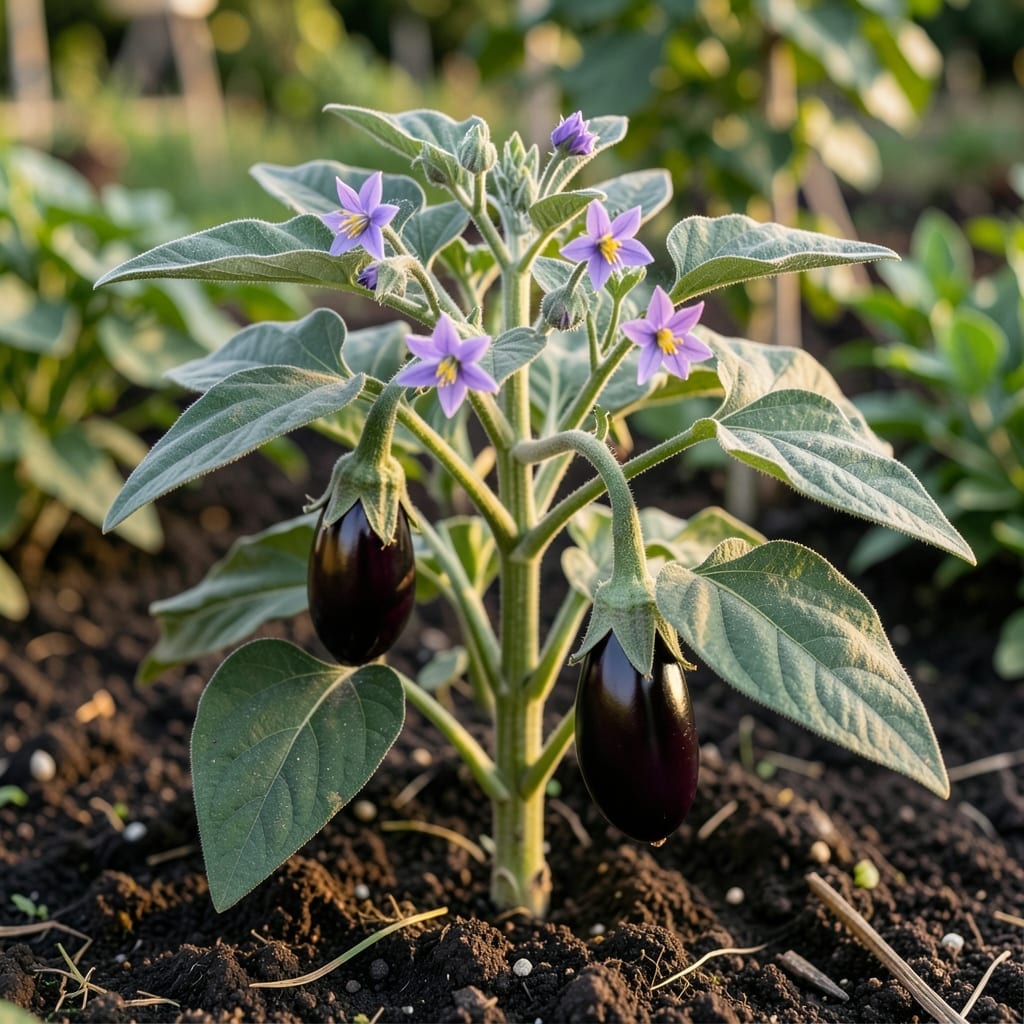
Eggplants 🍆 thrive when they bask in plenty of sunlight, but too little or too much can make or break your harvest. Getting this right means the difference between a bountiful crop and disappointing results.
I’ve seen firsthand how proper sun exposure transforms these plants. Their glossy fruits and sturdy stems depend on it, especially during the spring growing season in zones like 6a.
If you’re wondering how to give your eggplants the best start, understanding their daily light needs is the key. Whether your garden is sun-drenched or partially shaded, there’s a way to make it work.
Let me share exactly what these plants crave and how to spot when they’re not getting enough. You’ll learn how to adjust for your space and set them up for success.

If you want healthy eggplants with abundant fruit, sunlight is non-negotiable. These warm-season vegetables are sun worshippers, thriving when they get the right amount daily.
In my experience, eggplants need a solid 6-8 hours of direct sunlight each day. This ensures strong stems, vibrant foliage, and a bountiful harvest of glossy, firm fruits.
| Requirement | Specification |
|---|---|
| Daily Sun Needs | 6-8 hours of direct sunlight |
| Light Type | Full sun, direct exposure |
| Best Window Direction | South-facing for maximum light |
| Minimum Sun for Fruit | 4-6 hours (but yields reduce) |
Less than 6 hours of sun and you’ll notice weaker growth and fewer fruits. In hot climates, a bit of afternoon shade can prevent scorching, but don’t skimp on morning sun.
I’ve seen eggplants in partial shade struggle to produce. They might grow leaves, but without enough light, flowering and fruiting suffer. If your garden gets dappled sunlight, choose a sunnier spot or use containers.
Morning sunlight is especially valuable because it’s less intense. This helps prevent heat stress while still providing the energy eggplants need for photosynthesis and fruit development.
In cooler regions, aim for the upper end of the range—8 hours or more. The extra warmth boosts growth and shortens the time to harvest. I always prioritize the sunniest spots in my garden for eggplants.
If you’re growing in containers, place them where they’ll get unobstructed sunlight for most of the day. Balconies, patios, or driveways often work well. Just
For those with limited sun, reflective surfaces like white mulch or light-colored walls can help bounce extra light onto plants. It’s not a perfect solution, but every bit of extra light helps.
Finally, monitor your plants closely. If you see yellowing leaves or stunted growth, it might be a sign they’re not getting enough sun. Adjust their position or trim nearby plants to improve light access.
With the right sunlight, your eggplants will reward you with a long, productive season of delicious fruits ☀️🌱
When eggplants don’t get their 6-8 hours of sun, they’ll show visible stress signs. The first thing I notice in my garden is yellowing leaves, particularly on the lower foliage.
Weak stems and leggy growth are other red flags. Your plants may stretch toward the light but produce fewer flowers or small fruits. This happens when they’re not getting enough energy from sunlight.
⚠️ Sun Starvation Alert
Look for pale leaves, slow growth, or no fruit set. Move plants to sunnier spots or use reflective mulches to boost light exposure.
Another common sign is poor fruiting. Even if flowers appear, they may drop off before setting fruit. I’ve seen this in shaded garden corners where my eggplants struggled to thrive.
If your plants are leaning excessively, they’re likely reaching for more light. This is especially true in northern climates with shorter days. Consider container gardening to follow the sun.
Insufficient sun also leads to dull, smaller eggplants. The fruits may lack the glossy skin and deep color that indicate ripeness. I always check for these visual cues in my harvest.
To fix the issue, try pruning nearby plants or relocating containers to sunnier areas. Even a few extra hours of sunlight can make a big difference in your eggplant’s health and yield.☀️