
Beautiful Plants For Your Interior
Beautiful Plants For Your Interior
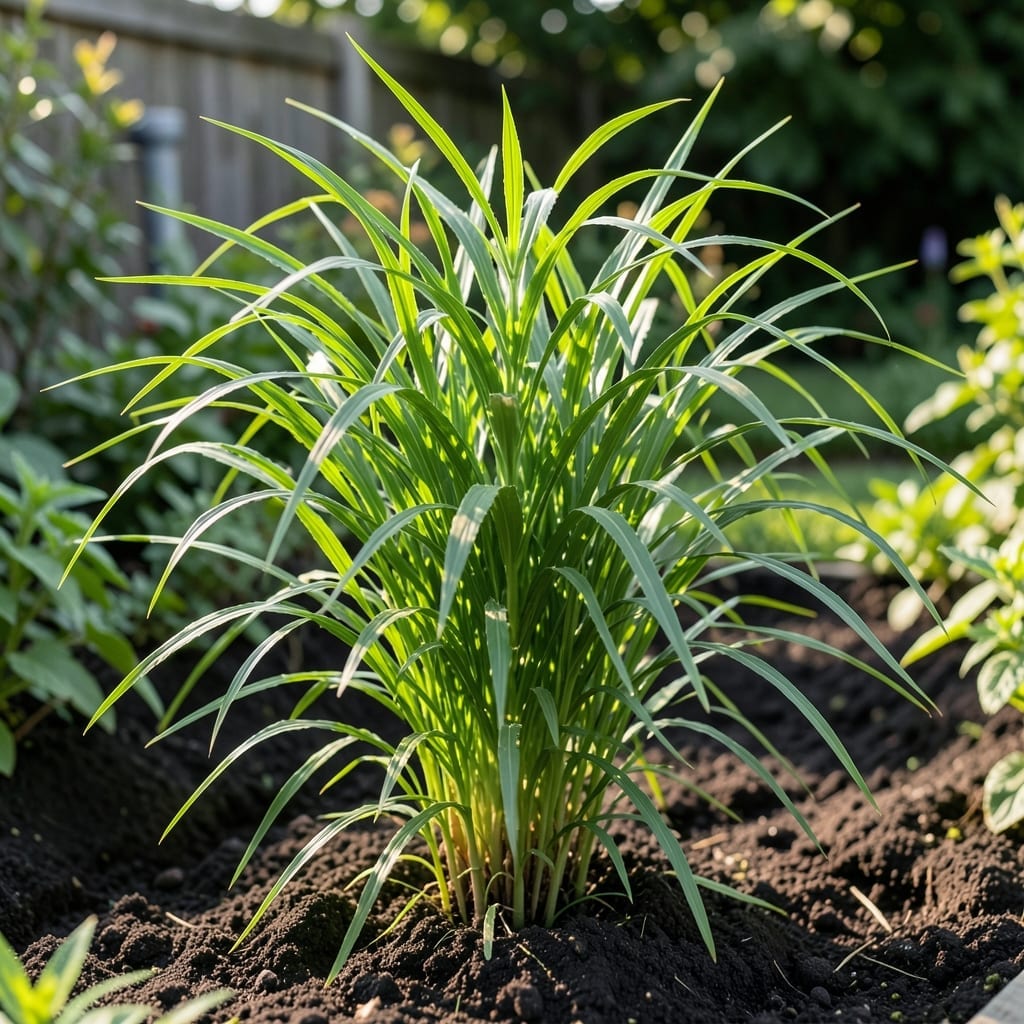
That summer evening buzz ruining your backyard peace? Citronella 🌿 might be your natural solution, but its effectiveness hinges on one critical factor: sunlight.
Get the light exposure wrong, and you’ll end up with weak plants that barely keep mosquitoes away. The right amount of sun transforms Citronella into a powerhouse of bug-repelling oils.
I’ve seen firsthand how proper light turns struggling plants into thriving ones. Whether you’re in zone 9-11 or just starting your garden, this matters.
Discover exactly how to harness sunlight for maximum mosquito protection. Your bug-free evenings depend on it.

I’ve found that citronella plants thrive with consistent, bright light. These mosquito-repelling grasses need plenty of sun to produce the essential oils that keep pests away. Without enough light, they grow weak and lose their potency.
For optimal growth, citronella requires 6 to 8 hours of direct sunlight daily. This ensures robust stems and maximum oil production. In my garden, I prioritize south-facing spots for these plants.
| Requirement | Specification |
|---|---|
| Daily Sunlight | 6-8 hours |
| Light Type | Direct sun |
| Ideal Window | South-facing |
| Shade Tolerance | Low |
If your garden gets less than 6 hours of sun, citronella may still grow, but expect weaker stems and reduced oil content. I’ve noticed plants in partial shade tend to get leggy and sparse, struggling to repel mosquitoes effectively.
In hotter climates, afternoon shade can prevent scorch, but don’t reduce sun below 5 hours daily. Morning sun is ideal, as it’s less intense but still promotes vigorous growth and oil production.
For container gardening, place pots where they’ll get uninterrupted sunlight. I move mine to follow the sun’s path, ensuring they meet the 6-hour minimum. This keeps the plants compact and fragrant.
Remember, citronella’s effectiveness as a mosquito repellent is directly tied to its sun exposure. The more sun it gets, the stronger its scent and the better it performs in your garden.
If you’re in a region with intense heat, monitor soil moisture closely. Full sun can dry out the soil quickly, but don’t overwater—citronella prefers well-draining conditions to avoid root rot.
Seasonal adjustments matter too. In early spring or late fall, when days are shorter, supplement with grow lights if needed. I’ve used this trick to extend the growing season for my citronella.
Finally, observe your plants. Healthy citronella in proper light will have dark green leaves and a strong citrus scent. If the leaves turn pale or the scent fades, it’s a sign to increase sun exposure.
☀️When citronella plants lack proper sunlight, they send clear distress signals. I’ve seen leggy stems stretching toward any light source, a sure sign they’re starving for more sun. The plants become sparse and weak, struggling to stand upright.
Another red flag is pale or yellowing leaves. Healthy citronella should have deep green foliage with a strong citrus aroma. If the scent fades or the leaves look washed out, it’s time to reassess your light conditions.
⚠️ Warning: Citronella with insufficient sun produces less repellent oil, making it far less effective against mosquitoes. Don’t let weak growth compromise your bug-free garden.
Slow growth is another indicator. While citronella typically reaches 2-6 feet tall, sun-deprived plants may stay stunted. I noticed my shaded plants grew just half the size of those in full sun.
Weak stems that flop over easily are a common problem too. Without adequate light, the plant can’t develop the strong structure needed to support its height. This makes them more susceptible to wind damage.
Check the oil production by crushing a leaf. If the citrus scent is faint, your plant isn’t getting enough sun. The essential oils that repel mosquitoes are directly tied to sunlight exposure.
Finally, watch for uneven growth. Plants may lean toward the light source or develop patchy foliage. In my experience, rotating container-grown citronella helps, but nothing beats proper sun placement.
🌿