
Beautiful Plants For Your Interior
Beautiful Plants For Your Interior
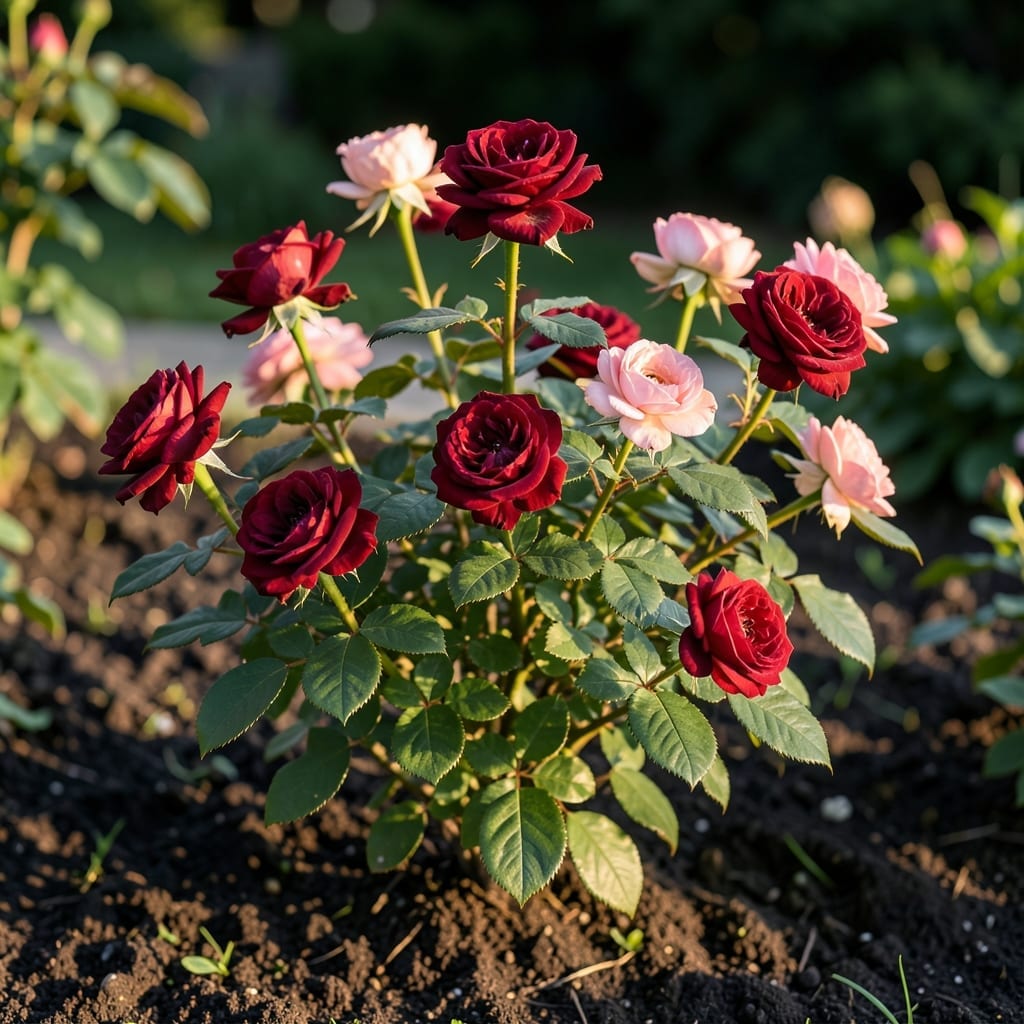
Roses thrive on sunlight, but too little or too much can spell disaster for your 🌹 Rose Bush blooms. It’s a delicate balance that many gardeners struggle to get right.
Understanding the perfect sun exposure is the secret to lush, vibrant roses year after year. Whether you’re a beginner or seasoned gardener, this guide will help you master the art of sunlight management.
Discover how to give your roses exactly what they need to flourish, without the guesswork. Let’s get started.

I’ve found that most rose bushes need at least 6 hours of direct sunlight daily to thrive. This is the golden rule for healthy growth and abundant blooms in your garden.
However, not all roses have identical needs. Different varieties have specific requirements that can impact their performance and flower production significantly.
| Rose Type | Minimum Sun | Optimal Sun | Seasonal Adjustments |
|---|---|---|---|
| Hybrid Teas | 6 hours | 8+ hours | More in spring |
| Climbing Roses | 5 hours | 7-8 hours | Evening shade OK |
| Shrub Roses | 4-6 hours | 6+ hours | Tolerates partial shade |
| Old Garden Roses | 5 hours | 6-7 hours | Morning sun best |
Hybrid tea roses demand the most sunlight, needing 8+ hours daily for their iconic large blooms. I always place mine where they can soak up that extra afternoon sun.
Climbing roses are slightly more flexible, thriving with 7-8 hours but can manage with 5. They’re great for east-facing walls that get morning sun but afternoon shade.
Shrub roses are the most adaptable, doing well with 4-6 minimum hours. This makes them perfect for gardeners with partially shaded yards.
Old garden roses prefer 6-7 hours but benefit most from morning sunlight. I’ve noticed they produce more fragrant blooms with this exposure.
In my experience, morning sun is always better than afternoon sun for roses. It’s gentler and helps dry dew from leaves, reducing disease risk.
For hot climates, I recommend providing afternoon shade for all rose types. This prevents heat stress while still meeting their light requirements.
Remember, these are guidelines. Your specific microclimate and soil conditions can affect how much sun your roses actually need. ☀️
I notice weak, spindly stems first when my roses aren’t getting enough light. These thin stems struggle to support blooms and often flop over, which is a clear cry for more sunlight.
Another red flag is fewer flowers than expected. Roses need adequate sun to produce their signature blooms, and shaded plants often disappoint with sparse flowering.
For pale leaves, I move my roses to a sunnier spot gradually to avoid shock. Sudden changes can stress the plant further, so I do this over a week.
Small blooms often improve with better light. I’ve seen dramatic differences in flower size when moving roses from partial to full sun locations.
If your rose is leaning toward light, it’s time to relocate. I use a south-facing spot for best results, ensuring at least 6-8 hours of direct sunlight daily.
Remember, these symptoms can also indicate other issues like poor soil or water problems. Always check your sun exposure first—it’s the easiest factor to adjust. ☀️