
Beautiful Plants For Your Interior
Beautiful Plants For Your Interior
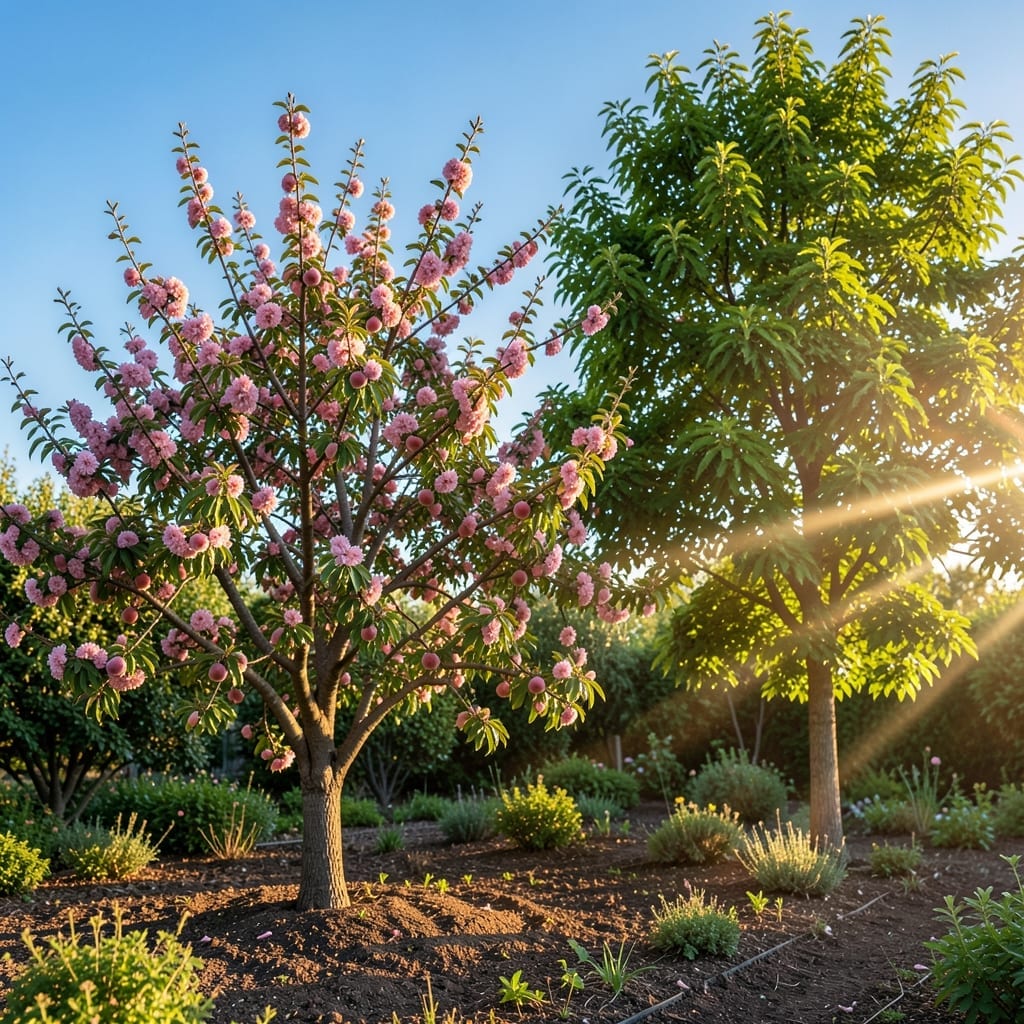
Nothing beats the taste of homegrown peaches, but your 🍑 Peach Tree won’t deliver without the right light. I’ve seen firsthand how sunlight transforms a struggling tree into a fruit-bearing beauty.
Getting this wrong means small, bland fruit or even no harvest at all. The difference between a mediocre tree and an abundant one often comes down to just a few hours of sun.
Discover the simple sunlight secrets that will turn your Peach Tree into the star of your garden this season and beyond.


If you want sweet, juicy peaches, your tree needs plenty of light. I’ve learned that peach trees thrive in full sun, but the exact needs change as they grow. Getting this right ensures healthy fruit production every season.
From young seedlings to mature trees, sunlight is non-negotiable. Even a few hours less can mean smaller fruit or poor yields. Let’s break it down by stage so you can give your tree the best start.
| Growth Stage | Sunlight Needs | Key Notes |
|---|---|---|
| Seedling | 6-8 hours daily | Needs bright, direct light to establish strong roots. |
| Young Tree (1-2 years) | 6-8 hours daily | Ensure unfiltered sun for robust growth and branching. |
| Mature Tree (3+ years) | 8+ hours daily | Full sun is critical for maximum fruit production and sweetness. |
| Dwarf Varieties | 6-8 hours daily | Can tolerate partial shade but fruit quality may suffer. |
| Container-Grown | 6-8 hours daily | Rotate pots to ensure even light exposure on all sides. |
For seedlings and young trees, aim for a minimum of 6 hours of direct sunlight daily. This helps them develop strong stems and healthy foliage. Without enough light, they’ll grow leggy and weak.
Once your peach tree matures, it’s even more critical. I’ve seen mature trees in full sun produce three times the fruit of those in partial shade. 8+ hours of sunlight ensures optimal sugar development in the fruit.
Dwarf peach trees are a bit more flexible. They can handle 6 hours of sun, but don’t expect the same abundant harvests as their full-sized counterparts. If you’re growing in containers, place them where they’ll get the most light.
Regional differences matter too. In hotter climates like USDA zones 8-9, afternoon shade can prevent leaf scorch. But in cooler zones, every bit of sun counts. I always recommend south-facing spots for the best results.
Seasonal changes also play a role. In early spring, young leaves are tender and can get sunburned. A little dappled shade during the hottest part of the day can help. By summer, your tree should be in full sun to ripen fruit properly.
If your garden has limited sunlight, consider reflective mulches or light-colored surfaces to bounce extra light onto your tree. Every little bit helps when you’re aiming for perfect peaches.
Remember, consistent sunlight is key. A tree that gets morning sun but is shaded in the afternoon won’t perform as well as one with all-day exposure. Monitor your tree’s position and adjust as needed.
With the right light, your peach tree will reward you with years of delicious harvests. It’s one of the simplest yet most impactful ways to ensure success.
☀️Even with the best intentions, your peach tree might not be getting the light it needs. I’ve seen stunted growth and poor fruiting when trees are in the wrong spot. Recognizing the signs early can save your harvest.
Whether it’s too little sunlight or too much, your tree will show stress in different ways. Catching these clues helps you adjust before permanent damage occurs.
When a peach tree lacks sunlight, the first sign is often slow growth. The leaves may turn pale yellow and drop prematurely. I’ve noticed that trees in shady spots produce fewer blossoms, which means fewer peaches.
On the other end, too much direct sun can cause leaf scorch. Look for brown, crispy edges on leaves, especially during heatwaves. Young trees are particularly vulnerable to sunburn on bark, which appears as dry, cracked patches.
Another red flag is poor fruit quality. Peaches grown in insufficient light tend to be smaller and less sweet. If your tree sets fruit but it never ripens properly, it might need more sun exposure.
To fix these issues, I recommend relocating potted trees to sunnier spots or pruning nearby plants that cast shade. For sunburned bark, wrap the trunk with tree guard or light-colored cloth to reflect heat.