
Beautiful Plants For Your Interior
Beautiful Plants For Your Interior
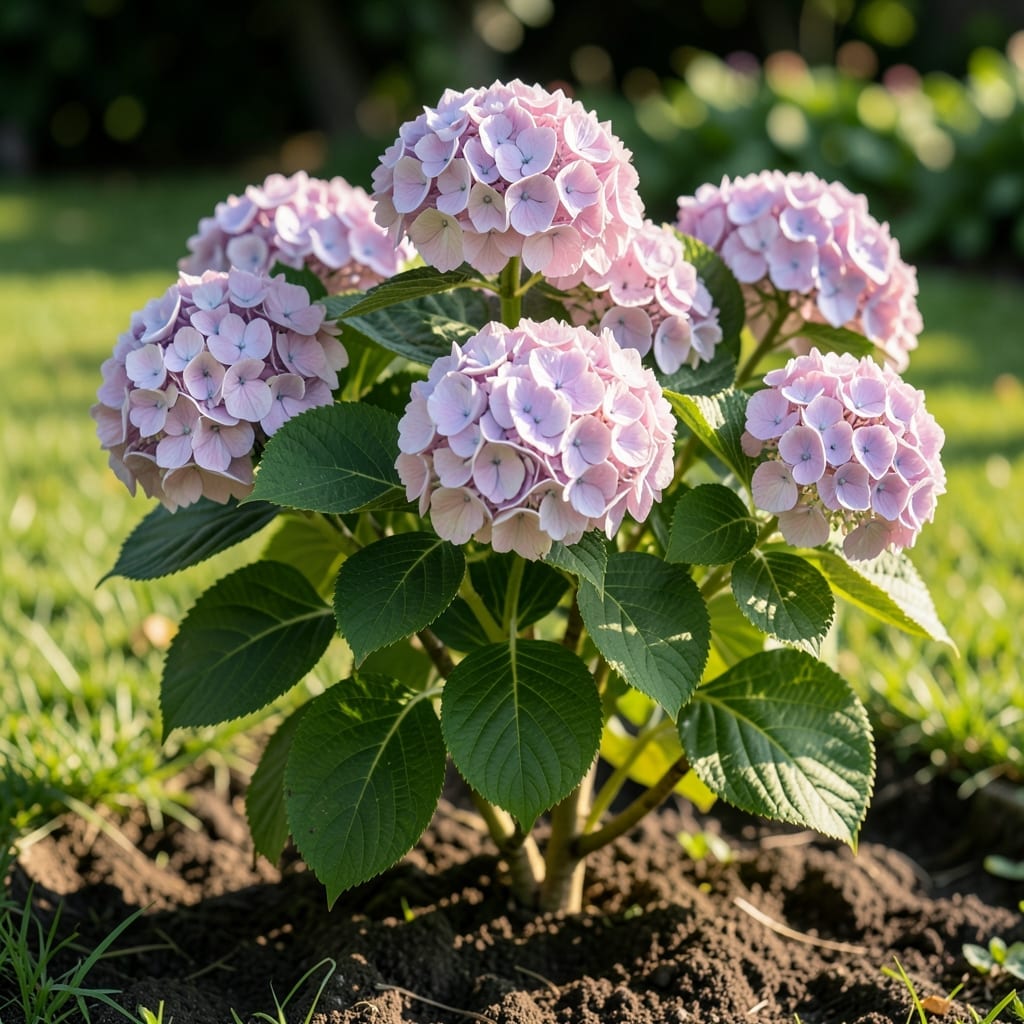
Hydrangeas can transform any garden with their lush blooms, but getting their sunlight requirements right is the key to vibrant, healthy plants.
Too much or too little sun can mean the difference between thriving and struggling for your 🌸 Hydrangea. The good news? With a few simple adjustments, you can create the perfect light conditions.
Discover how to balance morning and afternoon exposure for your specific variety. Let’s make your garden the envy of the neighborhood.

Getting the sunlight right is crucial for vibrant hydrangea blooms. Different varieties have unique needs, from full sun to partial shade. I’ve found that matching your plant’s sun tolerance to your garden’s conditions makes all the difference.
Bigleaf hydrangeas prefer morning sun and afternoon shade, while panicle types can handle more direct light. Knowing these nuances helps you maximize bloom potential and plant health.
| Variety | Ideal Sun Exposure | Notes |
|---|---|---|
| Bigleaf | 4-6 hours morning sun | Afternoon shade prevents wilting |
| Panicle | 6-8 hours full sun | Most sun-tolerant variety |
| Oakleaf | 4-6 hours dappled sun | Thrives in shady woodland areas |
| Smooth | 5-7 hours mixed sun | Tolerates partial shade well |
In my experience, bigleaf hydrangeas are the most sensitive to afternoon heat. Their leaves can scorch if exposed to harsh sun for too long. I always recommend east-facing locations for these varieties to give them gentle morning light.
Panicle hydrangeas, on the other hand, are the sun champions of the hydrangea family. They can handle full sun in cooler climates and still produce stunning blooms. I’ve seen them thrive in spots where other hydrangeas would wilt.
For oakleaf hydrangeas, I love using them in wooded areas or under tall trees. Their natural habitat is shady forests, so they’re perfectly adapted to filtered light. This makes them ideal for gardens with lots of trees.
Smooth hydrangeas are the most versatile in my garden. They do well with morning sun and afternoon shade, but can also tolerate more sun than bigleaf varieties. I often plant them in spots that get dappled sunlight throughout the day.
Remember, these are general guidelines. Your specific climate and microclimates in your garden can affect how much sun your hydrangeas need. In hotter regions, even sun-loving varieties might need some afternoon protection.
I always tell fellow gardeners to observe their plants. If you notice leaf scorch or wilting, it might be getting too much sun. Yellowing leaves could indicate it’s not getting enough light. Adjusting the exposure can bring your hydrangeas back to their vibrant best.
With the right sunlight, your hydrangeas will reward you with lush growth and spectacular blooms that’ll be the talk of the neighborhood 🌸
I’ve noticed that hydrangeas thrive with the right balance of morning and afternoon sunlight. The timing of exposure can dramatically affect their health and bloom quality. Morning sun tends to be gentler and cooler, while afternoon sun can be harsh and intense.
Most hydrangea varieties prefer morning sun because it provides the light they need without the scorching heat of midday rays. This is especially true for bigleaf and oakleaf types, which can suffer from leaf scorch in hot afternoon sun.
| Light Type | Best For | Impact on Hydrangeas |
|---|---|---|
| Morning Sun | All varieties | Promotes blooming without stress |
| Afternoon Sun | Panicle only | Risk of wilting for sensitive types |
| Dappled Shade | Oakleaf, Smooth | Ideal for heat sensitive varieties |
In my garden, I always prioritize morning sun for my hydrangeas. The gentle rays help them photosynthesize effectively while preventing heat stress. I’ve found that even my panicle hydrangeas, which tolerate more sun, do better with morning exposure.
For gardeners in hotter climates, I recommend providing afternoon shade for all hydrangea types. The intense sun can bleach the flowers and cause premature wilting. A simple shade cloth can work wonders in these cases.
Cooler regions might allow for more afternoon sun, but I still suggest monitoring your plants closely. The angle of the sun changes with the seasons, so what works in spring might need adjustment in summer.
Remember, the key to success is observation. If your hydrangeas look stressed or tired in the afternoon, they’re likely getting too much sun. Adjust their exposure and watch them bounce back to life with vibrant blooms 🌸