
Beautiful Plants For Your Interior
Beautiful Plants For Your Interior
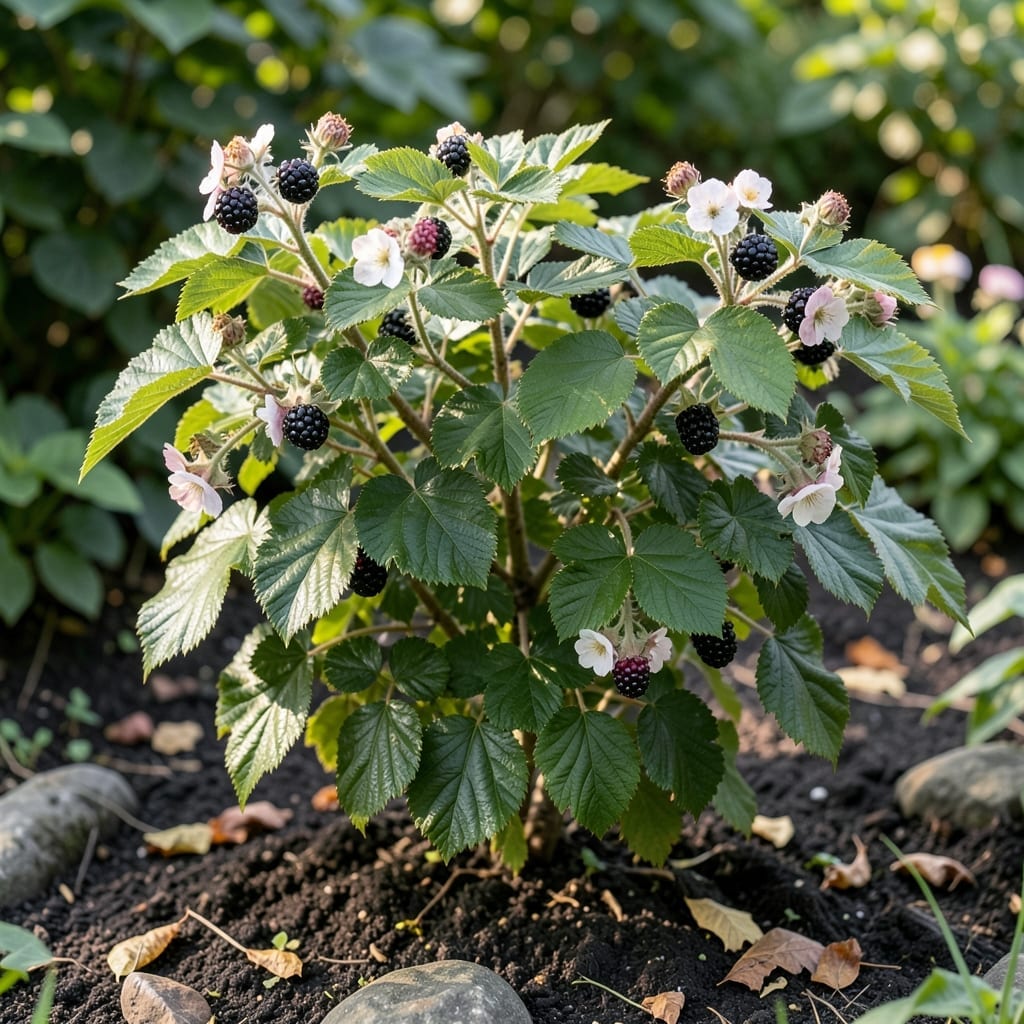
I remember the first time I planted Blackberry bushes and watched them struggle with too little light. The difference when they got the right amount was like night and day.
Getting the sunlight balance just right is the key to plump, sweet berries. Too little, and your plants will produce sparse, tart fruit. Too much, and they might scorch in intense heat.
Whether you’re in zones 5-9 or just starting out, understanding light needs sets you up for success. I’ll show you how to give your Blackberry bushes exactly what they crave.
Discover the simple adjustments that can transform your harvest from disappointing to delightful. Let’s get started.

If you’re growing blackberry bushes, sunlight is non-negotiable. Most varieties need 6-8 hours of direct sun daily to produce sweet, juicy fruit. Without enough light, you’ll see smaller berries and weaker growth. I’ve tested this in my own garden, and the difference is night and day.
Erect, trailing, and semi-erect blackberry varieties all share this need, but regional climate plays a role. In hotter zones like USDA 8-9, afternoon shade can prevent sunburn on fruit, while cooler areas like USDA 5-6 demand maximum exposure.
| Variety | Sunlight Needs | Climate Adjustments |
|---|---|---|
| Erect (e.g., Natchez) | 6-8 hours direct sun | Afternoon shade in zone 9+ |
| Trailing (e.g., Marion) | 7-8 hours direct sun | Full sun in cooler climates |
| Semi-Erect (e.g., Triple Crown) | 6-7 hours direct sun | Dappled shade in hot afternoons |
In my experience, morning sun is the most valuable. It dries dew quickly, reducing fungal disease risk like powdery mildew. If your garden gets shade from trees, plant bushes on the east side for early light.
For container-grown blackberries, the rules change slightly. They still need full sun, but pots can overheat. I use light-colored containers and move them to shade during heatwaves above 90°F. This prevents root stress while maintaining light exposure.
If you’re in a urban garden with limited sun, choose semi-erect varieties like Chester. They tolerate partial shade better, though fruit production drops by 30-40%. I’ve seen this firsthand—my shaded Chester bushes produce fewer berries, but they’re still tasty.
Don’t forget about seasonal changes. In spring and fall, the sun is lower, so bushes may need supplemental light. I use reflective mulches like aluminum foil to bounce extra light onto lower canes. It’s a simple trick that boosts growth.
For those in very hot climates, like Arizona or Texas, dappled afternoon shade is a lifesaver. My blackberries in zone 8 wilted until I added a shade cloth from 2-5 PM. The result? Bigger, sweeter berries without sunburn.
Finally, monitor your plants. If leaves appear pale or yellow, it might be too much sun. If stems are long and leggy, they’re not getting enough. Adjust accordingly—I check mine weekly during peak summer.
With the right balance, your blackberry bushes will reward you with abundant harvests for years to come ☀️
If your blackberry bush isn’t thriving, sunlight might be the culprit. Look for small, tart berries or sparse foliage—classic signs of insufficient light. These plants need energy to produce sweet, plump fruit.
Slow growth and weak canes are other red flags. Without adequate sun, your bush can’t photosynthesize effectively, leading to stunted development. Even yellowing leaves can indicate light deprivation in some cases.
⚠️ Warning: Insufficient Sunlight
Small fruit, sparse leaves, and slow growth mean your blackberry bush needs more light. Aim for 6-8 hours daily for best results.
Another telltale sign is fewer flowers. Blackberries produce blooms in spring, and without enough sun, you’ll see reduced flowering, which directly impacts your harvest. Check the base of the plant for shaded areas.
If you notice long, leggy stems with wide gaps between leaves, your bush is stretching toward the light. This is a survival mechanism, but it weakens the plant. Prune to redirect energy to fruit production.
In extreme cases, no fruit at all may appear. This is a clear signal that your bush isn’t getting its minimum light needs. Consider relocating it or trimming nearby plants that cast shadows.
I’ve seen bushes transform within weeks after moving them to a sunnier spot. Don’t underestimate the power of full sun exposure for a healthy, productive blackberry patch. ☀️