
Beautiful Plants For Your Interior
Beautiful Plants For Your Interior
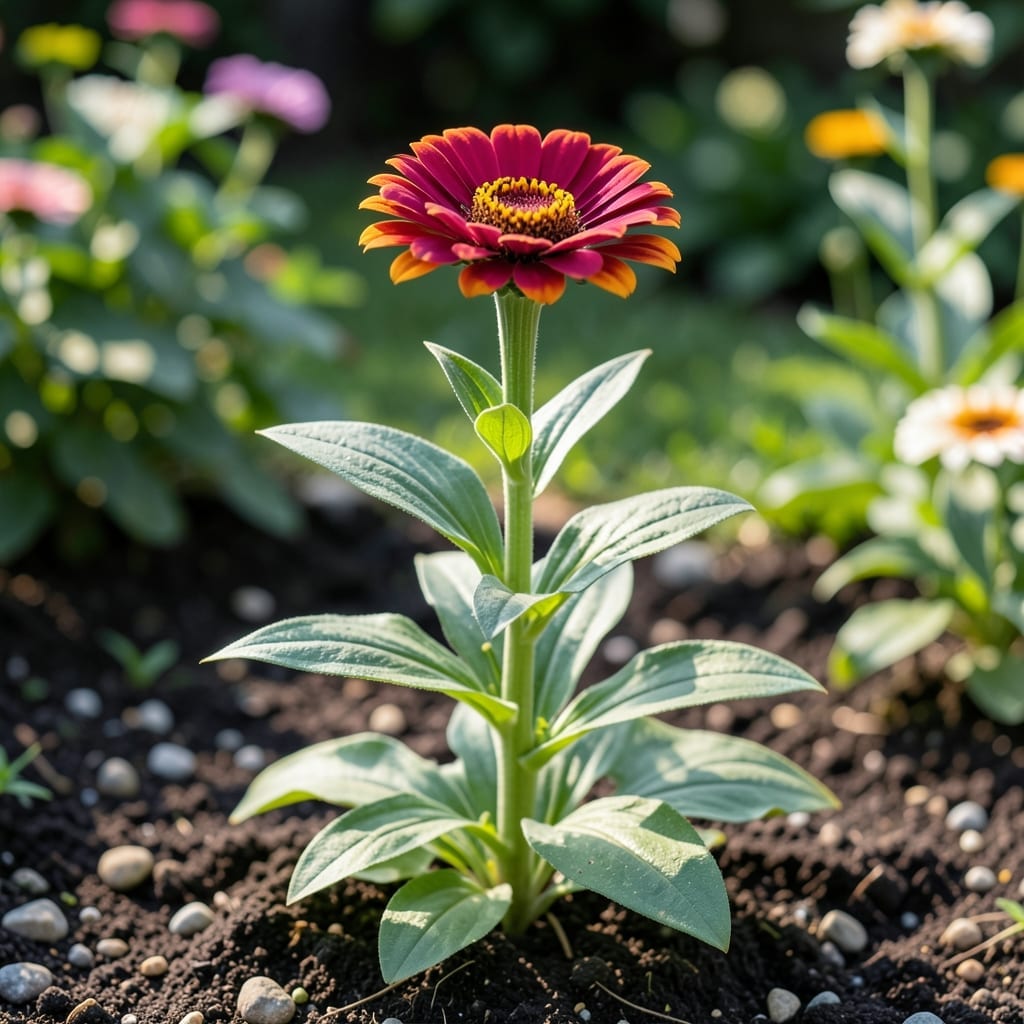
Zinnias are a gardener’s dream with their vibrant blooms, but many struggle to get the sunlight balance right. The 🌼 Zinnia thrives when given the proper light exposure, and it’s simpler than you might think.
Understanding their sun needs can transform your garden from dull to dazzling. I’ve seen firsthand how the right amount of light brings out the most stunning colors in these flowers.
Discover exactly what these beauty queens require to flourish and how to provide it. Your Zinnias will thank you with an explosion of color.

If you want your Zinnias to thrive, sunlight is non-negotiable. These vibrant flowers are full-sun lovers, meaning they need plenty of direct light daily to reach their full potential.
In my experience, 6-8 hours of direct sunlight is the sweet spot for most Zinnia varieties. Anything less, and you risk weak stems and sparse blooms. ☀️
| Requirement | Specification |
|---|---|
| Sunlight Needs | 6-8 hours daily |
| Light Type | Direct sun |
| Best Window | South-facing |
| Shade Tolerance | Low |
Without enough sun exposure, Zinnias can become leggy and produce fewer flowers. I’ve seen gardens where Zinnias in shady spots barely bloom compared to their sun-drenched counterparts.
For best results, plant your Zinnias in the sunniest spot in your garden. A south-facing location is ideal, but west-facing works too if it gets those crucial afternoon rays.
If you’re growing dwarf Zinnias, they can tolerate slightly less sun but still need at least 6 hours to thrive. The taller varieties are even more demanding.
Morning sun is particularly important as it helps dry the dew from the leaves, reducing the risk of fungal diseases. This is one reason why Zinnias do so well in full sun.
Remember, sunlight intensity matters too. In very hot climates, some afternoon shade can prevent scorching, but this is the exception rather than the rule.
I always recommend starting your Zinnias in full sun and only adjusting if you notice signs of stress like wilting or leaf scorch. Most of the time, they’ll reward you with abundant blooms. 🌼
Don’t forget that container-grown Zinnias can be moved to follow the sun throughout the day, which is a great solution for balconies or patios with limited sunlight.
In my garden, the Zinnias that get the most sun always outperform those in partially shaded areas. It’s a difference you can see and feel in the vibrancy of the blooms.
While Zinnias thrive in full sun, they can survive in partial shade with some compromises. I’ve tested this myself and found the results quite telling.
In partial shade (about 4-6 hours of sun), Zinnias may grow taller but produce fewer flowers and weaker stems. The blooms often appear smaller and less vibrant. ☀️
Dwarf varieties like ‘Thumbelina’ or ‘Crystal’ series may handle partial shade better than taller types. These compact plants are bred for versatility.
If you must plant in shade, choose the brightest spot available and ensure well-draining soil. Morning sun is crucial as it dries dew quickly, reducing disease risk.
In my garden, Zinnias in partial shade always lag behind their sun-loving cousins. The difference in flower production and stem strength is noticeable by mid-summer.
For best results in shady areas, consider companion planting with taller plants that can provide dappled light rather than deep shade. 🌿