
Beautiful Plants For Your Interior
Beautiful Plants For Your Interior
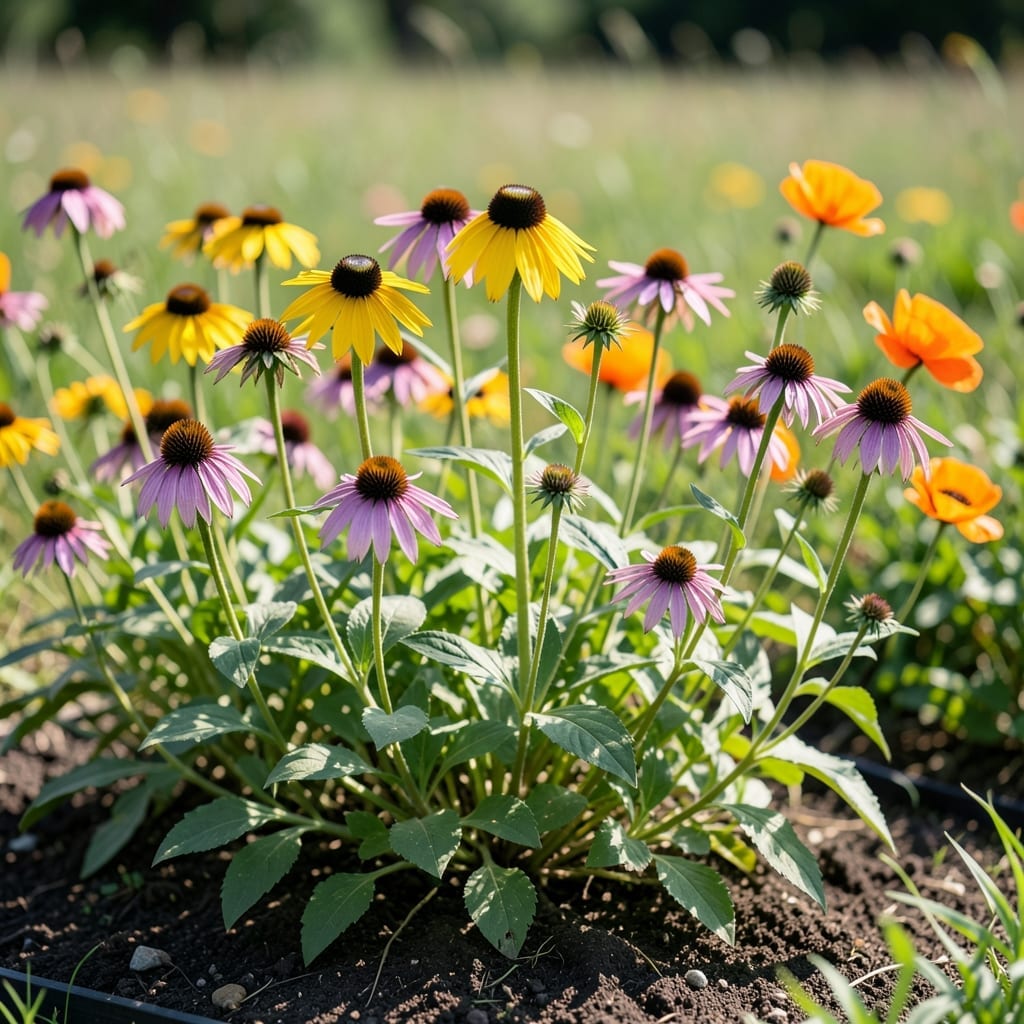
Wildflowers bring effortless beauty to any landscape, but their success hinges on one crucial factor: sunlight. Get this wrong, and you might end up with a lackluster display instead of a vibrant meadow.
I’ve learned that most 🌸 Wildflowers thrive with at least 6+ hours of direct sun daily. This isn’t just about survival—it’s the difference between sparse blooms and a breathtaking floral show.
Discover how to match your garden’s light conditions with the perfect wildflower varieties. Let me show you the simple secrets to getting it right from the start.

Getting the sunlight right is the secret to a vibrant wildflower garden. While many assume all wildflowers need full sun, the reality is more nuanced. I’ve seen gardens flourish by matching species to their ideal light conditions.
Most native wildflowers thrive with 6-8 hours of direct sun, but some woodland varieties prefer dappled shade. Understanding these needs helps create a balanced, low-maintenance landscape that blooms all season long.
| Wildflower Variety | Sun Requirement | Notes |
|---|---|---|
| Black-eyed Susan | Full sun | 6-8 hours daily, drought-tolerant |
| Columbine | Partial shade | 3-6 hours, prefers morning sun |
| Foxglove | Partial to full shade | 2-4 hours, woodland favorite |
| Purple Coneflower | Full sun | 6+ hours, attracts pollinators |
| Bleeding Heart | Full shade | Less than 3 hours, moist soil |
In my experience, full-sun wildflowers like coneflowers and black-eyed Susans produce the most abundant blooms when they receive that magic 6-8 hour range. These are your go-to choices for open, sunny areas.
Partial shade lovers such as columbines and astilbes do beautifully under trees or on the east side of buildings. They typically need 3-6 hours of sun, with morning light being ideal as it’s less intense.
For those deep shade areas, consider foxgloves or bleeding hearts. These thrive with just 2-4 hours of dappled sunlight, making them perfect for woodland gardens or north-facing borders.
Remember that sunlight intensity varies by region. In hotter climates like the Southwest, even full-sun wildflowers might benefit from some afternoon shade to prevent scorching.
I always recommend observing your garden’s sun patterns for a few days before planting. Note which areas get morning vs. afternoon sun, as this can significantly impact your wildflowers’ performance.
Don’t forget that soil moisture and sun exposure go hand in hand. Full-sun areas typically need more frequent watering, while shaded spots retain moisture better. This balance is key to wildflower success.
With the right sunlight, you’ll be rewarded with a colorful, pollinator-friendly garden that thrives with minimal care ☀️🌼
Achieving the perfect sunlight balance for wildflowers doesn’t have to be complicated. I’ve found that even small adjustments in planting location can make a big difference in bloom quality and duration.
Start by mapping your garden’s sun patterns throughout the day. Note which areas receive morning sun versus harsh afternoon rays, as this will guide your plant placement decisions.
For challenging light conditions, I recommend using container planting. This lets you move wildflowers to follow the sun or protect them from too much heat. It’s especially useful for urban balconies with limited light.
Remember that spacing matters too. Crowded plants compete for light, leading to leggy growth and fewer blooms. Give each plant room to reach its full sun potential.
Companion planting can also help optimize light. Pair tall sun-lovers with low-growing shade tolerators to create a layered effect that maximizes your garden’s light resources.
Finally, don’t forget that seasonal changes affect sunlight. What’s full sun in spring might become partial shade in summer as trees leaf out. Plan accordingly and be ready to adjust as needed ☀️🌻