
Beautiful Plants For Your Interior
Beautiful Plants For Your Interior
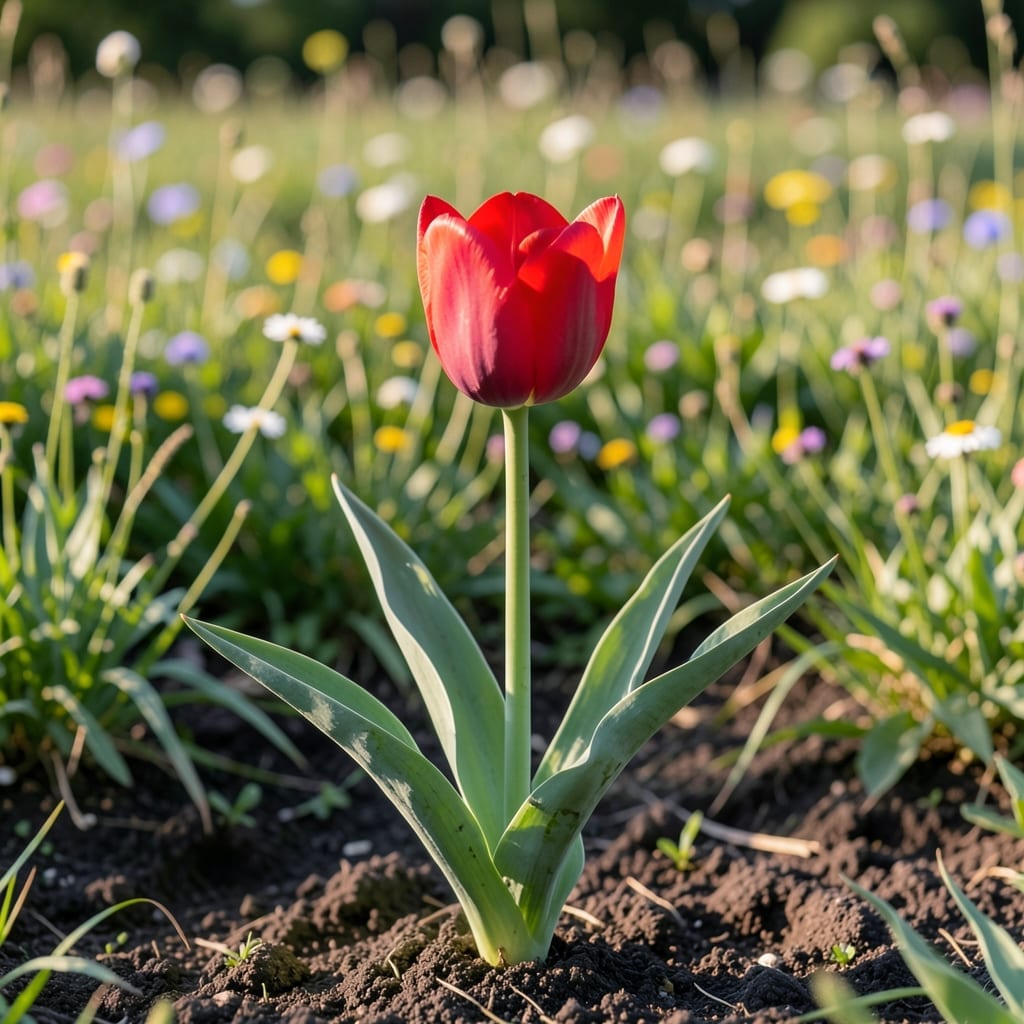
There’s nothing quite like seeing vibrant 🌷 tulips brighten up your garden each spring. But did you know their stunning blooms depend heavily on one crucial factor?
Sunlight plays a major role in how well your tulips grow and flower. Without the right amount, you might end up with weak stems or lackluster blooms.
Let me share the exact sun requirements to ensure your tulips thrive and return year after year with their full beauty on display.

For vibrant tulip blooms, sunlight is non-negotiable. These spring favorites thrive in full sun, which means they need at least 6 hours of direct sunlight daily to reach their full potential.
I’ve found that tulips planted in partial shade may still bloom, but the flowers are often smaller and less vivid. The bulbs also struggle to store enough energy for next year’s growth without sufficient light.
| Requirement | Specification |
|---|---|
| Ideal Sun Exposure | 6+ hours daily |
| Light Type | Direct sunlight |
| Minimum for Blooms | 4-6 hours |
| Shade Tolerance | Low |
| Best Window Direction | South-facing |
In my experience, morning sunlight is especially beneficial for tulips. It helps dry the foliage quickly, reducing the risk of fungal diseases that thrive in damp conditions.
If your garden gets intense afternoon sun, don’t worry—tulips can handle it, especially in cooler climates. Just ensure the soil stays moist but well-drained to prevent bulb rot.
For those in warmer USDA zones (7-8), a bit of afternoon shade can actually help extend the blooming period by protecting flowers from heat stress. ☀️
I always recommend planting tulips where they’ll get uninterrupted sunlight during the spring. Avoid spots near tall trees or buildings that cast long shadows during the day.
Remember, the sunlight requirements don’t change much between different tulip varieties. Whether you’re growing Darwin hybrids or parrot tulips, they all need plenty of light.
If you’re planting in containers, place them in the sunniest spot on your patio or balcony. Rotate the pots occasionally to ensure even growth and prevent the stems from leaning toward the light.
Lastly, don’t forget that sunlight affects bulb development for next year. After blooming, the foliage continues photosynthesizing to store energy in the bulb—so resist the urge to cut it back until it turns yellow.
If your tulips look weak or fail to bloom, sunlight deficiency might be the culprit. One of the first signs I notice is pale or yellowing leaves, which indicate the plant isn’t producing enough chlorophyll.
Another red flag is stunted growth or thin, spindly stems that struggle to support the flowers. These tulips often produce smaller blooms or none at all, a condition known as blindness. 🌱
⚠️ Warning: Tulips in deep shade may not bloom at all. If your garden has limited light, consider sun-loving alternatives or use reflective surfaces to maximize available sunlight.
I’ve also seen tulips leaning excessively toward light sources, a clear sign they’re stretching for more sun. This can result in weak, floppy stems that can’t support the weight of the flowers.
In partial shade, tulips might bloom the first year if the bulbs stored enough energy, but they’ll decline over time without adequate light. The bulbs shrink and eventually stop producing flowers altogether.
If you notice fewer blooms each year, it’s a sign your tulips aren’t getting enough sunlight to replenish their energy. This is especially common in north-facing beds or under dense tree canopies. ☀️
For container-grown tulips, inadequate light often leads to uneven growth, with stems bending toward the light source. Rotating pots regularly can help, but they still need 6+ hours of direct sun daily.
Remember, even dappled shade can reduce blooming. If your tulips show these signs, consider relocating them to a sunnier spot next season for healthier, more vibrant flowers. 🌷