
Beautiful Plants For Your Interior
Beautiful Plants For Your Interior
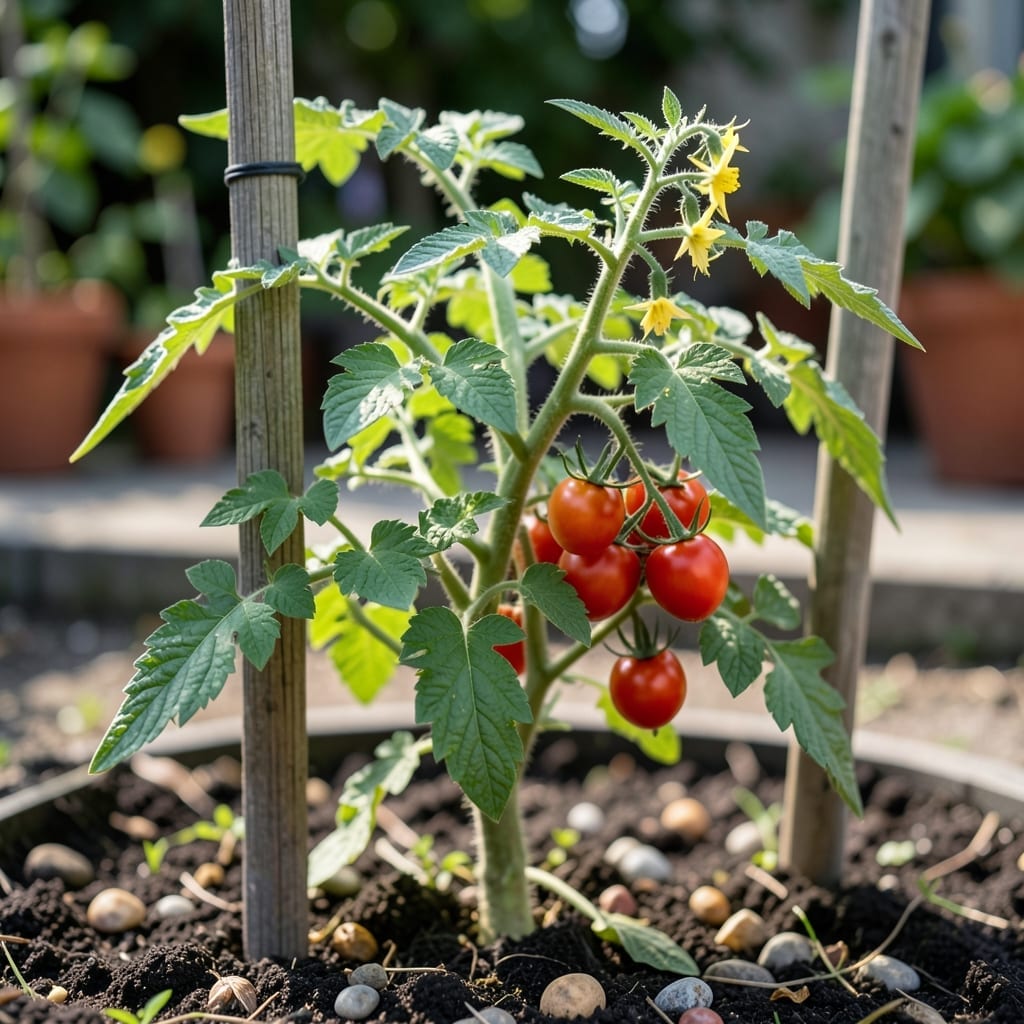
If your 🍅 Tomato plants look weak or struggle to produce fruit, sunlight might be the culprit. These plants thrive on light, and getting it wrong can stunt their growth or leave you with a disappointing harvest.
Whether you’re growing heirlooms in a backyard or cherry tomatoes on a balcony, understanding their needs is the key to success. Even small adjustments can make a big difference in plant health and yield.
Let me walk you through what tomatoes truly need to flourish, including how to work with less-than-ideal light conditions. You’ll discover practical ways to give them the best start possible.

Tomatoes are sun worshippers that demand plenty of light to thrive. Most varieties need 6-8 hours of direct sunlight daily for robust growth and fruit production. This isn’t just a suggestion – it’s a non-negotiable for healthy plants.
Different tomato types have slightly varying needs. While cherry tomatoes can sometimes tolerate a bit less sun, larger varieties like beefsteaks absolutely require that full 8-hour minimum to develop their signature size and flavor.
| Tomato Type | Daily Sun Needs | Notes |
|---|---|---|
| Cherry Tomatoes | 6-8 hours | Most forgiving of slight shade |
| Beefsteak Tomatoes | 8+ hours | Need maximum light for size |
| Heirloom Tomatoes | 8+ hours | Full sun for best flavor |
| Determinate Tomatoes | 6-8 hours | Compact growth habit |
The seedling stage is particularly sun-sensitive. Young plants need consistent light to develop strong stems. I’ve found that 12-16 hours under grow lights works wonders if you’re starting indoors before the last frost.
As plants mature, the fruiting stage demands the most light. Without sufficient sun, you’ll notice fewer blossoms and slower fruit development. The sugar content in tomatoes comes from photosynthesis, so more sun equals sweeter fruit.
For gardeners in northern climates with shorter days, choosing early-maturing varieties can help. I’ve had success with ‘Early Girl‘ and ‘Siberian’ tomatoes that produce well even with slightly less light.
If you’re growing in containers, remember that pots can heat up quickly in full sun. I recommend light-colored containers to prevent root burn while still giving plants their needed sunlight.
South-facing windows are ideal for indoor tomatoes, but you’ll likely need to supplement with grow lights to reach the 6-8 hour requirement. I’ve used LED grow lights with great success for my winter tomato experiments.
Don’t forget that light intensity matters as much as duration. A west-facing garden might get 6 hours of sun, but the afternoon light is often more intense than morning sun, which can benefit your plants.
Finally, if you’re working with limited sunlight, consider using reflective surfaces like white walls or aluminum foil to bounce extra light onto your plants. Every little bit helps when you’re pushing the boundaries of tomato light requirements. ☀️
If your tomato plants are struggling, insufficient sunlight might be the issue. Look for leggy stems stretching toward the light, a classic sign of light deprivation. This weak growth makes plants more susceptible to disease and pests.
Yellowing leaves and slow fruit development are other red flags. Without enough light, plants can’t photosynthesize effectively, leading to stunted growth and poor yields. I’ve seen this happen when plants are stuck in shady corners.
⚠️ Warning: Sunlight Deficiency
Leggy stems, yellow leaves, and slow fruiting indicate your tomatoes need more light. Act quickly to prevent permanent stunting.
The first solution is to relocate your plants to a sunnier spot. If you’re using containers, this is easy – just move the pots. For in-ground plants, consider pruning nearby trees or thinning other plants that might be casting shade.
Another trick I use is reflective surfaces. White walls, aluminum foil, or even reflective mulch can bounce extra light onto your plants. This is especially helpful in urban gardens with limited direct sunlight.
If relocation isn’t possible, try shade-tolerant varieties like ‘Siberian’ or ‘Stupice’. These can produce decent yields with just 4-6 hours of sunlight, though they won’t be as prolific as full-sun varieties.
For balcony gardeners, hanging planters can help maximize light exposure. I’ve had success with ‘Tumbling Tom’ varieties in hanging baskets, which allow the plants to cascade toward the light.
Finally, if you’re growing indoors, supplemental grow lights are essential. I recommend LED lights placed 6-12 inches above plants for 12-16 hours daily. This mimics the intensity of natural sunlight.