
Beautiful Plants For Your Interior
Beautiful Plants For Your Interior
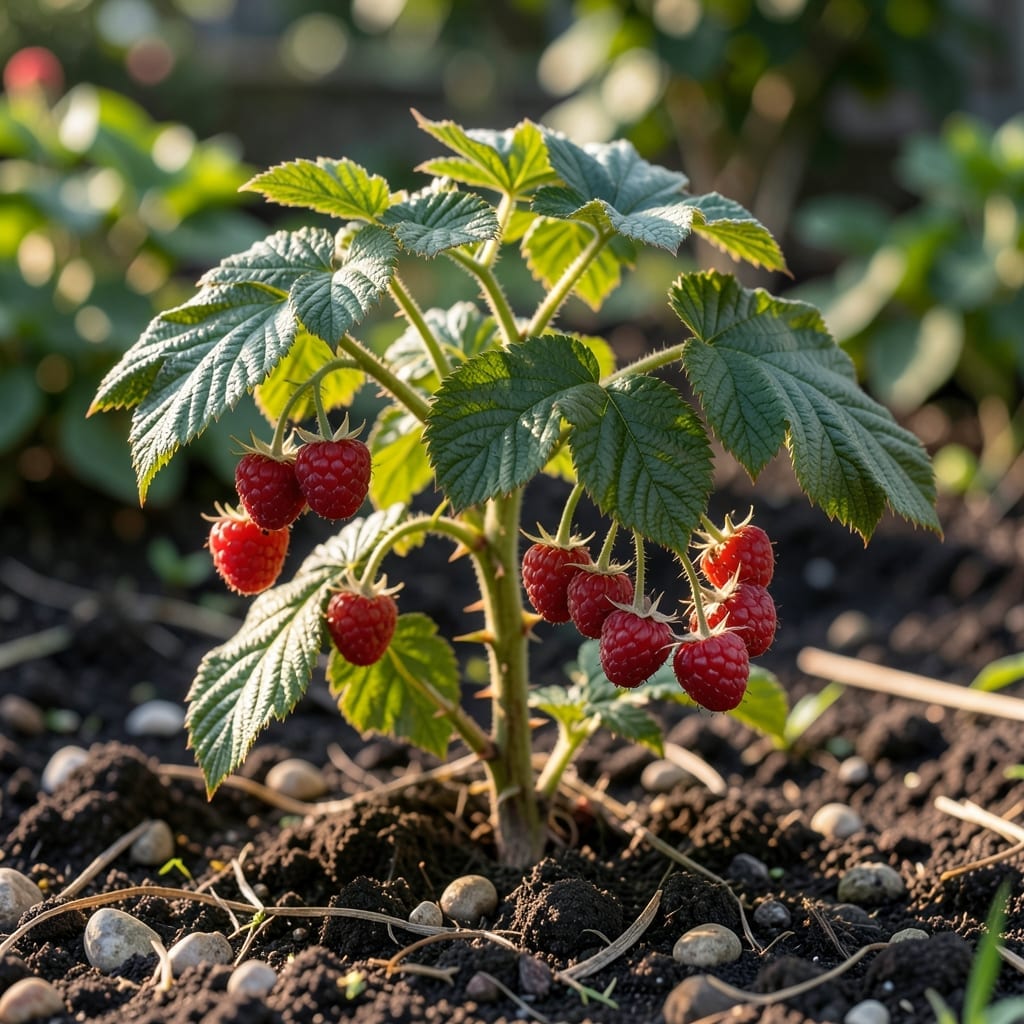
Nothing beats biting into a juicy raspberry you’ve grown yourself. But here’s the thing: your 🫐 Raspberry plants won’t deliver those sweet rewards without the right light.
Getting the sunlight balance just right is the key to plump, flavorful berries. Too little, and you’ll end up with sparse, tart fruit. Too much, and you risk scorching your plants.
I’ve seen gardeners struggle with this for years, not realizing how a simple adjustment can transform their harvest. The good news? It’s easier to fix than you might think.
Discover how to give your Raspberry plants the perfect amount of sun for thriving growth and bountiful harvests every season.

Getting the sunlight balance right is key for healthy raspberry plants and a bountiful harvest. Most varieties need full sun to produce their sweetest, juiciest berries.
However, the exact sun needs can vary by raspberry type and climate conditions. Some tolerate partial shade, but this often reduces yield and fruit quality.
| Variety | Ideal Sunlight | Minimum Sun |
|---|---|---|
| Red Raspberries | 6-8 hours daily | 4-6 hours |
| Black Raspberries | 6-8 hours daily | 5-6 hours |
| Golden Raspberries | 6-8 hours daily | 5-6 hours |
| Everbearing Raspberries | 6-8 hours daily | 6 hours |
I’ve found that red raspberries are the most sun-tolerant, thriving in full sun exposures of 6-8 hours daily. They can manage with 4-6 hours but may produce smaller berries.
Black raspberries prefer similar conditions but need at least 5-6 hours to avoid weak growth. In hotter climates, they benefit from afternoon shade to prevent scorching.
Golden raspberries follow the same pattern as black varieties. Their yellow fruit can be more sensitive to intense sunlight, so partial shade works well in warmer zones.
Everbearing raspberries are unique as they produce two crops per year. They require consistent sunlight of at least 6 hours daily to support both harvests.
In my experience, northern climates with cooler summers can push raspberries to their maximum sun tolerance. Meanwhile, in southern regions, some afternoon shade helps prevent heat stress.
For container-grown raspberries, ensure they receive morning sun and some afternoon shade, especially in hot climates. This mimics their natural forest edge habitat.
Remember, even shade-tolerant varieties will produce the best fruit with maximum sunlight. If your garden has limited sun, consider reflective mulches to boost light exposure.
Finally, observe your plants. Healthy raspberries in ideal light will have vibrant green leaves and strong canes. Adjust as needed based on your local conditions ☀️
If your raspberry plants look weak or sparse, they might need more sunlight exposure. Small berries or stunted growth are classic signs of insufficient light.
Watch for pale leaves, leggy canes, or fewer fruiting laterals. These indicate your plants are struggling to photosynthesize effectively without enough sun.
In shaded gardens, consider thinning nearby trees or using reflective mulch to redirect light. Even a small boost in sunlight can improve your harvest significantly.
For container-grown raspberries, rotate pots daily to ensure even sun exposure. This prevents one side from becoming weak while the other thrives.
If relocation isn’t possible, choose partial-shade tolerant varieties like golden raspberries, which perform better with 4-6 hours of sun instead of the ideal 6-8 hours.
Monitor your plants after adjustments. With proper sunlight, you should see darker foliage and more robust growth within a few weeks. ☀️