
Beautiful Plants For Your Interior
Beautiful Plants For Your Interior
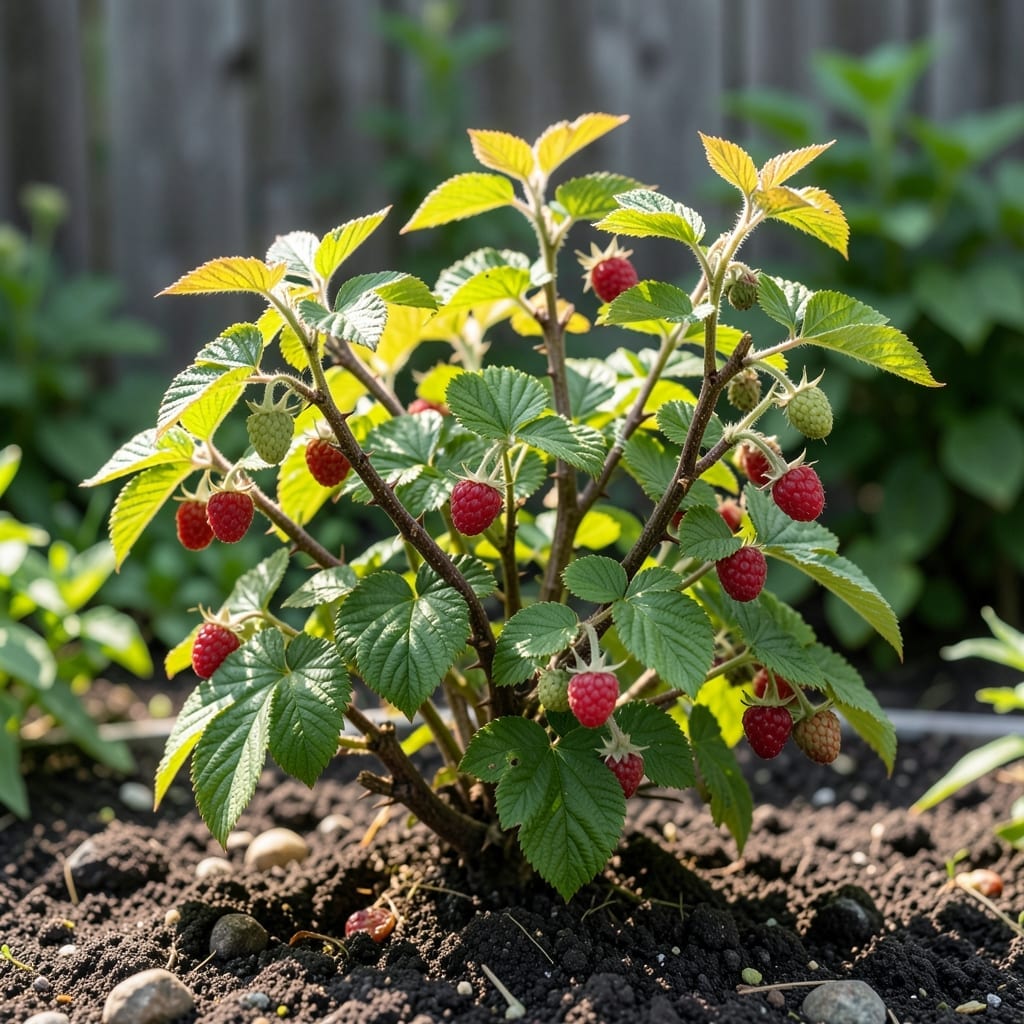
If your 🍇 Raspberry bushes aren’t producing like they should, sunlight might be the missing piece. These plants are sun-worshippers at heart, and getting the light balance right can make or break your harvest.
I’ve seen firsthand how the right exposure transforms struggling bushes into fruit-packed powerhouses. Whether you’re in zone 4-8 or working with limited space, there’s a sweet spot for every setup.
Discover the exact daily sun requirements that’ll have your Raspberries thriving. Let me show you how to hit that perfect light target for maximum yield.

I’ve learned that raspberry bushes are true sun lovers, thriving best with 6-8 hours of direct sunlight daily. This isn’t just a suggestion—it’s the sweet spot for maximum fruit production and healthy growth.
In my experience, bushes getting less than 6 hours often produce smaller berries and weaker canes. The morning sun is particularly valuable as it dries dew quickly, reducing disease risk.
| Requirement | Specification |
|---|---|
| Daily Sun | 6-8 hours |
| Light Type | Direct sunlight |
| Best Window | South-facing |
| Minimum Sun | 4-6 hours |
| Shade Tolerance | Low |
For red raspberries, I recommend aiming for the higher end of that range. The summer-bearing varieties especially need consistent light to develop their full flavor and size.
If you’re in a hotter climate, don’t worry about the upper limit. 8+ hours won’t harm your plants as long as they’re well-watered. The key is avoiding deep shade during peak growing months.
Black raspberries can handle slightly less sun, but I still push for 6 hours minimum. Even shade-tolerant varieties like ‘Black Jewel’ perform best with ample light.
I’ve noticed that morning sun is more beneficial than afternoon sun. It helps dry the foliage, which prevents fungal diseases that raspberries are prone to.
For container-grown raspberries, ensure your pots get that full sun exposure. I place mine on a sunny patio and rotate them occasionally for even growth.
Remember, seasonal changes affect sunlight. In early spring and fall, your bushes might need supplemental light if days are shorter in your region.
If your space only gets 4-6 hours of sun, don’t despair. Some varieties like ‘Heritage’ can still produce, though yields will be lower than in full sun.
I always tell gardeners: when in doubt, more sun is better for raspberries. These plants evolved in sunny clearings, and they’ll reward you with bigger, sweeter berries when given their preferred conditions. ☀️
I’ve seen many gardeners miss the subtle signs their raspberry bushes are light-starved. The first clue is often smaller berries that lack that deep, rich color we all love. If your harvest looks puny, sunlight is usually the culprit.
Weak, spindly canes are another red flag. Healthy raspberries produce sturdy stems, but insufficient light leads to leggy growth that can’t support fruit. Check your plants’ structure—it tells a story.
Warning: Insufficient Sunlight
Small berries, weak canes, and poor flowering signal your raspberries need more light. Aim for 6-8 hours daily to prevent these issues.
Poor flowering is a classic symptom. If your bushes produce fewer blossoms than expected, they’re not getting enough energy from the sun. I always say: no flowers today means no fruit tomorrow.
Watch for yellowing leaves too. While this can indicate other issues, in combination with weak growth, it often points to light deficiency. Raspberries in shade tend to develop a sickly pallor.
Another sign is uneven ripening. Berries on the sunnier side of the plant mature first, while those in shade lag behind. This creates a patchwork harvest that’s hard to manage.
If you notice these issues, don’t panic. I’ve successfully revived light-deprived bushes by pruning nearby trees or relocating pots to sunnier spots. Sometimes, simply thinning surrounding plants can make a world of difference.
Remember, morning sun is most critical. Even if your space only gets partial light, prioritize those early hours when the sun is strongest and most beneficial. ☀️