
Beautiful Plants For Your Interior
Beautiful Plants For Your Interior
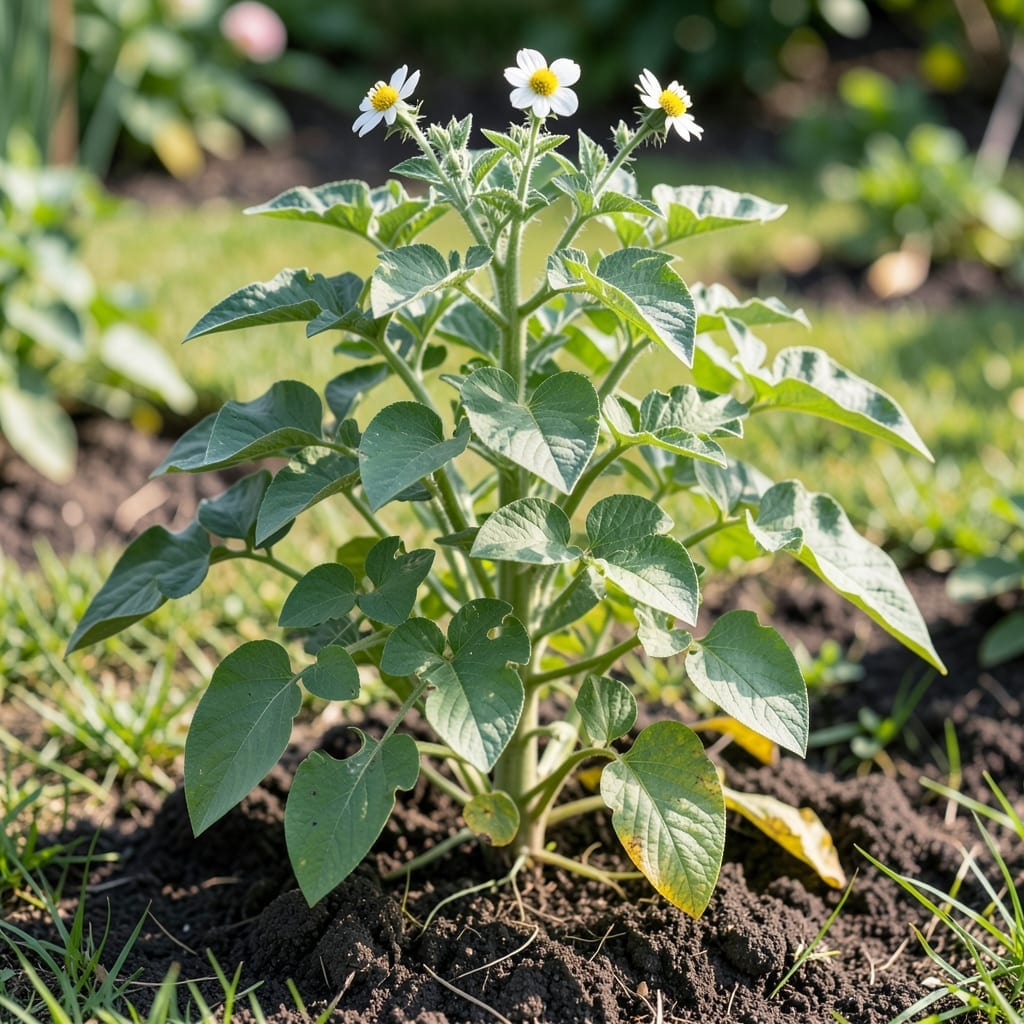
Ever noticed how some gardens produce bigger potato harvests while others struggle? The difference often comes down to one simple factor: sunlight.
Potatoes 🥔 aren’t just surviving in your garden—they’re thriving when they get the right amount of light. Get it wrong, and you might end up with small tubers or weak plants.
I’ve seen firsthand how adjusting light exposure can transform a mediocre crop into an abundant one. The good news? It’s easier than you think to get it right.
Discover the exact sunlight needs for potatoes and how to optimize them for a bumper harvest this season.

I’ve found that potatoes need full sun to thrive, but their light requirements shift slightly as they grow. Understanding these stages helps me maximize yields and avoid common pitfalls like leggy plants or small tubers.☀️
During sprouting and early growth, potatoes benefit from 6-8 hours of direct sunlight daily. This encourages strong stem development and sets the stage for healthy foliage. Without enough light, plants can become weak and spindly.
| Growth Stage | Sunlight Needs | Key Focus |
|---|---|---|
| Sprouting | 6-8 hours | Strong stem growth |
| Foliage Development | 6-8 hours | Healthy leaf production |
| Tuber Formation | 6-8 hours | Maximize tuber size |
| Maturity | 6 hours minimum | Prevent greening |
As foliage develops, maintaining consistent sunlight ensures the plant can photosynthesize efficiently. This stage is critical for building the energy needed for tuber production later on.
Once tuber formation begins, I make sure my potatoes still get at least 6-8 hours of sun. This is when the plant shifts energy from leaves to tubers, and adequate light directly impacts tuber size and yield.
In the final maturity stage, I reduce the risk of sun scald or greening by ensuring even light exposure. If tubers are close to the surface, I hill soil around them to block light and prevent toxicity.
I’ve noticed that early varieties often need slightly less sun than late varieties. For example, Yukon Gold does well with 6 hours, while Russet potatoes prefer 8 hours for optimal growth.
If I’m growing in a partial-shade area, I prioritize morning sun, which is less intense than afternoon sun. This helps prevent heat stress while still providing enough light energy for growth.
I always monitor soil temperature too, as cool soil can slow growth even with full sun. Aim for soil temps between 45-80°F for the best results.🌱
Finally, I adjust for seasonal changes. In early spring, I might use row covers to retain heat, while in summer, I ensure adequate watering to complement sunlight and prevent stress.🌿
If your potato plants look weak or stunted, sunlight might be the culprit. Too little light leads to leggy stems and small tubers. Too much can scorch leaves and stress the plants. I’ve seen both scenarios play out in my own garden.
Watch for yellowing leaves or slow growth—these are classic signs of insufficient light. Meanwhile, brown leaf edges often indicate sunburn from excessive exposure.
⚠️ Sun Stress Alert
Too little sun causes spindly plants and poor tuber formation. Too much can bleach leaves and reduce yields. Adjust exposure gradually.
When potatoes receive 6-8 hours of direct sunlight, they thrive. But if your garden gets less than 4 hours, consider relocating or using reflective mulch to boost light.
For partial shade gardens, try planting early varieties like Yukon Gold. These can tolerate slightly less sun. In full-sun areas, Russet potatoes perform exceptionally well.
If you notice wilting in afternoon, it might not be sunburn—check soil moisture. But crispy leaf tips are a sure sign of too much direct light. Shade cloth can help during peak heat periods.
I always recommend monitoring your plants daily during the first few weeks. This helps you catch light-related issues early and adjust accordingly.
With the right balance, your potatoes will reward you with healthy foliage and a bumper crop come harvest time ☀️🌱