
Beautiful Plants For Your Interior
Beautiful Plants For Your Interior
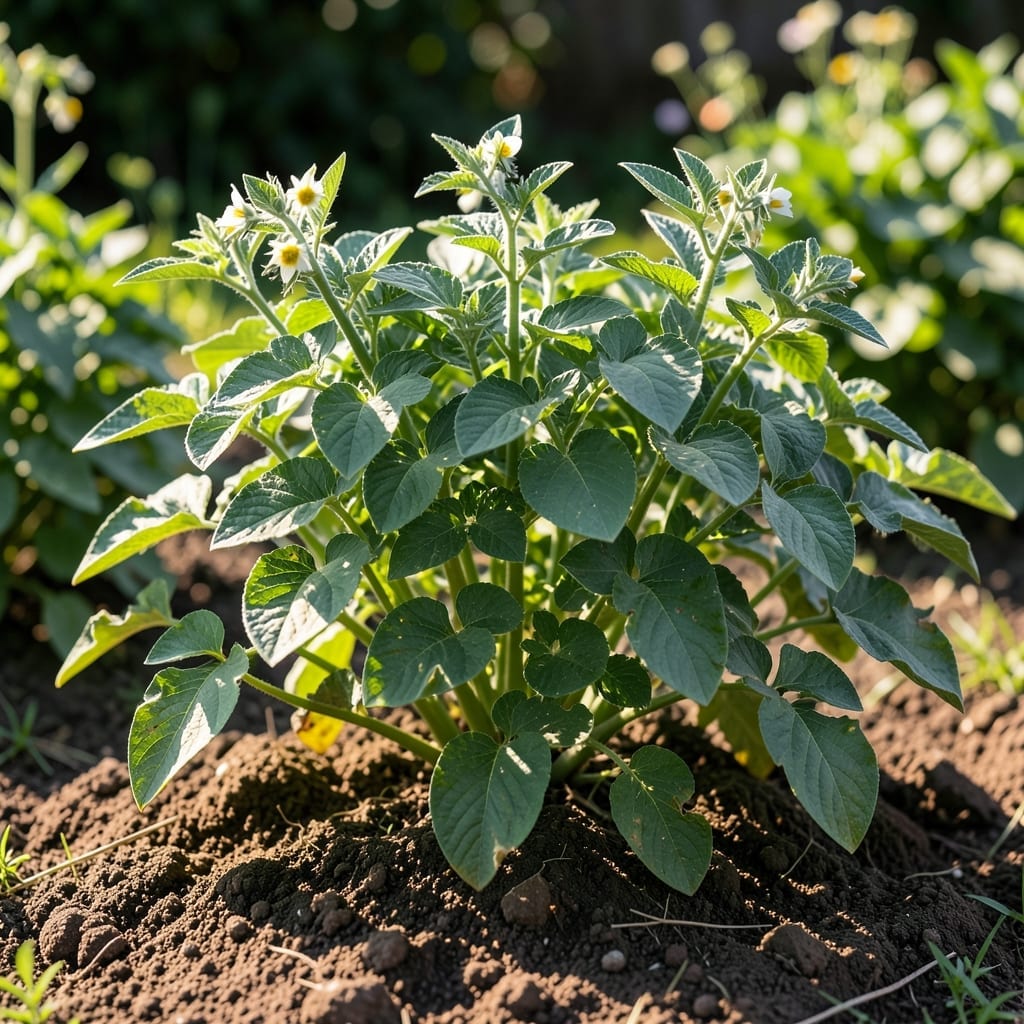
There’s nothing quite like the satisfaction of digging up perfect homegrown potatoes from your own garden. But did you know that sunlight is the most important factor in determining your harvest’s success?
The 🥔 Potato plant isn’t just any garden vegetable – it’s a sun-worshipper that needs the right amount of light to thrive. Too little, and you’ll end up with sparse, undersized tubers. Too much, and you risk stressing the plant.
I’ve learned through years of trial and error that getting this balance right makes all the difference. Whether you’re planting in Zone 6 or elsewhere, the principles remain the same.
Let me walk you through exactly what your potato plants crave when it comes to sunlight, so you can look forward to a bountiful harvest come June through August.

Getting the sunlight balance right is crucial for healthy potato plants. From my experience, each growth phase has slightly different needs that can make or break your harvest.
The sprouting stage is when your potatoes are most vulnerable. During this period, they need 6-8 hours of direct sunlight to establish strong roots and stems. This is when the plant is building its foundation for future growth. ☀️
| Growth Stage | Sunlight Needs | Key Benefits |
| Sprouting | 6-8 hours direct | Strong root development |
| Foliage Development | 6-8 hours direct | Lush, healthy leaves |
| Tuber Formation | 6-8 hours direct | Maximum tuber size |
| Maturity | 6-8 hours direct | Optimal starch development |
As the plant enters the foliage development phase, maintaining that full sun exposure ensures vigorous leaf growth. The leaves are the plant’s solar panels, converting sunlight into energy for tuber production.
During tuber formation, which is the most critical stage, consistent sunlight is non-negotiable. I’ve seen firsthand how 8 hours of sun can lead to significantly larger and more numerous potatoes compared to plants getting less light.
The maturity stage is when your patience pays off. Even as the plant nears harvest, it still benefits from 6-8 hours of sunlight daily. This final push helps develop the starch content that gives potatoes their desired texture.
In my garden, I always position potato plants where they’ll get morning sun. This is gentler than afternoon sun and helps prevent heat stress. Plus, it allows the foliage to dry quickly, reducing disease risks.
If you’re in a particularly hot climate, consider providing afternoon shade during peak summer. This can prevent sunscald on the tubers and keep the soil from drying out too quickly. 🌿
Remember, consistency is key. Potatoes adapt poorly to sudden changes in light conditions. If you’re starting them indoors, gradually acclimate them to outdoor light over a week before transplanting.
Finally, observe your plants. If the leaves are vibrant green and the stems are sturdy, you’re likely giving them the right amount of sun. Any yellowing or legginess might indicate it’s time to adjust their light exposure.
The sunlight debate for potatoes often comes down to full sun versus partial shade. From my gardening experience, the difference in yield can be dramatic depending on how much light your plants receive daily.
Potatoes grown in 6+ hours of direct sun consistently produce larger, more numerous tubers. The extra energy from sunlight fuels more robust photosynthesis, which directly translates to bigger harvests come June through August. ☀️
| Condition | Sunlight Hours | Yield Impact |
| Full Sun | 6-8 hours | Largest tubers, highest yield |
| Partial Shade | 3-4 hours | Smaller tubers, lower yield |
| Heavy Shade | <2 hours | Minimal tubers, poor growth |
With partial shade (3-4 hours), you’ll still get potatoes, but they’ll be noticeably smaller and fewer. I’ve tested this in my own garden beds with side-by-side plantings, and the full sun plants always outperform shaded ones.
What’s more surprising is how tuber flavor changes with light exposure. Full sun potatoes tend to have a richer, more developed taste because the extra sunlight helps convert more sugars into starches during maturation.
If you’re working with limited sunlight, don’t despair. You can still grow potatoes successfully by choosing early varieties like ‘Yukon Gold’ or ‘Red Pontiac’, which tolerate slightly less light than maincrop types.
For the best results in partial shade, I recommend extending the growing season by starting plants earlier and using reflective mulches to maximize light absorption. This can help compensate for the reduced sunlight hours.
Remember that consistent moisture becomes even more critical in partial shade, as the soil stays damp longer without the drying effects of full sun. 🌿