
Beautiful Plants For Your Interior
Beautiful Plants For Your Interior
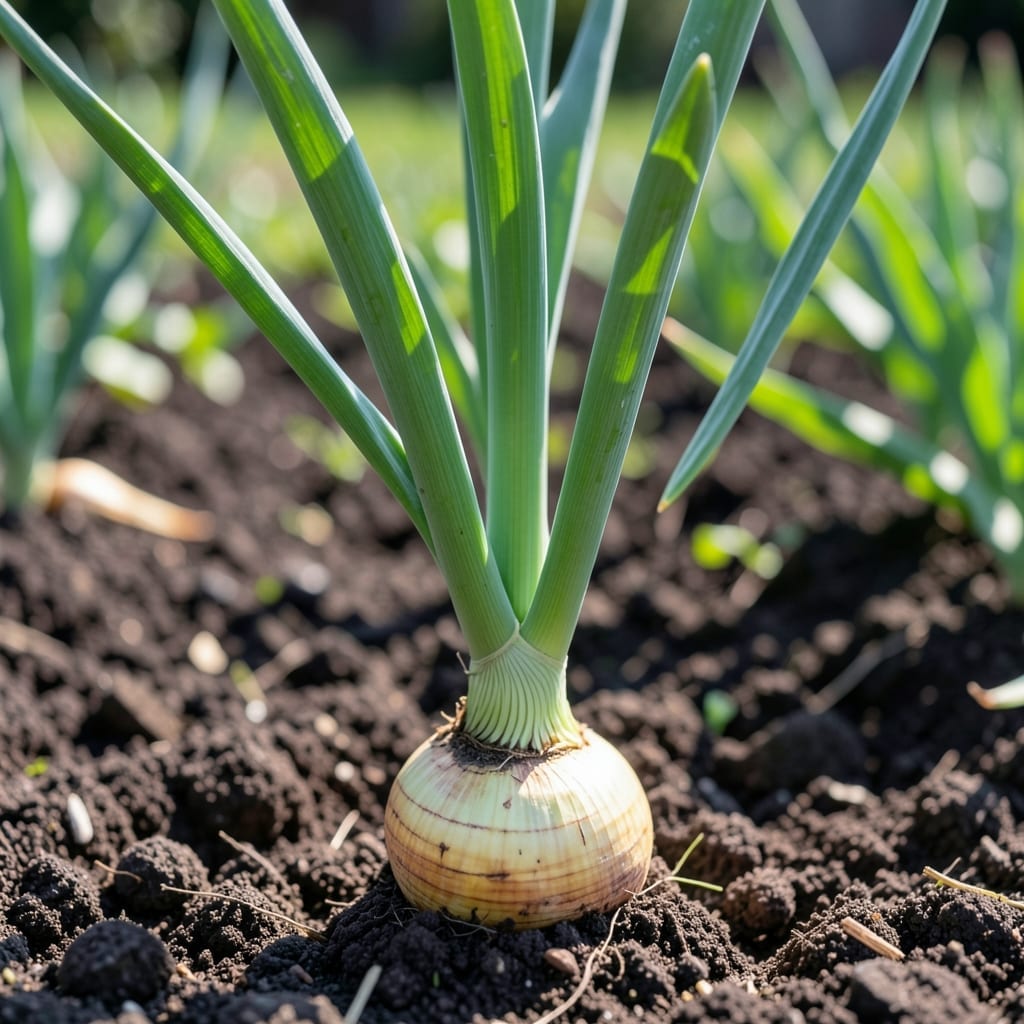
Growing plump, flavorful 🧅 Onion starts with one critical factor: sunlight. Whether you’re cultivating sweet Vidalia varieties or pungent reds, getting the light requirements right ensures healthy bulbs.
A bountiful harvest depends on how well you understand their needs. I’ve seen firsthand how proper sunlight transforms sparse growth into impressive yields.
You might be surprised by how direct this relationship is. The right amount of sun can make or break your onion crop, especially during bulb formation.
Let me walk you through exactly what your Onion needs to thrive, from seedling to harvest. The difference in your garden will be undeniable.

Getting sunlight right is crucial for onions. They thrive with 6-8 hours of direct sun daily, though full sun is ideal. Without enough light, bulb formation suffers, and yields shrink. I’ve seen sweet varieties like Vidalia do best in bright, open spaces.
During the seedling stage, young onions need gentle but consistent light to establish strong roots. As they grow, increased sunlight fuels the vegetative phase, where green tops develop. This sets the stage for bulbing success later on.
| Growth Stage | Sunlight Requirement | Key Focus |
|---|---|---|
| Seedling | 4-6 hours | Root development |
| Vegetative | 6-8 hours | Top growth |
| Bulbing | 8+ hours | Bulb formation |
Long-day onions, like those grown in northern climates, need 14-16 hours of daylight to bulb. In contrast, short-day varieties thrive in southern regions with 10-12 hours of sun. I always check my USDA zone to pick the right type.
If you’re growing intermediate-day onions, aim for 12-14 hours of light. These are versatile and adapt well to many regions. For best results, I plant them in spring or fall when daylight hours are optimal.
Light intensity matters too. Onions prefer bright, direct sunlight over filtered or partial shade. In my garden, I avoid planting them near tall structures or trees that cast long shadows during peak sun hours.
During cloudy periods, onions may struggle. If your area has frequent overcast days, consider using reflective mulches or grow lights to supplement. I’ve found that aluminum foil placed around plants can help redirect light.
For container gardening, place pots where they get maximum sun exposure. Balconies, patios, or rooftops often work well. I rotate my containers regularly to ensure even light distribution on all sides.
Finally, remember that consistent sunlight leads to uniform bulb size and better flavor. In my experience, onions grown in full sun are firm, sweet, and store longer. If your space is limited, prioritize the sunniest spot for onions.
With the right sunlight strategy, you’ll harvest big, healthy bulbs every time. I’ve learned that a little extra attention to light early on saves a lot of trouble later ☀️
While full sun is ideal for most onions, some varieties can handle partial shade. I’ve found that green onions and short-day types are the most adaptable to less light.
These varieties still need 4-6 hours of sunlight daily for decent growth, but they won’t fail if your garden gets a little dappled shade.
For container gardening, place pots where they’ll get morning sun and afternoon shade. This setup mimics natural light patterns and helps prevent bolting.
Companion planting can also help. I use taller plants like tomatoes to provide light shade during the hottest part of the day, protecting onions from scorching.
If your garden gets less than 4 hours of sun, consider growing leafy greens instead. Onions in deep shade often produce small bulbs or focus on foliage.
To maximize growth in partial shade, ensure soil is rich and well-draining. Adding compost gives onions the nutrients they need to compensate for lower light. ☀️