
Beautiful Plants For Your Interior
Beautiful Plants For Your Interior
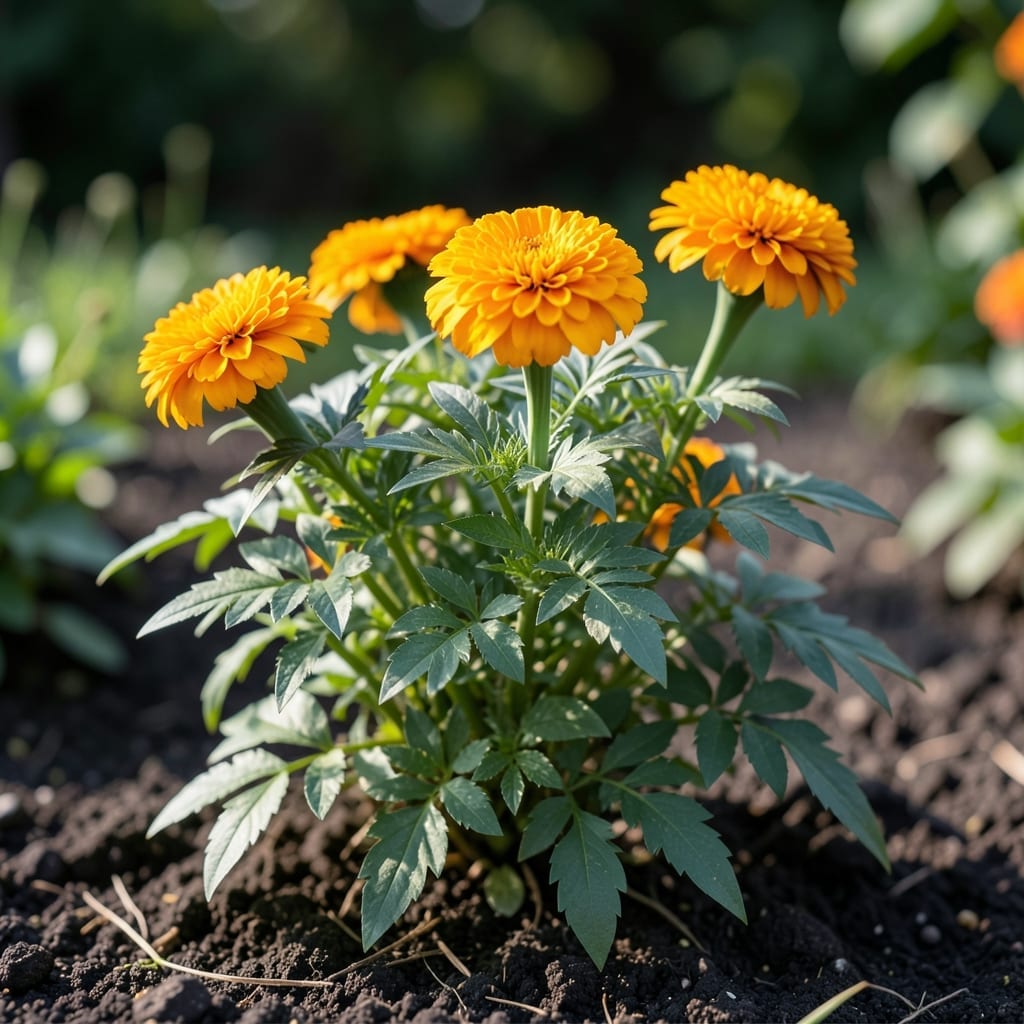
Marigolds are a gardener’s favorite for their vibrant blooms and pest-repelling properties, but their sun requirements can make or break your growing success.
Understanding their daily light needs ensures lush, healthy 🌼 Marigold plants all season long. Whether you’re a beginner or seasoned pro, nailing this one factor transforms your garden.
Discover the simple yet crucial sunlight secrets that will have your marigolds thriving with minimal effort and maximum impact.

Marigolds thrive when they get the right amount of sunlight daily. Most varieties need 6-8 hours of direct sun to produce vibrant blooms. Without enough light, they become leggy and weak, with fewer flowers.
I’ve found that French marigolds and African marigolds prefer full sun, while signet marigolds tolerate partial shade. The key is consistency—sudden changes in light can stress the plants.
| Variety | Sunlight Needs |
|---|---|
| French Marigold | 6-8 hours of direct sun |
| African Marigold | Full sun (8+ hours) |
| Signet Marigold | 4-6 hours of sun |
If your marigolds aren’t blooming, check their sun exposure. Too little sun leads to sparse flowers and pale foliage. In my garden, moving them to a sunnier spot always revives them.
Wilting in the afternoon can signal too much sun, especially in extreme heat. Provide afternoon shade in scorching climates to prevent stress. Container-grown marigolds let you adjust their position easily.
For best results, plant marigolds where they’ll get morning sun. This gentle light kickstarts photosynthesis without the harshness of midday rays. I’ve noticed this keeps their colors vibrant and growth steady.
Poor flowering often means insufficient light. If your plants are tall but not blooming, they’re likely stretching for the sun. Relocate them or trim nearby plants blocking the light.
In hotter regions, marigolds may need light shade during peak hours. Watch for scorched leaves—this is a clear sign they’re getting too much direct sun without relief.
I recommend rotating pots weekly for even growth. This ensures all sides of the plant receive equal light, preventing lopsided development. It’s a simple trick with big results.
Remember, well-draining soil pairs perfectly with proper sun exposure. Marigolds hate soggy roots, so ensure their sunny spot also has good drainage to keep them thriving.
☀️Adjusting sun exposure for marigolds depends on your climate and growing conditions. In hot climates, I provide afternoon shade to prevent wilting and leaf scorch. Morning sun is gentler and ideal for these vibrant flowers.
For cooler regions, maximize sunlight by placing marigolds in the sunnier spots of your garden. They’ll still need 6-8 hours of direct light to thrive and produce abundant blooms.
In container gardening, I rotate my marigold pots weekly. This ensures even growth on all sides and prevents the plants from leaning toward the light source.
If you notice leggy growth or fewer blooms, your marigolds likely need more sun. Try relocating them or trimming back nearby plants that might be casting shadows.
For partial shade gardens, select signet marigolds, which tolerate less light. However, even these varieties will perform best with at least 4-6 hours of direct sunlight daily.
Watch for heat stress signs like drooping or brown leaf edges. In extreme heat, a little afternoon shade can make a big difference in keeping your marigolds healthy and blooming all season long. ☀️