
Beautiful Plants For Your Interior
Beautiful Plants For Your Interior
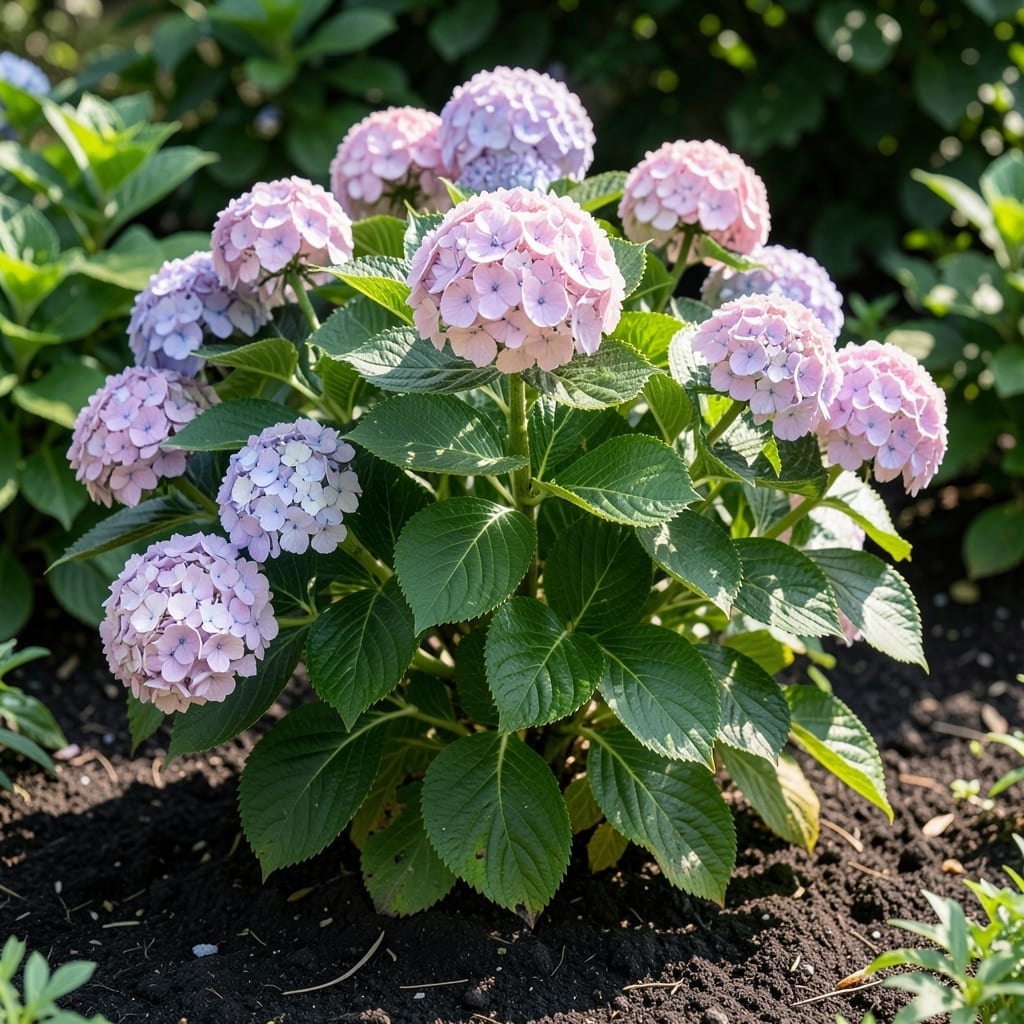
Hydrangeas can transform your garden, but their beauty depends on getting the light just right. Too much sun scorches their delicate petals, while too little leaves them leggy and weak.
I’ve seen 🌸 Hydrangea shrubs struggle in harsh afternoon light, only to thrive when moved to gentler morning exposure. The difference is night and day.
Whether you’re planting in zone 6a or adjusting an existing garden, understanding their sunlight needs is the key to vibrant blooms. Let me walk you through what works best.
Discover how to give these stunning plants the perfect balance of light and shade for lush, long-lasting flowers.

If you’ve ever wondered how much sun do hydrangeas like, the answer depends on the variety. These stunning shrubs thrive under different light conditions, and getting it right ensures vibrant blooms and healthy growth. I’ve found that matching the species to your garden’s light is key.
Most hydrangeas prefer partial shade, but some varieties can handle more sun. The key is understanding their natural habitat and blooming habits. Let’s break it down by type so you can give your plants the best start.
| Variety | Sunlight Needs | Shade Tolerance | Best For |
|---|---|---|---|
| Bigleaf | Morning sun, afternoon shade | High | Woodland gardens |
| Panicle | Full sun to partial shade | Moderate | Open landscapes |
| Oakleaf | Partial to full shade | Very High | Shady borders |
| Smooth | Partial shade | High | Moist areas |
Bigleaf hydrangeas, like the popular mophead and lacecap types, do best with 4-6 hours of morning sun. They wilt in hot afternoon rays, so I always plant them where they get dappled shade later in the day. This protects their large, delicate blooms.
Panicle hydrangeas are the sun-lovers of the group. They can handle full sun in cooler climates but appreciate some shade in hotter zones. I’ve seen them thrive in spots with 6+ hours of sun, especially with consistent watering.
Oakleaf hydrangeas are the most shade-tolerant. They prefer deep shade and can struggle with too much direct light. I like to tuck them under tall trees where they get gentle, filtered light. Their unique, oak-shaped leaves are a great indicator of their health.
For smooth hydrangeas, like the classic Annabelle, aim for partial shade. They can handle a bit more sun than bigleaf varieties but still need protection from intense heat. I often see them planted along north-facing walls for ideal conditions.
Regional adjustments matter too. In southern gardens, even sun-loving hydrangeas may need afternoon shade to prevent heat stress. In cooler northern climates, you can push the sun exposure a bit more. Always observe your plants and adjust as needed.
If your hydrangea isn’t blooming well, light conditions are often the culprit. Too much sun can scorch leaves, while too little can reduce flowering. I recommend tracking the sun patterns in your garden before planting.
With the right balance, you’ll be rewarded with lush foliage and abundant blooms all season long. 🌸
I’ve learned that hydrangeas are quite vocal about their sunlight needs—if you know what to look for. Wilting leaves in the afternoon often signal too much direct sun, especially for bigleaf varieties. ☀️
On the flip side, sparse blooms or long, leggy stems usually mean your plant is craving more light. Panicle hydrangeas can handle full sun better but still need protection from scorching rays. 🌿
If your oakleaf hydrangea leaves start turning yellow, it might be begging for more shade. These natives thrive in dappled sunlight and can scorch in intense afternoon heat. ✂️
For smooth hydrangeas, watch for drooping blooms. This variety tolerates more sun but still needs consistent moisture. A mulch layer helps retain soil coolth and hydration. 💧
I always check my hydrangea’s position at noon. If the sun is beating down directly, it’s time to adjust with shade cloth or companion plants like taller perennials. 🌳
Remember, morning sun is gentler. East-facing spots often provide the ideal balance of bright light without the harsh afternoon glare. This simple tweak can transform your blooms. 🌷