
Beautiful Plants For Your Interior
Beautiful Plants For Your Interior
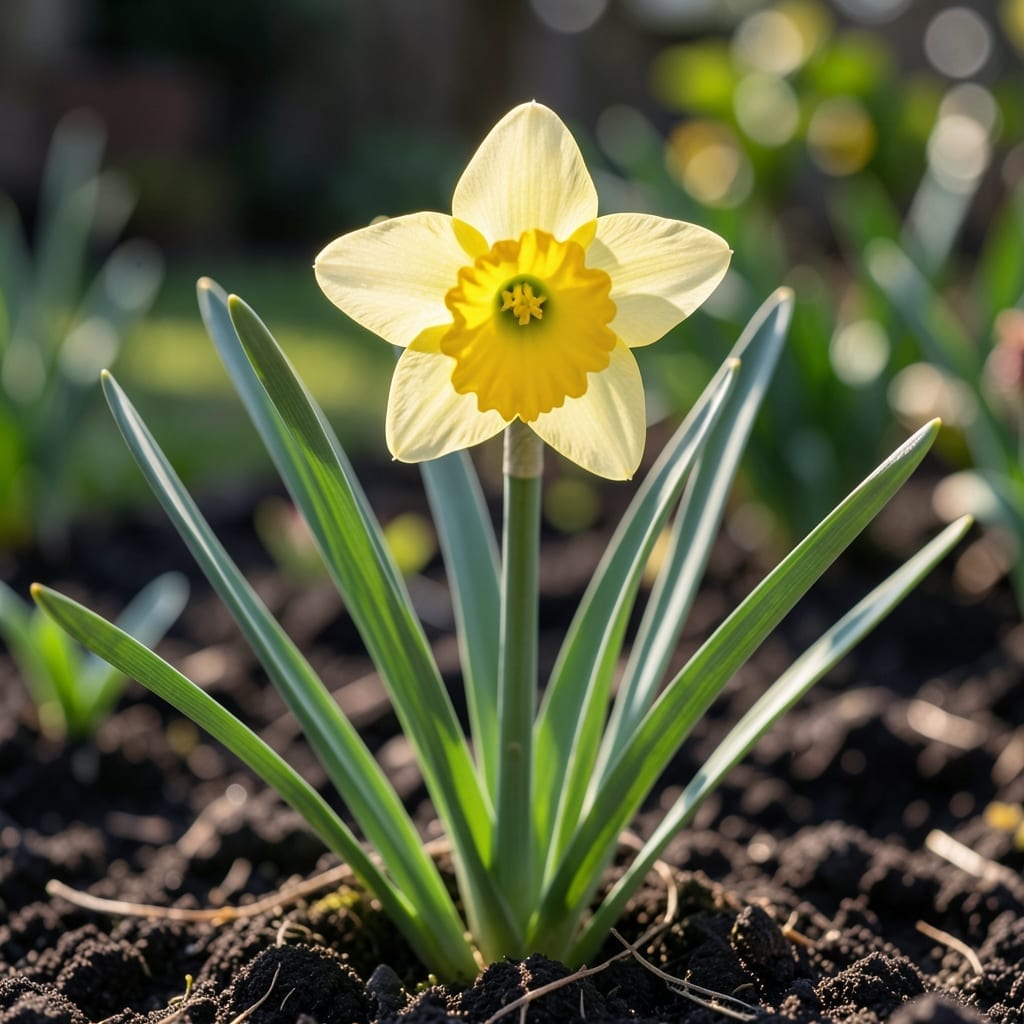
There’s nothing quite like the sight of cheerful 🌼 Daffodils signaling spring’s arrival. But those vibrant blooms won’t appear without the right amount of sunlight.
Getting their light needs right can mean the difference between a sparse display and a garden bursting with color. These hardy flowers thrive when given proper exposure.
Discover how much sun Daffodils truly need to flourish, from bulb health to blooming success. Let’s make your spring garden shine.

For vibrant Daffodil blooms, sunlight is the key ingredient. These spring favorites need consistent light to produce their iconic yellow, white, and orange flowers. Without enough sun, you’ll notice weaker stems and fewer blooms.
I’ve found that 6+ hours of direct sunlight daily works best for most Daffodil varieties. They can tolerate partial shade, but full sun ensures the boldest colors and strongest growth.
| Requirement | Specification |
|---|---|
| Ideal Sunlight | 6+ hours daily |
| Light Type | Full sun to partial shade |
| Best Window Direction | South-facing |
| Seasonal Adjustments | More sun in early spring |
| Shade Tolerance | Moderate |
In my experience, morning sun is particularly beneficial for Daffodils. It helps dry the foliage quickly, reducing the risk of fungal diseases. If your garden gets intense afternoon sun, don’t worry—these plants can handle it.
For those in warmer climates, a bit of afternoon shade can actually help. This prevents the bulbs from overheating in the soil. I’ve seen this work well in USDA zones 7-8, where springs can get quite warm.
Container-grown Daffodils need just as much sun as those in the ground. Place your pots in a sunny patio or balcony. Rotate them occasionally to ensure even light exposure on all sides.
If you’re planting under deciduous trees, time it right. Daffodils bloom before most trees leaf out, so they’ll get plenty of sun in early spring. By the time the canopy fills in, your Daffodils will have finished their growing cycle.
Remember, bulb health depends on sunlight too. After blooming, the foliage continues photosynthesis to feed the bulb for next year. Don’t cut back the leaves until they’ve turned yellow—this is when they’re storing energy.
For the best results, I recommend testing different spots in your garden. Observe how the sunlight patterns change throughout the day. You might find that a slightly shady spot still produces beautiful blooms.
Daffodils are forgiving plants, but giving them the right amount of sun will reward you with bigger blooms and healthier bulbs year after year. It’s one of the simplest ways to ensure your spring garden is a stunning success.
☀️When Daffodils don’t get their needed sunlight, they’ll let you know through visible warning signs. The most obvious is weak or floppy stems that struggle to support blooms.
Another red flag is fewer flowers than expected, or blooms that are smaller and paler than usual. This happens because the plant isn’t getting enough energy from the sun.
Yellowing leaves before they naturally die back can also indicate insufficient light. The foliage may appear spindly or stretched as it reaches for more sun.
If you notice your Daffodils leaning toward a particular direction, they’re likely stretching for sunlight. This is called phototropism and is a clear sign they need more light.
In severe cases, bulbs may fail to produce flowers at all. This is because they haven’t stored enough energy during the previous growing season due to poor light conditions.
To fix this, I recommend relocating bulbs to a sunnier spot in fall. If that’s not possible, thin out nearby plants that might be casting too much shade.
Remember, even partial shade varieties need some direct sun. If your garden is heavily shaded, consider planting in containers that can be moved to sunnier locations.
☀️