
Beautiful Plants For Your Interior
Beautiful Plants For Your Interior
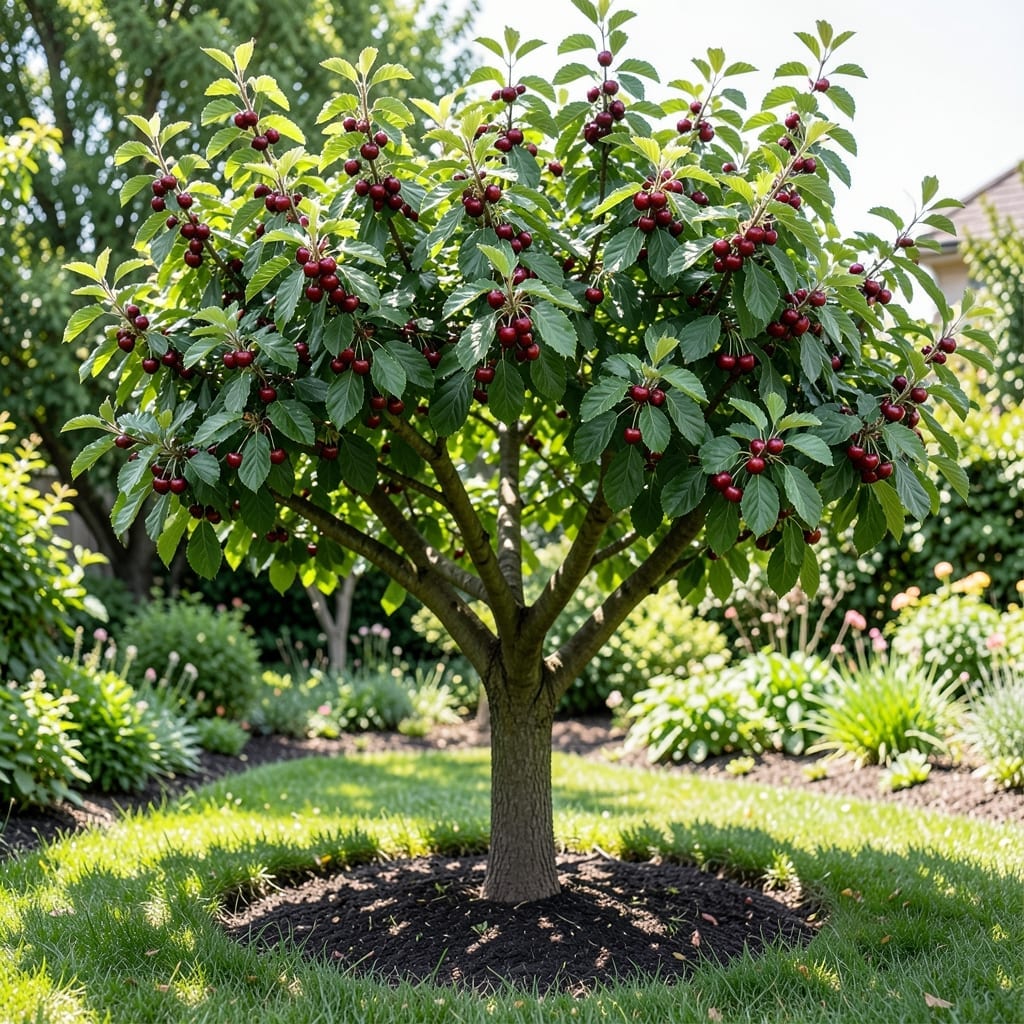
Nothing beats the joy of biting into a juicy cherry picked straight from your own 🌳 Cherry Tree. But did you know that sunlight is the secret ingredient to those sweet, abundant harvests?
Getting the light requirements right can make or break your cherry growing success. Too little sun, and you’ll end up with sparse foliage and disappointing fruit.
I’ve learned through experience that 6-8 hours of direct sunlight daily is the sweet spot for most varieties. This ensures robust growth and the best possible fruit quality.
Discover how to optimize sunlight for your Cherry Tree, regardless of your climate or garden layout. Let’s set you up for a thriving, fruit-filled season.

Cherry trees are sun-loving plants that need plenty of light to produce sweet, abundant fruit. Most varieties thrive with full sun exposure, which means at least 6-8 hours of direct sunlight daily for optimal growth and fruiting.
However, the exact sunlight requirements can vary depending on the cherry tree type. Sweet cherries, tart cherries, and dwarf varieties each have slightly different needs that influence their performance in your garden.
| Variety | Sunlight Needs | Notes |
|---|---|---|
| Sweet Cherry | 8+ hours of direct sun | Needs maximum sun for sweetest fruit |
| Tart Cherry | 6-8 hours of direct sun | More tolerant of partial shade |
| Dwarf Cherry | 6+ hours of direct sun | Compact size fits smaller sunny spaces |
For sweet cherry varieties like Bing or Rainier, I recommend prioritizing the sunniest spots in your yard. These trees produce the best fruit quality when they receive at least 8 hours of sunlight each day.
Tart cherries, such as Montmorency, are slightly more adaptable to partial shade. They can manage with 6-8 hours of sun, making them a great choice for gardens with some afternoon shade from buildings or other trees.
Dwarf cherry trees are ideal for smaller gardens or container growing. While they still need full sun, their compact size allows them to thrive in balcony gardens or patios with adequate sunlight. Just ensure they’re not overshadowed by taller plants.
In cooler climates, cherry trees benefit from south-facing positions that capture the most warmth. In hotter regions, a bit of afternoon shade can protect the fruit from sunscald, especially during heatwaves.
If your garden has limited sun, consider planting tart varieties or positioning reflective surfaces like white fences or mulch to maximize light exposure. Even small improvements in sunlight can lead to better fruit set and healthier trees.
Remember that young cherry trees are more sensitive to shade stress. As they mature, they become more tolerant of varying light conditions, but consistent sunlight is key for establishing strong growth in the early years.
Finally, monitor your trees throughout the growing season. If you notice sparse foliage or poor fruit production, it might be a sign they need more direct sunlight to reach their full potential.
☀️If your cherry tree isn’t thriving, sunlight deprivation might be the culprit. Without enough light, trees struggle to photosynthesize, leading to weak growth and poor fruit production. Recognizing the signs early can save your harvest.
Look for yellowing leaves, sparse foliage, or small, pale cherries. These are classic indicators of insufficient sunlight. The tree may also produce fewer blooms in spring, directly impacting your summer yield.
⚠️ Warning: Sunlight Deficiency
Cherry trees need 6-8 hours of direct sunlight daily. Less than this can cause stunted growth, leaf drop, or no fruit. Act fast to relocate or prune nearby shade sources.
Another red flag is elongated branches with few leaves. This happens when the tree stretches toward light, a condition called etiolation. It’s a survival tactic but weakens the tree over time.
Check the trunk and branches too. Thin, spindly growth suggests the tree isn’t getting the energy it needs. In severe cases, you might notice mold or mildew, as poor sunlight reduces airflow.
To fix the issue, prune overhanging branches or relocate potted trees to sunnier spots. If planting new trees, choose a south-facing location with minimal shade. Even dwarf varieties need full sun for optimal fruit.
Remember, morning sun is most beneficial, as it helps dry dew quickly, reducing disease risk. If your garden has limited light, consider tart cherries, which tolerate partial shade better than sweet varieties.
With the right adjustments, your cherry tree can bounce back and reward you with a lush, productive canopy 🌳