
Beautiful Plants For Your Interior
Beautiful Plants For Your Interior
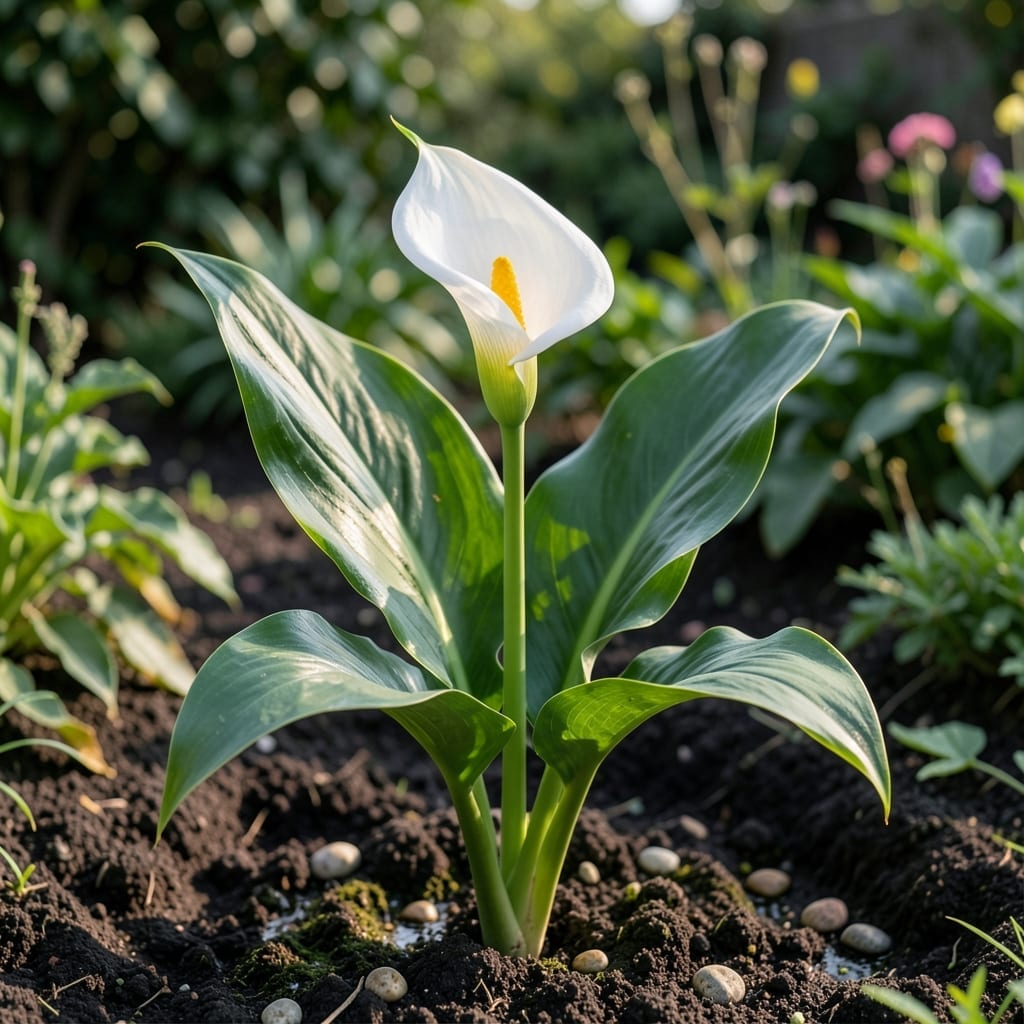
Calla lilies bring elegant, trumpet-shaped blooms to gardens, but their light requirements often confuse growers. Getting the sunlight balance right is key to vibrant flowers and healthy foliage.
The 🌸 Calla Lily thrives in different conditions depending on your climate. Whether you’re in a hot southern zone or a cooler northern area, understanding these needs makes all the difference.
Let me walk you through how to provide the ideal light for your calla lilies to flourish. You’ll be rewarded with stunning blooms that last all season long.

Calla lilies thrive in partial shade to full sun, but the ideal balance depends on your climate. In cooler zones, they can handle 6 hours of direct sunlight daily without stress.
However, in hotter regions like USDA zones 9-10, they prefer morning sun with afternoon shade to prevent leaf scorch. This adaptability makes them versatile for many gardens.
| Climate Zone | Ideal Sunlight | Notes |
|---|---|---|
| Zones 3-7 (Cooler) | Full sun | 6+ hours daily, tolerates heat |
| Zones 8-10 (Hot) | Partial shade | Morning sun, afternoon shade |
| Containers | Bright indirect | East/west window, 4-6 hours |
In northern climates, calla lilies often benefit from full sun exposure. The cooler temperatures prevent the leaf burn that can occur in intense heat. I’ve seen them flourish in Zone 6 gardens with all-day sunlight.
For southern gardeners, the story changes. Here, the intense afternoon sun can be too harsh. I recommend planting them where they’ll get dappled shade during the hottest part of the day.
Container growing offers flexibility. You can move pots to follow the ideal light conditions as seasons change. A west-facing balcony often provides the perfect amount of sunlight.
Remember that microclimates in your garden matter too. A spot near a light-colored wall might reflect extra heat, while a shady corner could be too dim. Observe your space throughout the day.
If you’re unsure, start with 4-6 hours of sun and adjust based on your plants’ response. Calla lilies are forgiving and will often tell you what they need through their growth patterns.
In my experience, morning sun is always the safest bet. It’s less intense and gives plants time to photosynthesize before the heat peaks. This approach works well across most climate zones.
Don’t forget that seasonal changes affect light exposure. What’s perfect in spring might be too much by summer. Be prepared to adjust as the year progresses.
☀️Your calla lilies will show clear signs when sunlight isn’t ideal. Leggy stems and fewer blooms often mean they’re hungry for more light. This is common in shady spots.
On the flip side, brown leaf edges or scorched foliage scream too much sun. I’ve seen this happen in hot afternoon light without shade relief. The leaves literally crisp at the tips.
I notice yellowing leaves can indicate both problems. In shade, it’s from poor photosynthesis. In sun, it’s often heat stress. Check your light exposure first.
Morning observation is key. If your callas look perky at dawn but droop by noon, they’re likely getting too much afternoon sun. A simple shade cloth can work wonders.
For insufficient light, try moving them gradually. A sudden shift to full sun can shock them. I’ve had best results with weekly adjustments of 1-2 hours more light.
Remember that seasonal changes affect light intensity. What works in spring might need adjustment by summer’s peak. Stay observant and flexible with placement.
🌿