
Beautiful Plants For Your Interior
Beautiful Plants For Your Interior
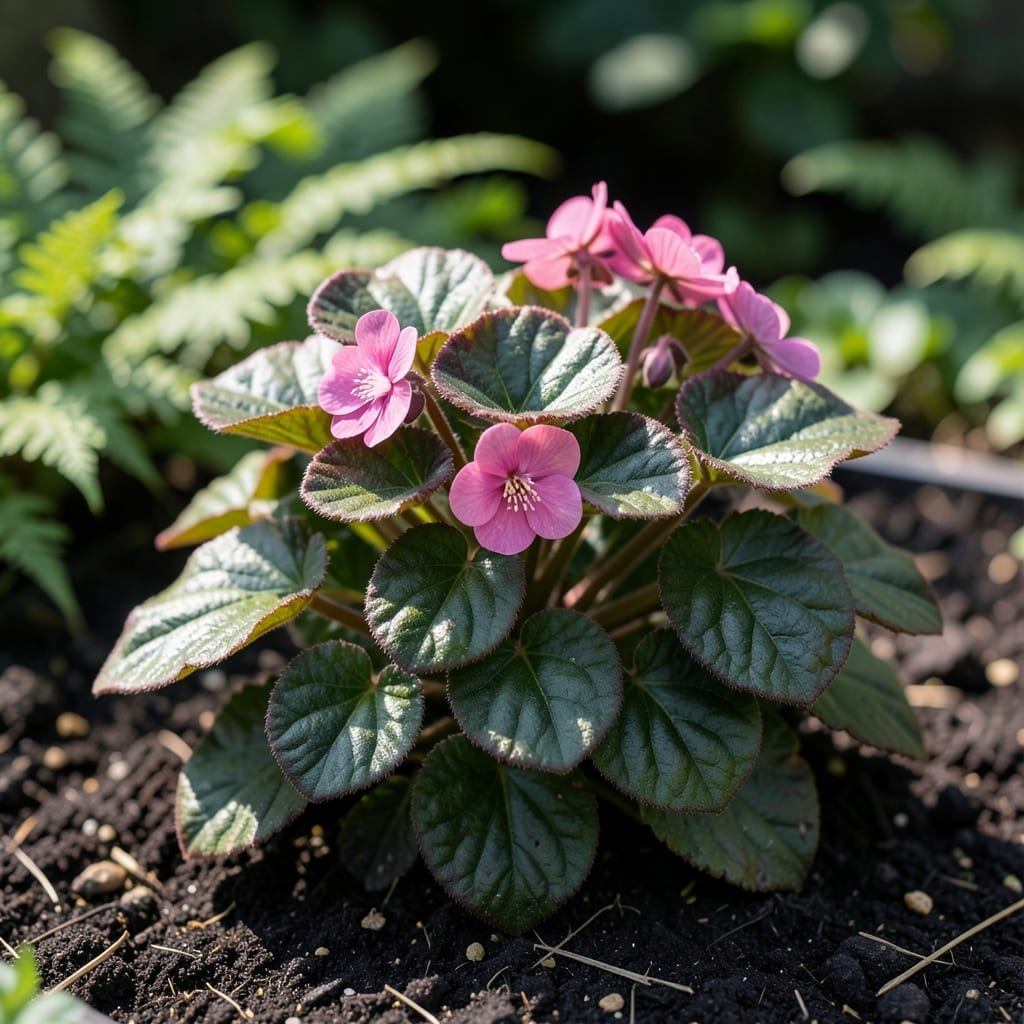
Begonias add vibrant color to gardens and homes, but their light needs can be confusing. Too much sun scorches their 🌸 leaves, while too little stunts their growth.
I’ve seen many gardeners struggle with getting it just right. The good news? With a few simple adjustments, you can create the perfect environment for your Begonias to thrive.
Let me walk you through the most important factors to consider when providing the ideal light for these beautiful plants.

Begonias aren’t one-size-fits-all when it comes to sunlight needs. Each variety thrives under slightly different light conditions, and understanding these nuances is key to success.
From my experience, fibrous begonias love morning sun but wilt under harsh afternoon rays. Meanwhile, tuberous types can handle a bit more brightness if the soil stays moist.
| Variety | Ideal Light | Notes |
|---|---|---|
| Fibrous | 4-6 hours morning sun | Avoid hot afternoon sun |
| Tuberous | 6 hours dappled light | Tolerates more sun if moist |
| Rex | Bright indirect | Never direct sunlight |
| Cane | Partial shade | East-facing windows ideal |
Rex begonias are the most light-sensitive. I’ve learned the hard way that even gentle morning sun can scorch their stunning foliage. They’re best kept in bright, indirect light indoors.
For outdoor planting, choose a spot with dappled shade under trees or a covered patio. This mimics their natural understory habitat, where they receive filtered light throughout the day.
If you’re growing begonias in containers, remember that potted plants dry out faster in sun. I recommend moving them to shade during the hottest part of the day, especially in summer months.
Cane begonias are the most adaptable. In my garden, they’ve thrived with 3-4 hours of morning sun followed by afternoon shade. Their upright growth habit makes them perfect for border planting.
Indoors, place your begonias near an east-facing window for gentle morning light. If that’s not an option, a north-facing window works well, though you might need to supplement with a grow light in winter.
Remember, seasonal changes affect light intensity. What works in spring might be too much by midsummer. I always adjust my plants’ positions as the seasons change.
With these tailored approaches, you’ll see healthier growth and more vibrant blooms from your begonias. It’s all about matching the light conditions to the specific variety. ☀️
Even with the best intentions, begonias often show stress signs when their light needs aren’t met. I’ve found that catching these early can save your plants from long-term damage.
Leaf scorch appears as brown, crispy edges on leaves, a clear sign of too much direct sun. This happens when intense light overwhelms the plant’s ability to process it.
Leaf Scorch: Brown, crispy leaf edges from too much sun
Leggy Growth: Tall, sparse stems reaching for light
Faded Blooms: Flowers lose color intensity in low light
Yellowing Leaves: Older leaves turn yellow from insufficient light
On the flip side, leggy growth—where stems become long and sparse—indicates your begonia isn’t getting enough light. The plant stretches toward any available light source, weakening its structure.
Faded blooms are another red flag. When begonias don’t receive adequate light, their flowers may appear washed out or fail to open fully. I’ve noticed this most often with tuberous begonias in shady spots.
Yellowing leaves, particularly on the lower parts of the plant, can signal both too little light or nutrient deficiencies. Check your light conditions first before assuming it’s a feeding issue.
For outdoor plants, watch for wilting in afternoon sun, even if the soil is moist. This often means the light is too intense. Moving them to a spot with dappled shade usually solves the problem.
Indoors, rotating your pots weekly ensures even growth. I do this with all my houseplant begonias to prevent them from growing lopsided toward the light source. 🌿