
Beautiful Plants For Your Interior
Beautiful Plants For Your Interior
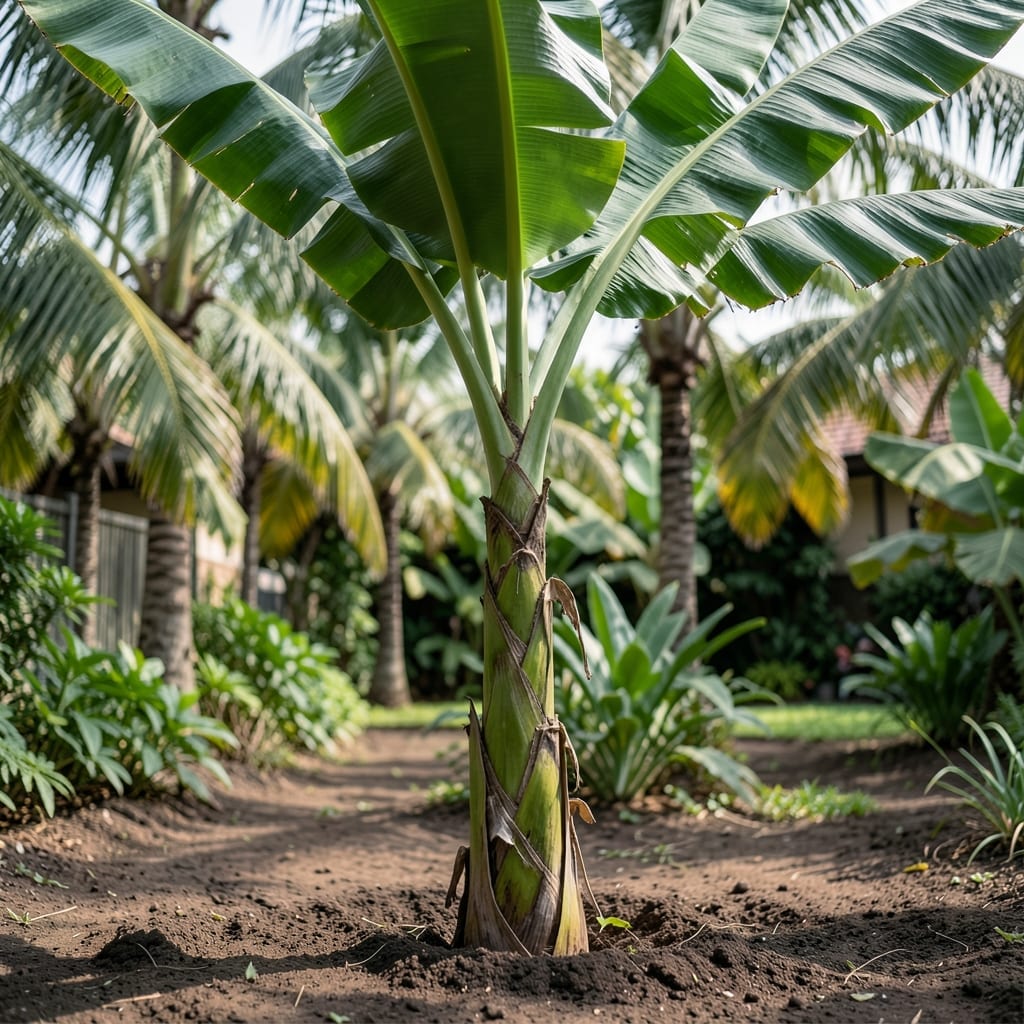
Banana trees thrive with the right sunlight, but too much or too little can stunt their growth. The 🍌 Banana Tree needs just the right balance to produce those sweet, creamy fruits we love.
Getting the light requirements wrong means smaller bunches or no fruit at all. I’ve seen it happen too many times—gardeners excited about their new tree, only to watch it struggle.
Discover how to give your Banana Tree the perfect amount of sun for healthy growth and a bountiful harvest. Let’s make sure yours gets it right.

If you want healthy banana trees that produce plenty of fruit, sunlight is non-negotiable. Most varieties need full sun to thrive, but the exact requirements can vary. I’ve grown several types, and each has its own sweet spot for light exposure.
Generally, banana trees need 6-8+ hours of direct sunlight daily. However, dwarf varieties may tolerate partial shade, while tropical types demand intense, all-day sun. Getting this right ensures strong growth and maximum fruit yield. ☀️
| cell” style=”background-color:#6fd544;color:#fff;font-weight:700;”>Daily Sun Needs | row”> | cell”>6-8 hours | row”> | cell”>8+ hours | row”> | cell”>8-10 hours | row”> | cell”>6-8 hours | row”> | cell”>6 hours minimum | Full sun, partial shade okay |
In my experience, Cavendish bananas are the most forgiving. They’ll grow with 6 hours of sun but produce more fruit with 8+ hours. If you’re in a hotter climate, afternoon shade can prevent leaf scorch.
Plantains are the sun worshippers of the bunch. They need 8-10 hours of direct light to develop their starchy fruits. Without enough sun, they’ll grow tall but won’t fruit well. I learned this the hard way with my first plantain tree!
For dwarf varieties like Dwarf Red or Dwarf Cavendish, 6 hours is the baseline. These are great for smaller gardens or patios where full sun isn’t available all day. Just ensure they get the most intense light during those hours.
If you’re growing banana trees in containers, rotate them regularly. This ensures even light distribution and prevents the tree from leaning toward the sun. I rotate mine every few days for the best results.
Remember, young banana trees are more sensitive. Start them with dappled sunlight and gradually increase exposure. This prevents sunburn on leaves while they acclimate. It’s a simple step that makes a big difference in their long-term health.
In tropical climates, banana trees can handle all-day sun. But in temperate zones, aim for morning sun and afternoon shade to protect them from extreme heat. This balance keeps them thriving without stress. 🌱
Finally, watch for signs of too much sun, like brown, crispy leaves. If this happens, provide temporary shade during the hottest part of the day. Your banana tree will thank you with lush, green growth and plenty of fruit!
Even with the best intentions, banana trees can suffer if they don’t get enough light. I’ve seen stunted growth and poor fruiting firsthand when sunlight is lacking. Recognizing the signs early can save your tree.
Look for yellowing leaves, especially on the lower part of the plant. This is often the first clue that your banana tree needs more sun. The leaves may also appear pale green instead of a vibrant, healthy shade. ☀️
⚠️ Warning: Light Deficiency Symptoms
Your banana tree may be sun-starved if you notice slow growth, small leaves, or no fruit production. These are clear signs it’s not getting the 6-8+ hours of daily sunlight it needs.
Slow growth is another red flag. If your tree isn’t putting out new leaves regularly or seems stagnant, check its light exposure. Banana trees in low-light conditions often grow tall and leggy as they stretch for the sun.
Perhaps the most frustrating sign is poor fruiting. Banana trees that don’t get enough sun may produce small bunches or no fruit at all. I’ve had trees that looked healthy but barely fruited until I moved them to a sunnier spot.
If you notice these symptoms, don’t panic. First, assess your tree’s current light conditions. Use a sunlight calculator or observe the area throughout the day to see how many hours of direct sun it receives.
To fix the issue, consider relocating your tree to a sunnier spot. If that’s not possible, prune nearby plants that might be casting shade. For container-grown trees, move the pot to a brighter location or use reflective surfaces to maximize light. 🌱