
Beautiful Plants For Your Interior
Beautiful Plants For Your Interior
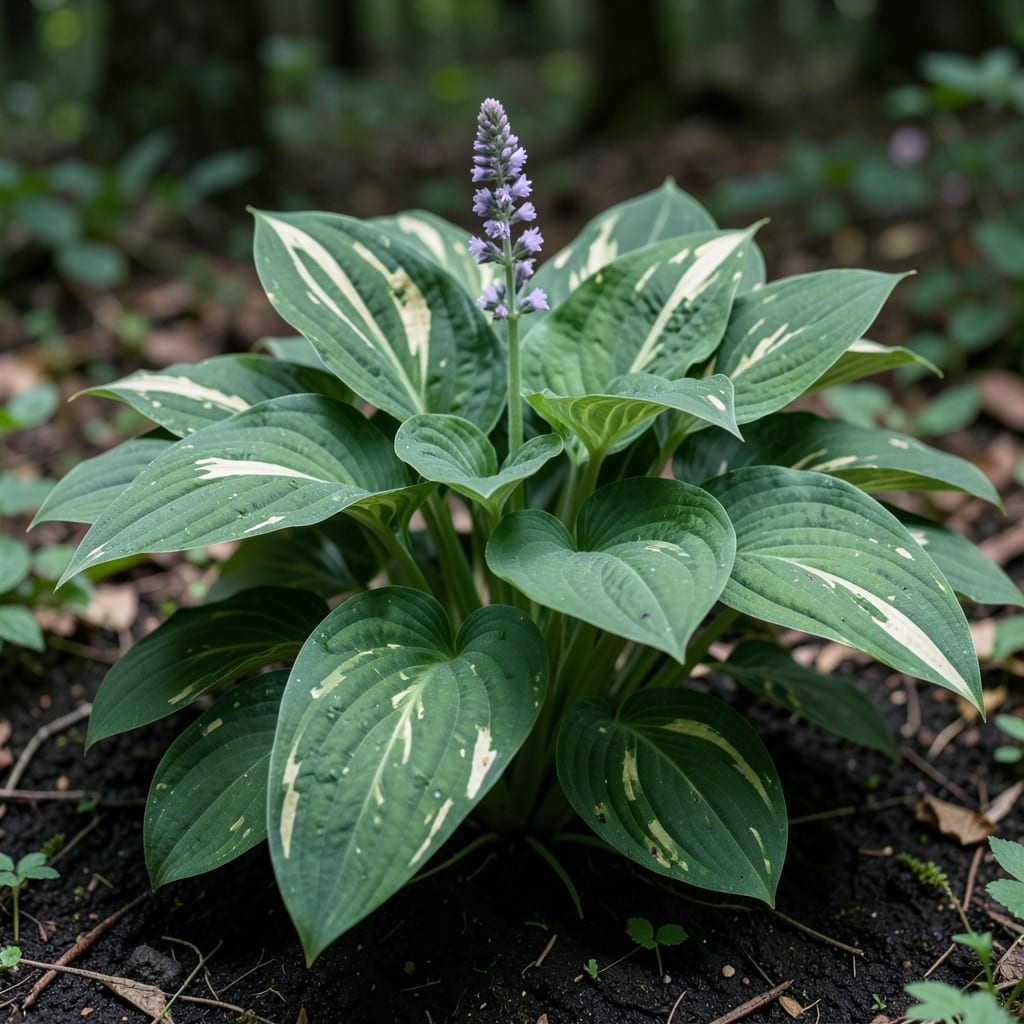
Hostas are the backbone of shade gardens, but many gardeners wonder just how much sun these 🌿 leafy favorites can handle without scorching. The answer might surprise you.
While they thrive in shade, some varieties can tolerate more sunlight than you’d expect. Understanding their limits is the key to lush, healthy foliage.
Discover which hosta types can handle sun, how to spot stress signs, and tips to help them flourish in your garden.

If you’ve ever admired a hosta’s lush leaves, you know these plants are shade garden superstars. But not all hostas are created equal when it comes to sun tolerance. Some varieties can handle more light than others without crisping up.
I’ve found that blue hostas often prefer the most shade, while gold varieties can sometimes tolerate more sun. The key is knowing your specific type and its needs.
| Variety | Sun Tolerance | Ideal Light |
|---|---|---|
| Blue Hostas | Low | Full to partial shade |
| Green Hostas | Moderate | Morning sun, afternoon shade |
| Variegated Hostas | Moderate | Dappled sunlight |
| Gold Hostas | Highest | 2-4 hours morning sun |
In my garden, I’ve noticed gold hostas like ‘August Moon’ can handle up to 4 hours of morning sun. Their bright foliage almost seems to glow in partial light. But push them into harsh afternoon sun, and you’ll see the damage quickly.
Blue hostas like ‘Halcyon’ are the most shade-loving. I keep mine in spots that get dappled light at most. Their powdery blue leaves can scorch if exposed to direct sunlight for more than an hour or two.
For green hostas, such as ‘Francee’, I aim for morning sun only. They can typically handle about 2-3 hours of gentle sunlight before needing shade protection. This balance keeps their leaves vibrant without causing stress.
Variegated varieties like ‘Patriot’ need careful placement. Their white edges are particularly sensitive to sunburn. I find they do best with filtered light throughout the day or morning sun followed by afternoon shade.
Remember, even sun-tolerant hostas need consistent moisture. In my experience, well-hydrated plants handle light stress better. I always mulch around my hostas to retain soil moisture, especially during hotter months.
If you’re unsure about your hosta’s variety, start with less sun and gradually increase exposure. Watch for signs of stress like brown leaf edges or bleached centers, which we’ll cover in the next section. ☀️
Another tip: younger plants are more sensitive to sun than established ones. I give my new hosta plantings extra shade for their first growing season to help them establish strong root systems.
Even with the best intentions, hostas can get more sunlight than they can handle. I’ve learned to watch for subtle warning signs before the damage becomes severe. Catching these early can save your plants from lasting harm.
In my garden, I check my hostas regularly for any changes in their leaves. The first sign I look for is brown or crispy leaf edges, which often appear when they’re getting too much direct sunlight.
The most common sign I see is bleached centers on the leaves. This happens when the chlorophyll breaks down due to excessive light. My ‘Blue Angel’ hostas developed this last summer when I moved them to a sunnier spot.
Wilting leaves can be tricky because they also indicate underwatering. But if your soil is moist and leaves still droop during the hottest part of the day, it’s likely too much sun. I’ve found this especially true for variegated varieties.
Another telltale sign is yellowing between the veins of the leaves. This interveinal chlorosis often appears before the edges brown. I noticed this on my ‘Francee’ hostas when they got more than their preferred 2-3 hours of morning sun.
If your hosta leaves start feeling thin and papery, that’s a late sign of sun stress. The leaves lose their normal thickness and develop a almost translucent appearance. I’ve had to rescue several plants that reached this stage by moving them to shade immediately.
When I spot any of these signs, I take action quickly. Moving the plant to shade and increasing water can often reverse early damage. For severe cases, I’ll even use a shade cloth to filter the light while the plant recovers. 🌿