
Beautiful Plants For Your Interior
Beautiful Plants For Your Interior
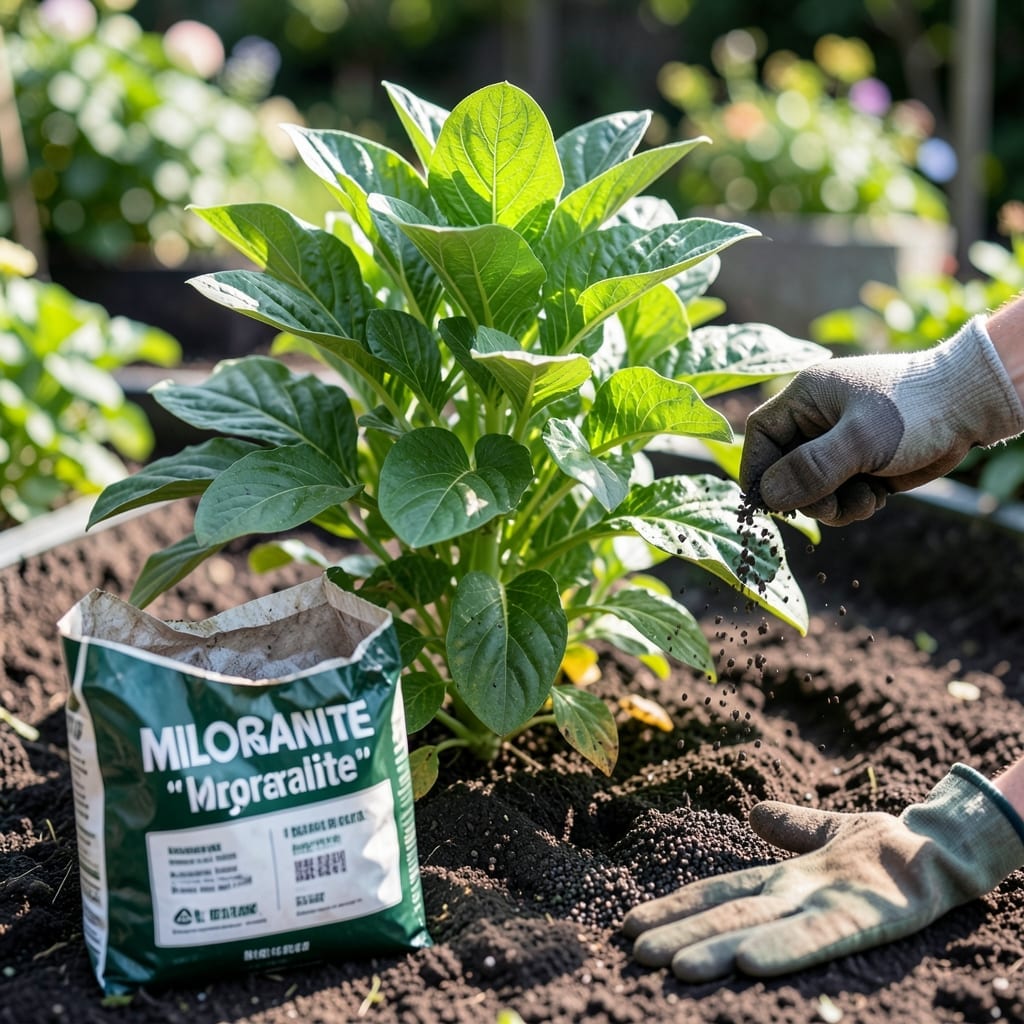
Using the right amount of Milorganite can make the difference between thriving 🌱 General Plants and wasted effort. This slow-release fertilizer is a gardener’s favorite for a reason.
But here’s the catch: even the best fertilizer can harm your plants if you overdo it. Precision matters when feeding your garden.
I’ll show you exactly how to measure and apply Milorganite for optimal results, whether you’re tending to vegetables, flowers, or shrubs. Let’s get it right.

Getting the right amount of Milorganite is key to healthy growth. This slow-release organic fertilizer feeds plants gently but consistently over time.
Different plants have varying nutrient needs. What works for vegetables won’t always suit shrubs or lawns, so precision matters.
| Plant Type | Application Rate | Frequency |
|---|---|---|
| Vegetables | 1/2 cup per plant | Every 4-6 weeks |
| Flowers | 1/4 cup per plant | Every 6-8 weeks |
| Shrubs | 1 cup per shrub | Every 8-10 weeks |
| Trees | 1 lb per inch of trunk diameter | Once per growing season |
| Lawns | 32 lbs per 2,500 sq ft | Every 8-10 weeks |
For vegetable gardens, I recommend using 1/2 cup of Milorganite per plant at planting. This ensures a strong start without overwhelming young roots.
Flowers like roses or perennials do well with 1/4 cup per plant. They need less nitrogen than vegetables but still benefit from steady feeding.
Shrubs such as hydrangeas or azaleas thrive with 1 cup per shrub. Apply it around the drip line for best absorption.
Trees require a more substantial dose. Use 1 lb of Milorganite per inch of trunk diameter annually. This supports robust growth and overall health.
For lawns, spread 32 lbs per 2,500 sq ft evenly. This rate promotes lush green grass without burning the turf.
Always water thoroughly after applying Milorganite. This helps activate the nutrients and prevents them from sitting on the surface.
Remember, Milorganite is slow-release, so you won’t see immediate results. But over 4-8 weeks, your plants will show improved vigor.
Adjust these rates based on soil tests or specific plant needs. When in doubt, less is more with fertilizers.
I’ve found that following these guidelines leads to healthier plants and a more productive garden overall.
Applying Milorganite properly ensures your plants get the right nutrients without waste. This slow-release fertilizer works best when used correctly.
Timing and technique matter just as much as the amount of Milorganite. I’ll walk you through the best practices for application.
I always start by testing my soil to see what’s missing. This helps me adjust Milorganite amounts for the best results.
Use a measuring cup for accuracy. For vegetables, 1/2 cup per plant is ideal. For shrubs, 1 cup per plant works well.
Spread the fertilizer evenly around the base but avoid piling it against stems. This prevents root burn and ensures even distribution.
After applying, water deeply to help the granules break down. Milorganite needs moisture to release nutrients effectively.
Apply in the early morning to reduce evaporation and give plants all-day access to the fertilizer.