
Beautiful Plants For Your Interior
Beautiful Plants For Your Interior
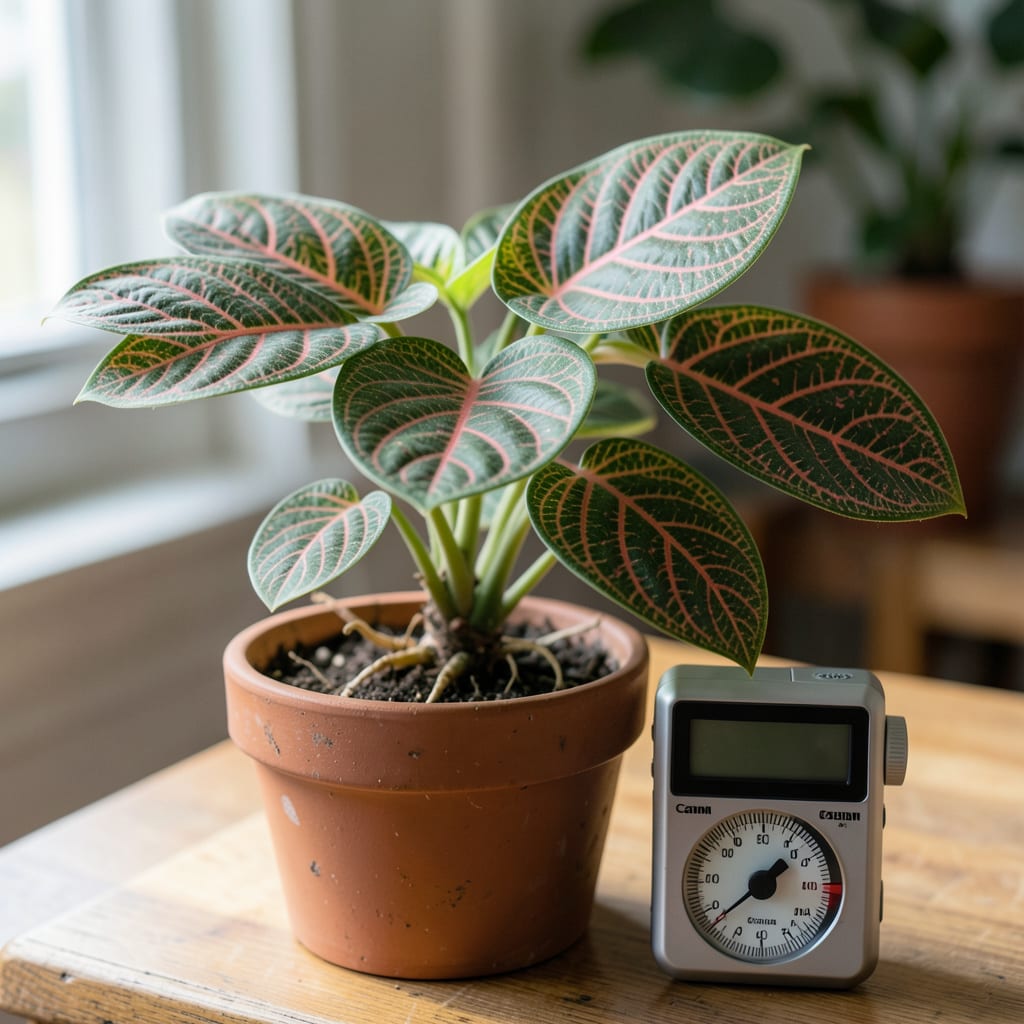
As a plant enthusiast, I’ve learned that Prayer Plants 🪴 are stunning additions to any indoor space, but their light requirements can be tricky to navigate. Too little light, and they struggle to thrive; too much, and they get scorched.
So, how much light does your Prayer Plant really need? Let’s dive into the specifics of providing the right amount of light for these beautiful plants to flourish in your home.
 Best Window Placement
Prayer plants are known for their beautiful foliage and unique leaf movements, making them a popular choice for indoor gardening. To keep these plants thriving, it’s essential to understand their light requirements. Prayer plants need bright, indirect light to photosynthesize and maintain their vibrant colors.
The ideal light condition for prayer plants is east- or west-facing windows, where they can receive 4-6 hours of indirect sunlight daily. This type of light exposure promotes healthy growth and prevents the leaves from getting scorched 🌞.
When it comes to light intensity, prayer plants prefer bright conditions without direct sunlight. Direct sunlight can cause the leaves to become scorched, leading to brown spots and damage. To achieve the perfect light balance, you can place your prayer plant near an east- or west-facing window, where the sunlight is filtered and gentle 🌿.
It’s also important to consider the duration of light exposure. Prayer plants need a consistent 4-6 hours of light per day. If you’re unsure about the light conditions in your home, you can use a light meter to measure the intensity and adjust accordingly.
Some other factors to consider when evaluating light requirements for prayer plants include:
By understanding and meeting the light requirements of your prayer plant, you can ensure it remains healthy and continues to display its beautiful foliage. In the next section, we’ll explore practical tips on how to provide the right amount of light for your prayer plant 🌟.
To summarize, prayer plants thrive in bright, indirect light with 4-6 hours of exposure daily. Proper light conditions are crucial for maintaining their vibrant colors and overall health 🌿.
For optimal growth, maintain a consistent light schedule and avoid extreme light conditions. This will help your prayer plant flourish and maintain its unique beauty 🌱.
By following these guidelines, you can create an ideal environment for your prayer plant to thrive and enjoy its stunning foliage for years to come 🌸.
Now that we’ve explored the ideal light conditions for prayer plants, let’s dive into practical tips on how to provide the right amount of light for your plant. Proper placement and adjustment of light exposure are crucial for maintaining your prayer plant’s health and vibrant colors 🌿.
One effective way to ensure your prayer plant receives the right amount of light is by placing it near an east- or west-facing window. These windows provide bright, indirect light that’s perfect for prayer plants. If you don’t have an east- or west-facing window, you can also use sheer curtains to filter the direct sunlight from south-facing windows 🔆.
To maximize light exposure, rotate your prayer plant every 1-2 weeks to ensure even growth and prevent leaning towards the light source 🔄.
In addition to proper window placement, you can also consider using grow lights to supplement natural light, especially during the winter months or in low-light environments. When using grow lights,
It’s also essential to monitor your plant’s response to the light it’s receiving. If you notice signs of too little light, such as leggy growth or pale leaves, you may need to adjust its placement or supplement with grow lights. Conversely, if the leaves are getting scorched, you may need to filter the light more or move the plant further away from the window 🌞.
By following these practical tips and being mindful of your prayer plant’s light needs, you can create an optimal environment for it to thrive and enjoy its beautiful foliage for years to come 🌸.
To recap, providing the right amount of light for your prayer plant involves strategic placement, monitoring its response, and making adjustments as needed. With a little attention and care, your prayer plant will continue to flourish and bring beauty to your indoor space 🌿.
For best results, maintain a consistent light schedule and keep your prayer plant in a spot with bright, indirect light. This will help ensure it remains healthy and continues to display its unique beauty 🌱.
By implementing these strategies, you can provide your prayer plant with the right amount of light it needs to thrive and enjoy its stunning foliage for years to come 🌻.
Prayer plants are sensitive to light conditions, and improper lighting can lead to several common issues. Understanding these problems and how to address them is crucial for maintaining your plant’s health 🌿.
One of the most common issues is leaf scorch, which occurs when the plant receives too much direct sunlight. This can cause the leaves to develop brown spots or become completely scorched 🔥.
Too much direct sunlight can cause irreversible damage to your prayer plant’s leaves. Monitor your plant’s condition closely and adjust its placement as needed ⚠️.
On the other hand, too little light can cause leggy growth and pale leaves. If your prayer plant is not receiving enough light, it may become stretched out and lose its vibrant colors 🌟.
To address these issues, you can adjust the plant’s placement or use grow lights to supplement natural light. It’s also essential to monitor your plant’s response to the light it’s receiving and make adjustments accordingly 📝.
Some other common light-related issues include:
By being aware of these potential issues and taking steps to address them, you can help your prayer plant thrive and maintain its beautiful foliage 🌸.
To summarize, common light-related issues in prayer plant care include leaf scorch from too much direct sunlight and leggy growth from too little light. Proper monitoring and adjustments can help prevent these problems 🌿.
For optimal results, maintain a consistent light schedule and keep your prayer plant in a spot with bright, indirect light. This will help ensure it remains healthy and continues to display its unique beauty 🌱.
Prayer plants thrive in bright, indirect light, making east- or west-facing windows ideal. They need 4-6 hours of light daily for healthy growth and vibrant colors .
No, direct sunlight can cause leaf scorch and damage. It’s best to filter direct sunlight with sheer curtains or place the plant near an east- or west-facing window .
You can use grow lights to supplement natural light, especially during winter months or in low-light environments. This helps maintain the plant’s health and vibrant colors .
Too little light can cause leggy growth and pale leaves, while too much light can lead to leaf scorch and brown spots. Monitor your plant’s condition and adjust its placement accordingly .
