
Beautiful Plants For Your Interior
Beautiful Plants For Your Interior
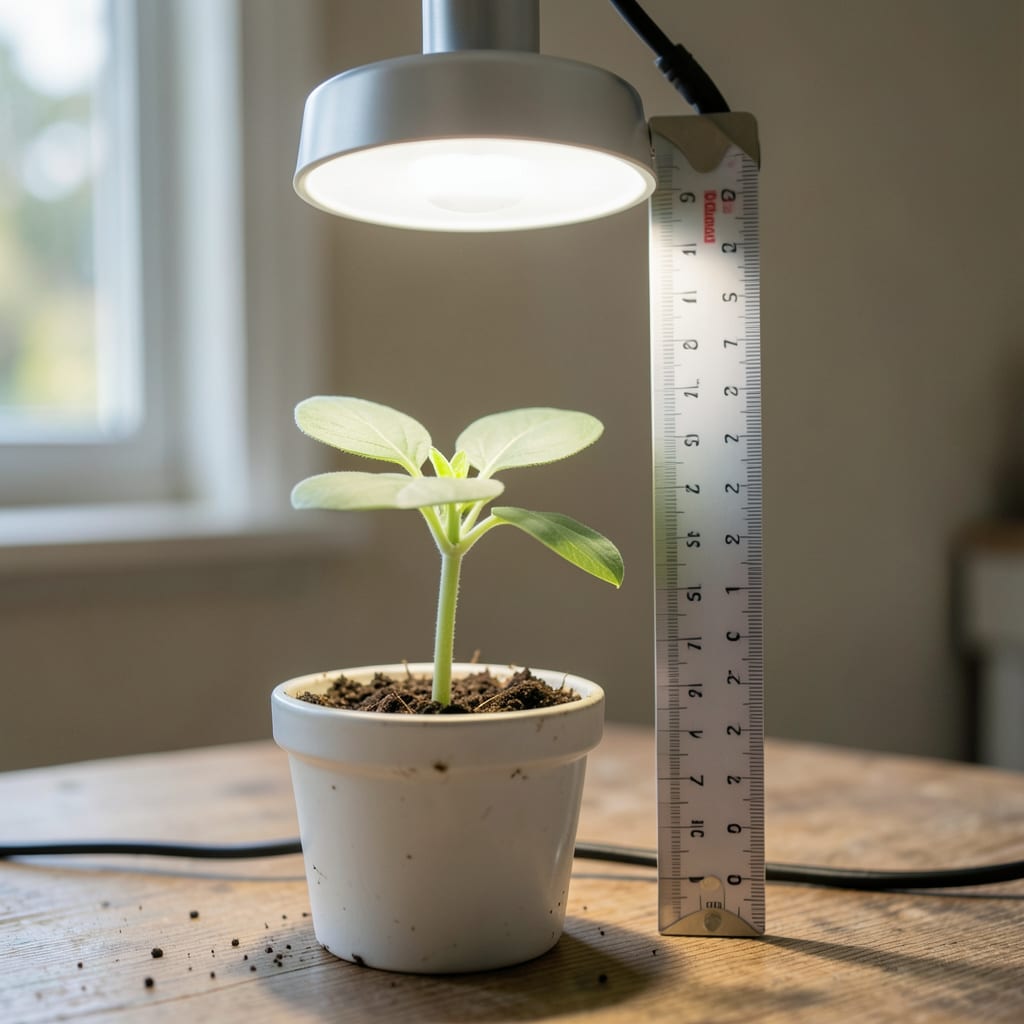
Growing Tomato 🍅 plants requires understanding their light needs. Too little light can lead to weak growth, while too much can cause stress.
In USDA Zone 6, Tomato plants need 6+ hours of direct sunlight daily. I’ll guide you through providing the right amount of light for healthy growth, whether you’re growing indoors or outdoors.
 Best Window Placement
Understanding how much light your plants need is crucial for their health and growth. Different plants have varying light requirements based on their species, growth stage, and environmental conditions.
The amount of light a plant needs can significantly impact its development. For example, plants like Tomatoes 🍅 require full sun, meaning they need at least 6 hours of direct sunlight daily. In contrast, plants like Chinese Evergreen thrive in low-light conditions, making them perfect for indoor spaces with limited natural light 🌿.
When determining the light requirements for your plants, consider factors such as the plant’s natural habitat, its growth stage, and the time of year. For instance, plants that are native to tropical regions may require more light than those from temperate zones 🌴.
Here’s a breakdown of light requirements for different plant types:
Understanding these requirements helps you choose the right plants for your space and ensure they receive the appropriate amount of light 🌻.
For plants that require full sun, placing them in a south-facing window or using grow lights can help meet their light needs. On the other hand, plants that prefer low light should be kept away from direct sunlight to prevent scorching 🔥.
It’s also essential to monitor your plants’ responses to their light conditions. If a plant is not getting enough light, it may become leggy or weak. Conversely, too much light can cause leaf scorch or stress 🌟.
Adjusting the light levels for your plants can be as simple as moving them to a different location or using shades to filter the sunlight. For indoor plants, using LED grow lights can provide the necessary spectrum and intensity 💡.
By understanding and meeting the light requirements of your plants, you can promote healthy growth and maximize their potential 🌱.
Different plants have different light needs, and understanding these needs is key to successful gardening. Whether you’re growing vegetables, herbs, or ornamental plants, providing the right amount of light is crucial 🌼.
In conclusion, determining the right amount of light for your plants involves understanding their specific needs based on their type and environmental conditions. By providing the appropriate light levels, you can ensure your plants thrive and remain healthy 🌻.
Understanding how to measure and adjust light levels is crucial for ensuring your plants receive the right amount of light for optimal growth. Different plants have varying light requirements, and being able to measure and adjust light levels can make a significant difference in their health and productivity 🌿.
To measure light levels, you can use a light meter, which provides an accurate reading of the light intensity in a given area. This tool is particularly useful for indoor gardening, where light conditions can be more challenging to assess 💡.
For plants requiring full sun, consider using LED grow lights to supplement natural light, especially during periods of low sunlight ☀️.
When adjusting light levels, it’s essential to consider the specific needs of your plants. For example, plants that require full sun need at least 6 hours of direct sunlight daily. If this isn’t possible naturally, supplemental lighting can help 🌻.
For indoor plants, placing them near a south-facing window can provide the necessary light. If natural light is insufficient, using grow lights can be an effective solution. It’s also important to monitor your plants’ responses to their light conditions and make adjustments as needed 🔍.
If a plant is not getting enough light, it may become leggy or weak. Conversely, too much light can cause leaf scorch or stress. Adjusting the light levels can be as simple as moving the plant to a different location or using shades to filter the sunlight 🌟.
By understanding how to measure and adjust light levels, you can ensure your plants receive the optimal amount of light for healthy growth and productivity 🌱.
Regularly checking your plants’ light conditions and making necessary adjustments will help promote their overall health and maximize their potential 🌼.
In conclusion, measuring and adjusting light levels is a critical aspect of plant care. By using the right tools and techniques, you can provide your plants with the light they need to thrive 🌻.
Light-related issues can significantly impact plant health. Too little light can lead to weak growth, while too much can cause scorching and stress. Understanding these problems is crucial for maintaining healthy plants 🌱.
One common issue is leggy growth, which occurs when plants don’t receive enough light. This can be addressed by moving plants to a brighter location or using supplemental lighting like LED grow lights 💡.
Be cautious of overexposure to direct sunlight, which can cause leaf scorch. Use shades or adjust plant placement to prevent damage 🔥.
Another issue is leaf scorch, caused by too much direct sunlight. This can be prevented by using shades or moving plants to a location with filtered sunlight 🌻.
To prevent light-related problems, it’s essential to understand the specific light needs of your plants. Research the ideal light conditions for each plant species and adjust their placement accordingly 🔍.
Regular monitoring of your plants’ responses to light conditions is also crucial. If you notice any signs of stress or weak growth, make adjustments to their light exposure 🌟.
By understanding and addressing common light-related problems, you can ensure your plants remain healthy and thrive 🌱.
In summary, being aware of the potential issues caused by improper light exposure and taking steps to address them is key to successful plant care 🌼.
Using a light meter is the most accurate way to measure light intensity. This tool helps determine if your plants are receiving the right amount of light. For most plants, you’ll want to measure the light in the area where they’ll be placed.
Yes, you can use LED grow lights or other types of grow lights to supplement natural light. This is especially helpful for plants that require a lot of light, like Tomatoes.
How do I know if my plants are getting too much or too little light? Watch for signs like leggy growth (too little light) or leaf scorch (too much light). Adjust the light levels accordingly by moving the plant or using shades to filter the sunlight. Regular monitoring will help you find the right balance for your plants.
No, most plants need a period of darkness. Typically, 12-14 hours of light per day is sufficient. Using a timer can help you maintain a consistent light schedule, ensuring your plants get the rest they need.
