
Beautiful Plants For Your Interior
Beautiful Plants For Your Interior
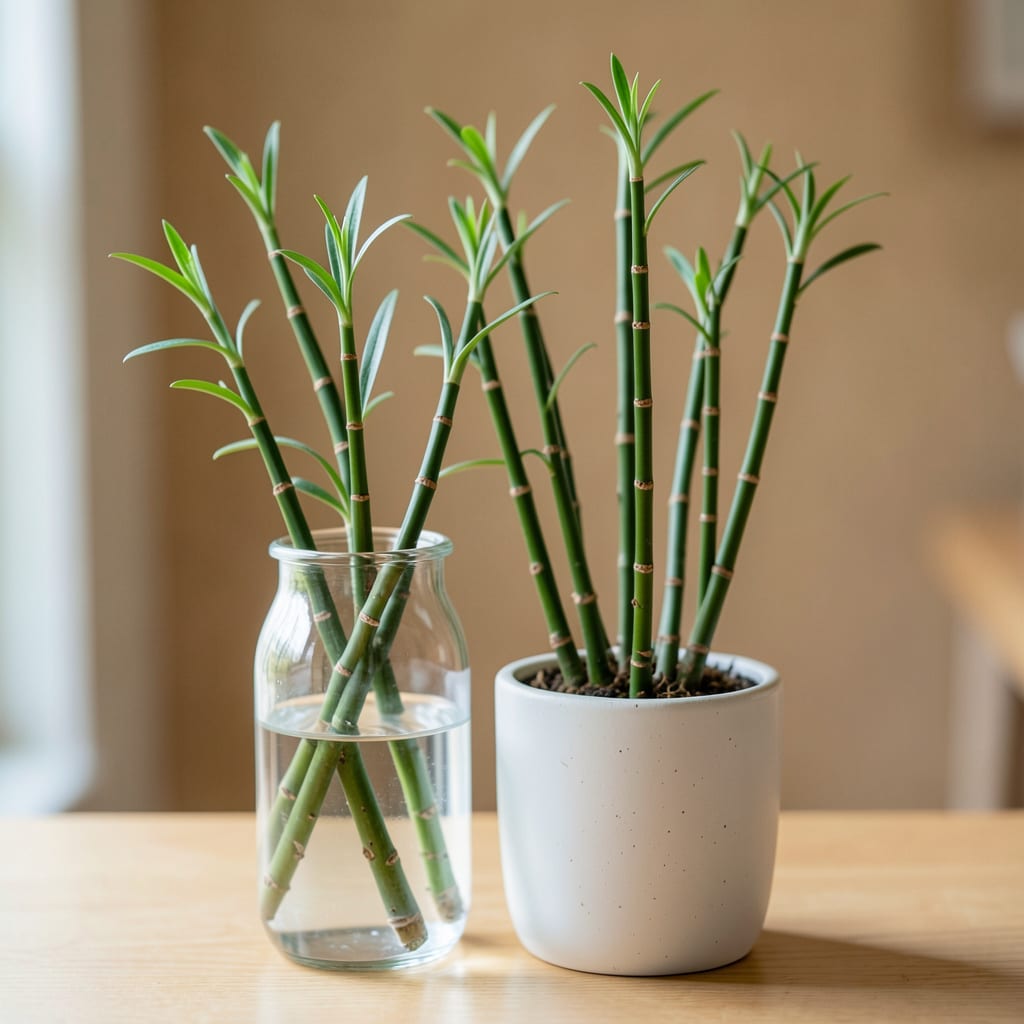
Growing bamboo 🌿 can be a rewarding experience, but it requires understanding its specific needs. One crucial factor is light – too little or too much can significantly impact your plant’s health and growth.
Let’s explore the ideal lighting conditions for bamboo plants and how to achieve them in your growing space, whether you’re in USDA Zone 6 or another region.
 Best Window Placement
Bamboo plants generally require bright, indirect light to thrive, with most species needing 4-6 hours of filtered sunlight daily. The ideal light conditions can vary depending on the bamboo species, with some tolerating more shade or sun than others 🌿.
Understanding the specific light needs of your bamboo is crucial for its health and growth. Factors such as the plant’s origin, whether it’s grown indoors or outdoors, and the local climate all play a role in determining the optimal lighting conditions.
The light intensity for bamboo plants is generally considered moderate to bright. While some species can tolerate full sun, others prefer partial shade. It’s essential to research the specific needs of your bamboo variety to ensure you’re providing the right amount of light 🔥.
Outdoor bamboo plants can benefit from morning sun and afternoon shade, especially in warmer climates. This helps prevent leaf scorch while still providing sufficient light for photosynthesis.
For indoor bamboo plants, it’s crucial to balance light provision with the potential for overheating. Using sheer curtains or shade cloth can help filter intense sunlight and maintain optimal conditions.
Different bamboo species have varying light requirements. For example, tropical bamboo generally prefers more shade, while some temperate species can tolerate full sun if kept well-watered 🌟.
Observing your bamboo’s response to its lighting conditions is key. If the leaves appear pale or scorched, it may be receiving too much light. Conversely, if the growth is leggy or sparse, it might not be getting enough 💡.
Adjusting the lighting for your bamboo might involve moving it to a different location, using shade cloth, or supplementing with artificial lighting. Regular monitoring will help you fine-tune the light exposure to meet your plant’s needs.
By understanding and providing the optimal light conditions, you can promote healthy growth and maximize the benefits of growing bamboo in your space 🌱.
Providing the right amount of light for your bamboo plant is crucial for its health and growth. Most bamboo species require bright, indirect light, typically needing 4-6 hours of filtered sunlight daily 🌿.
The ideal lighting conditions can vary depending on the bamboo species and whether it’s grown indoors or outdoors. Understanding these needs is key to creating an optimal growing environment.
For indoor bamboo, use sheer curtains or shade cloth to filter intense sunlight and maintain optimal conditions.
For outdoor bamboo plants, positioning is critical. Morning sun and afternoon shade are ideal, especially in warmer climates, to prevent leaf scorch while providing sufficient light for photosynthesis 🌞.
Artificial lighting can be used to supplement natural light, especially during shorter winter days. LED grow lights are a popular choice as they provide the necessary spectrum without generating excessive heat 💡.
When using supplemental lighting, maintain a distance of 12-18 inches between the light source and the bamboo to prevent burning. Adjust the duration based on the natural light availability 🌟.
Regular monitoring of your bamboo’s response to lighting conditions is essential. If leaves appear pale or scorched, adjust the light exposure accordingly 🔍.
By implementing these strategies, you can ensure your bamboo receives the right amount of light for optimal growth and health 🌱.
Key considerations include the specific bamboo species, local climate, and whether the plant is grown indoors or outdoors. Adjusting these factors will help you provide the best possible lighting conditions 🌿.
When growing bamboo plants, it’s essential to avoid common lighting mistakes that can impact their health and growth 🌱.
One of the most significant errors is exposing bamboo to direct sunlight for extended periods, which can cause leaf scorch and damage the plant 🔥.
Avoid placing bamboo in areas with intense direct sunlight without proper filtration, as this can cause irreversible damage to the leaves.
Another mistake is not providing enough light, leading to leggy growth and weak, spindly stalks 💡.
Bamboo plants generally require bright, indirect light to thrive, so it’s crucial to strike a balance between providing sufficient light and avoiding direct sun exposure 🌿.
Monitoring your bamboo’s response to its lighting conditions is key to avoiding these mistakes. If you notice signs of stress, such as yellowing leaves or scorched tips, adjust the lighting accordingly 🔍.
By being aware of these common lighting mistakes and taking steps to avoid them, you can help ensure your bamboo plants remain healthy and thrive 🌱.
Regular observation and adjustments will help you provide the optimal lighting conditions for your bamboo, promoting robust growth and maximizing its benefits 🌟.
Bamboo plants generally require 4-6 hours of bright, indirect light daily. The ideal duration can vary depending on the species and growing conditions. Some bamboo varieties can tolerate more or less light, so it’s essential to research your specific plant’s needs.
Most bamboo plants prefer bright, indirect light rather than direct sunlight. Direct sun exposure for extended periods can cause leaf scorch and damage the plant. If you must place your bamboo in direct sunlight, use sheer curtains or shade cloth to filter the light.
You can use LED grow lights to supplement natural light, especially during shorter winter days. Maintain a distance of 12-18 inches between the light source and the bamboo to prevent burning. Adjust the duration based on the natural light availability to ensure optimal growth.
If your bamboo plant is receiving too much light, the leaves may appear pale or scorched. Conversely, if it’s not getting enough light, the growth may be leggy or sparse. Monitor your plant’s response to its lighting conditions and adjust accordingly to maintain optimal health.
