
Beautiful Plants For Your Interior
Beautiful Plants For Your Interior
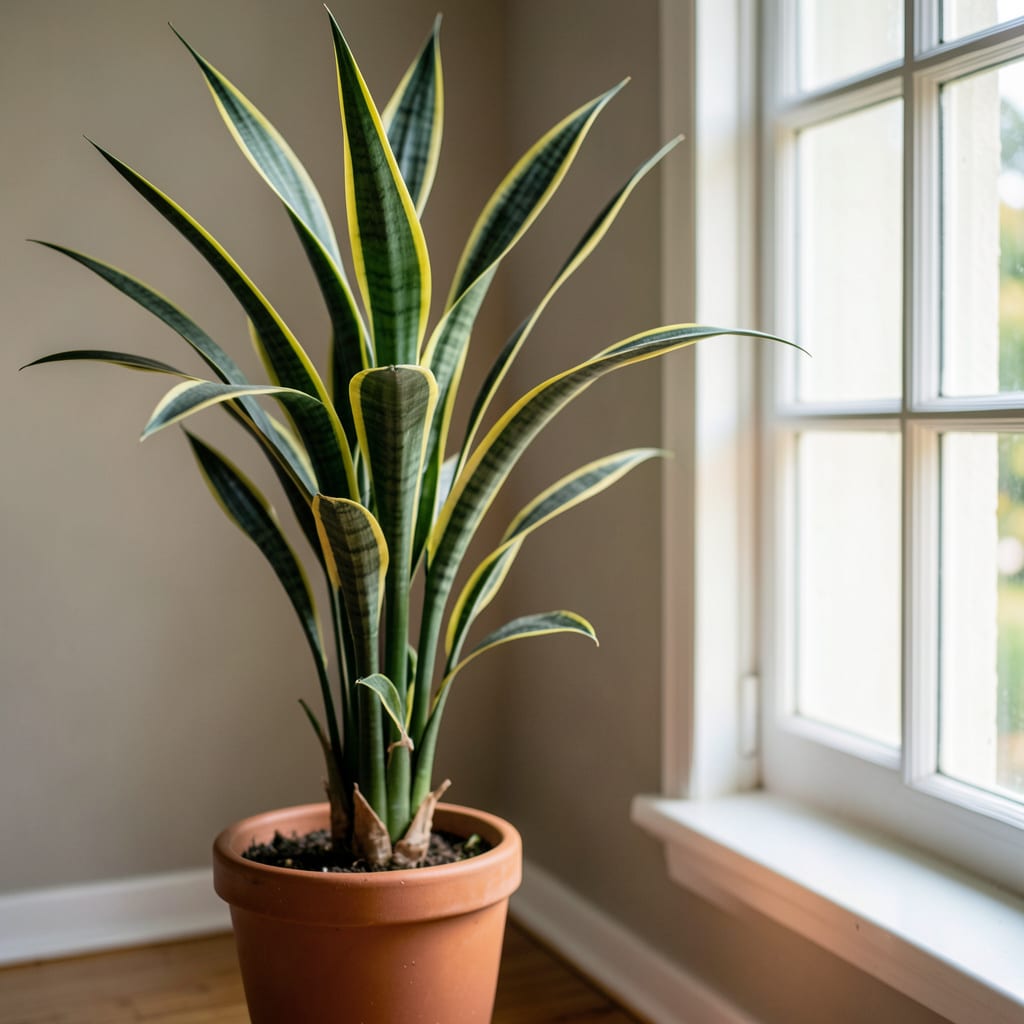
I’ve always been fascinated by the Rattlesnake Plant 🌱, with its striking foliage that adds a touch of tropical beauty to any indoor space. But to keep this stunning plant thriving, you need to get one crucial thing right: lighting.
So, how much light does it actually need? The Rattlesnake Plant thrives in bright, indirect light, making it perfect for spots near east- or west-facing windows. Let’s explore the optimal lighting conditions to keep your plant healthy and vibrant.

The Rattlesnake Plant is known for its beautiful, unique foliage, and proper lighting is crucial for maintaining its vibrant colors and overall health. To keep your plant thriving, it’s essential to understand its specific lighting needs.
Rattlesnake Plants prefer bright, indirect light, which means they do best when they receive plenty of light that is filtered or diffused in some way. This type of lighting helps maintain their striking leaf patterns and colors without causing damage 🌱.
When it comes to lighting, the intensity and duration are both critical factors. The Rattlesnake Plant thrives in conditions where it receives 2-4 hours of bright, indirect light daily. This can be achieved by placing the plant near an east- or west-facing window, where the light is naturally softer and less direct. East-facing windows receive gentle morning light, while west-facing windows get the softer afternoon light, both of which are ideal for this plant.
It’s also worth noting that while Rattlesnake Plants can tolerate lower light conditions, their vibrant leaf patterns may become less pronounced, and growth may slow. On the other hand, exposing them to too much direct sunlight can cause the leaves to become scorched. Therefore, finding the right balance is key to keeping your Rattlesnake Plant healthy and visually appealing 🌿.
To further enhance the lighting for your Rattlesnake Plant, you can consider using sheer curtains to filter the light if it’s too intense. This simple adjustment can help create the perfect lighting environment for your plant to thrive.
In addition to natural light, you can also supplement with grow lights if necessary. LED grow lights are a popular choice as they provide the right spectrum for plant growth without generating too much heat.
Understanding and meeting the lighting requirements of your Rattlesnake Plant is a fundamental step in ensuring its overall health and vitality. By providing the appropriate amount and type of light, you can enjoy the beautiful foliage and robust growth of this stunning plant.
Proper lighting not only enhances the plant’s appearance but also supports its physiological needs, promoting healthy growth and development.
By paying attention to the lighting needs of your Rattlesnake Plant, you can create an optimal environment that allows it to flourish.
In summary, the key to successful Rattlesnake Plant care is understanding and providing the right lighting conditions. With the right approach, you can enjoy a thriving, beautiful plant that adds a touch of nature to your indoor space 🌼.
The Rattlesnake Plant is sensitive to lighting conditions, and different light exposures can significantly impact its growth and overall health. Understanding how various light conditions affect your plant is crucial for providing the best care 🌱.
Bright, indirect light is ideal for Rattlesnake Plants, as it promotes healthy growth and maintains the plant’s vibrant leaf patterns. However, too much direct sunlight can cause the leaves to become scorched, while too little light can lead to leggy growth and faded colors.
Direct sunlight can scorch the leaves of your Rattlesnake Plant. If you notice yellowing or browning leaves, it may be getting too much direct light. Consider using a sheer curtain to filter the sunlight and prevent damage.
When exposed to low light conditions, Rattlesnake Plants may experience slower growth, and their striking leaf patterns may become less vibrant. While they can tolerate low light, it’s essential to monitor the plant’s health and adjust its placement accordingly 🌿.
On the other hand, too much light can cause the leaves to become scorched, leading to damage and potentially harming the plant’s overall health. It’s crucial to find the right balance and provide your Rattlesnake Plant with the appropriate amount of bright, indirect light.
By understanding how different light conditions affect your Rattlesnake Plant, you can make informed decisions about its placement and care, ensuring it thrives in its environment.
Monitoring your plant’s response to different lighting conditions is key to providing optimal care. By paying attention to signs of too much or too little light, you can adjust its placement to ensure healthy growth and maintain its beautiful foliage.
In summary, the right lighting conditions are vital for the health and appearance of your Rattlesnake Plant. By providing bright, indirect light and avoiding extreme light conditions, you can enjoy a thriving, beautiful plant 🌼.
To keep your Rattlesnake Plant thriving, it’s essential to provide the right lighting conditions. Here are some practical tips to help you achieve optimal lighting for your plant 🌱.
Place your Rattlesnake Plant near east- or west-facing windows to provide it with the ideal amount of bright, indirect light.
If the light is too intense, consider using sheer curtains to filter it and prevent scorching the leaves.
LED grow lights can be used to supplement natural light, especially during the winter months or in low-light environments.
By following these tips, you can ensure that your Rattlesnake Plant receives the optimal lighting it needs to thrive. Proper lighting is just one aspect of caring for your plant, but it’s a crucial one 🌿.
Adjusting for seasonal changes is also important. As the days get shorter in winter, you may need to provide additional light to meet your plant’s needs.
With the right lighting, your Rattlesnake Plant will continue to grow and display its beautiful foliage, adding a touch of nature to your indoor space 🌼.
East- or west-facing windows are perfect for Rattlesnake Plants as they provide bright, indirect light without direct sun exposure that can scorch leaves. This direction gives gentle morning or afternoon light that’s ideal for maintaining vibrant foliage.
Yes, Rattlesnake Plants can tolerate low light conditions, but their growth may slow and leaf patterns may become less vibrant. For best results, provide 2-4 hours of bright, indirect light daily. If you can’t provide this, consider using LED grow lights to supplement.
If your Rattlesnake Plant is getting too much light, you may notice yellowing or browning leaves. This is a sign that the light is too intense and may be scorching the leaves. Consider using sheer curtains to filter the light and prevent damage.
Yes, you can use LED grow lights to supplement natural light, especially during winter months or in low-light environments. This will help maintain the plant’s health and vibrant foliage. Keep the lights on for 12-14 hours a day to mimic natural daylight.
