
Beautiful Plants For Your Interior
Beautiful Plants For Your Interior
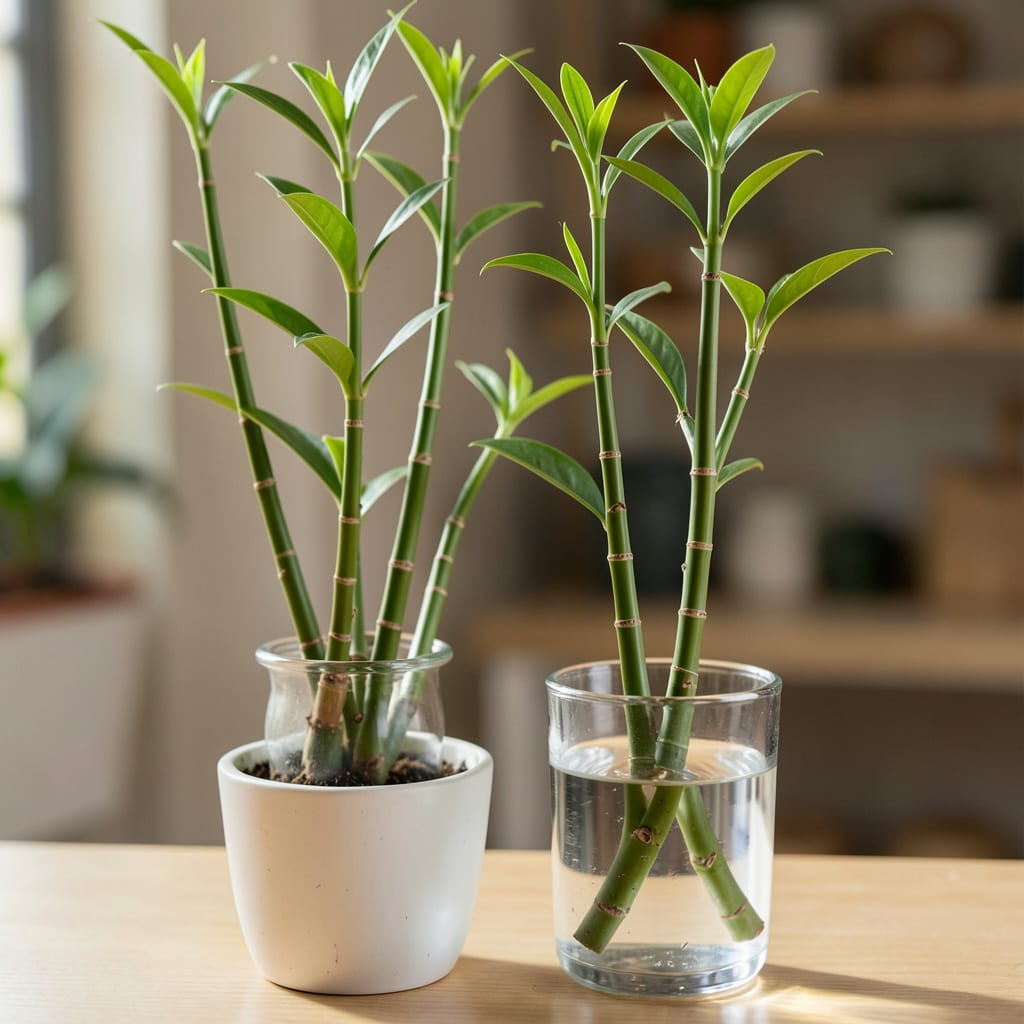
When growing bamboo 🌿, one of the most critical factors to consider is light exposure. Too little light can hinder its growth, while too much can cause damage.
Understanding the ideal light requirements for your bamboo plant is essential for its health and development. I’ll guide you through the optimal lighting conditions and provide tips on how to achieve them.

Bamboo plants are known for their rapid growth and versatility, but one of the most critical factors in their development is light exposure. Understanding how much light your bamboo needs can make the difference between a thriving plant and one that struggles to survive 🌿.
The ideal light requirements for bamboo plants vary depending on the species and growing conditions. Generally, bamboo prefers partial shade to full sun, with a minimum of 4-6 hours of direct sunlight daily. However, some species can tolerate more or less light, so it’s essential to research the specific needs of your bamboo variety 🔍.
The light intensity also plays a crucial role in bamboo growth. While most bamboo species prefer bright light, some can tolerate low light conditions. However, low light can lead to weak and spindly growth, making the plant more susceptible to disease and pests 🌟.
In addition to the duration and intensity of light, the quality of light is also important. Bamboo plants generally respond well to natural light, but artificial lighting can be used to supplement natural light, especially during the winter months or in low-light environments 💡.
When growing bamboo indoors, it’s essential to position the plant near a sunny window or use grow lights to provide the necessary light. East- or west-facing windows are ideal, as they provide gentle, indirect light that promotes healthy growth 🌞.
Outdoor bamboo plants also require careful consideration of light exposure. While most species can tolerate full sun, some may require shading during the hottest part of the day to prevent scorching 🔥.
To ensure your bamboo plant receives the right amount of light, monitor its response to the current lighting conditions. If the leaves are yellowing or browning, it may be getting too much light. Conversely, if the plant is leggy or weak, it may not be getting enough light 🌱.
By understanding and providing the optimal light requirements for your bamboo plant, you can promote healthy growth and enjoy the many benefits of this versatile and sustainable plant 🌿.
In summary, bamboo plants require careful consideration of light exposure to thrive. By providing the right amount and quality of light, you can enjoy a healthy and robust bamboo plant that brings beauty and functionality to your space 🌟.
For more specific guidance on the light requirements for your bamboo species, consult with a local nursery or gardening expert to ensure you’re providing the best conditions for your plant 📚.
The light intensity plays a crucial role in bamboo growth and health. Bamboo plants generally require bright light to photosynthesize and grow robustly 🌿.
When bamboo receives adequate light, it promotes healthy growth and robust development. However, too little light can lead to weak and spindly growth, making the plant more susceptible to disease and pests 🌟.
Bamboo plants respond differently to various light conditions. While some species can tolerate low light, most prefer bright indirect to direct light 💡.
To ensure your bamboo plant thrives, it’s essential to understand its specific light requirements. Research the needs of your bamboo variety to provide the optimal lighting conditions 🌱.
Indoor bamboo plants benefit from being placed near sunny windows or under grow lights. East- or west-facing windows are ideal for providing gentle, indirect light that promotes healthy growth 🌞.
Outdoor bamboo plants also require careful consideration of light exposure. While most species can tolerate full sun, some may need shading during the hottest part of the day to prevent scorching 🔥.
Monitoring your bamboo plant’s response to its lighting conditions is crucial. If the leaves are yellowing or browning, it may be receiving too much light. Conversely, if the plant is leggy or weak, it may not be getting enough light 🌟.
By understanding how light intensity affects your bamboo plant’s growth and health, you can take steps to provide the optimal lighting conditions for your plant to thrive 🌿.
To ensure your bamboo plant thrives, it’s essential to provide the right amount and quality of light 🌿.
When growing bamboo indoors, position the plant near a sunny window or use grow lights to supplement natural light 💡.
East- or west-facing windows are ideal for bamboo plants as they provide gentle, indirect light that promotes healthy growth 🌞.
If natural light is limited, consider using grow lights to provide the necessary light for your bamboo plant to thrive 💡.
Keep an eye on your bamboo plant’s response to its lighting conditions and adjust as necessary to prevent yellowing or browning of leaves 🌟.
For outdoor bamboo plants, consider providing shading during the hottest part of the day to prevent scorching 🔥.
By following these practical tips, you can provide your bamboo plant with the right amount and quality of light it needs to thrive 🌿.
Proper light exposure is crucial for maintaining the health and promoting the growth of your bamboo plant 🌱.
With the right lighting conditions, you can enjoy a healthy and robust bamboo plant that brings beauty and functionality to your space 🌟.
Bamboo plants generally prefer 4-6 hours of direct sunlight daily. Some species can tolerate more or less light, so it’s essential to research the specific needs of your bamboo variety. Proper light exposure promotes healthy growth and development.
While some bamboo species can tolerate low light conditions, most prefer bright indirect to direct light. Low light can lead to weak and spindly growth, making the plant more susceptible to disease and pests. Consider using grow lights if natural light is limited.
Monitor your bamboo plant’s response to its lighting conditions. If the leaves are yellowing or browning, it may be getting too much light. Conversely, if the plant is leggy or weak, it may not be getting enough light. Adjust the lighting conditions accordingly to promote healthy growth.
Yes, artificial lighting can be used to supplement natural light, especially during the winter months or in low-light environments. Use grow lights to provide the necessary light for your bamboo plant to thrive. This is particularly useful for indoor bamboo plants.
