
Beautiful Plants For Your Interior
Beautiful Plants For Your Interior
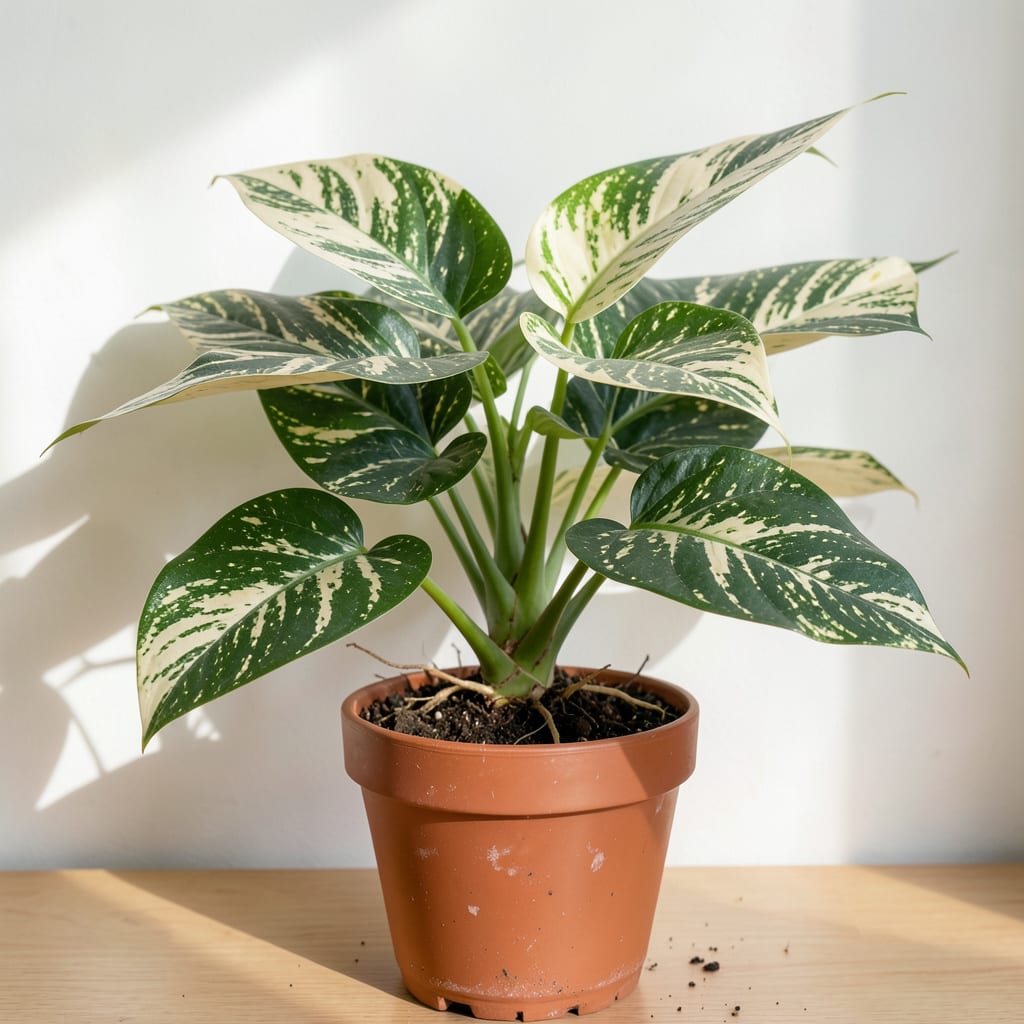
I’ve always been fascinated by the Arrowhead Plant 🌿, with its beautiful, arrow-shaped leaves that can brighten up any indoor space. But to keep this stunning plant thriving, you need to get the lighting just right.
So, how much light does it really need? Let’s explore the optimal lighting conditions for your Arrowhead Plant to flourish in your home, particularly in USDA Zone 6 where it can thrive with proper care.
 Best Window Placement
I always recommend starting with the basics when it comes to caring for your Arrowhead Plant. One of the most critical factors is lighting. So, how much light does an Arrowhead Plant need? Let’s dive into the details.
Arrowhead Plants are known for their adaptability to various lighting conditions, but they do have their preferences. Understanding these preferences is key to keeping your plant healthy and thriving. The ideal lighting conditions for Arrowhead Plants are bright indirect light, making them perfect for rooms with plenty of natural light that isn’t directly hitting the plant 🌿.
When it comes to light intensity, Arrowhead Plants are quite versatile. They can adapt to low light environments, but their growth might be slower, and their colors less vibrant. On the other hand, too much direct sunlight can cause the leaves to become scorched. So, finding that perfect balance is crucial 🔥.
East or West facing windows are ideal for Arrowhead Plants because they provide the right amount of indirect light. If you only have South facing windows, consider using a sheer curtain to filter the light. This will help prevent the leaves from getting damaged while still providing enough light for your plant to thrive.
I always suggest observing your plant’s response to its lighting conditions. If the leaves start to look pale or washed out, it might be a sign that the plant needs more light. Conversely, if you notice brown spots or scorching, it’s likely getting too much direct sunlight. Adjusting the lighting based on these signs will help keep your Arrowhead Plant healthy and vibrant.
Another important aspect to consider is the duration of light exposure. While Arrowhead Plants can tolerate some variation in daylight hours, they generally do best with consistent lighting throughout the day. This consistency helps in maintaining their growth rate and overall health.
In my experience, Arrowhead Plants are not just beautiful but also forgiving. They can adapt to different lighting conditions, making them a great choice for various indoor settings. However, to get the most out of your plant, providing the optimal lighting conditions is essential 🌿.
To summarize, Arrowhead Plants prefer bright indirect light for 4-6 hours a day. They can tolerate low light but may not grow as quickly or vibrantly. Too much direct sunlight can damage the leaves, so it’s all about finding that perfect balance.
By understanding and meeting the lighting needs of your Arrowhead Plant, you’ll be well on your way to enjoying a healthy, thriving plant that adds beauty and life to your indoor space.
For more specific advice tailored to your Arrowhead Plant’s variety, consider checking out resources that focus on the specific lighting needs of different Arrowhead Plant varieties. This can provide you with even more detailed insights into how to care for your plant.
I’ve found that different Arrowhead Plant varieties have slightly different lighting needs. Understanding these variations is crucial for providing the best care for your plant 🌿.
The main difference in lighting needs comes down to the plant’s leaf coloration and patterns. For example, varieties with more variegation or brighter colors tend to require more light to maintain their vibrant hues. On the other hand, plants with solid green leaves can often tolerate lower light conditions 🔥.
When caring for different Arrowhead Plant varieties, it’s essential to research the specific lighting needs of your plant. This will ensure you’re providing the best possible conditions for it to thrive 🌱.
Variegated varieties, for instance, require more bright indirect light to maintain their striking color patterns. If they don’t receive enough light, the variegation may fade, and the leaves might become more green. On the other hand, solid green varieties are more adaptable and can tolerate a range of light conditions, from low to bright indirect light.
Another factor to consider is the intensity of the light. While Arrowhead Plants generally prefer bright indirect light, the intensity can vary depending on the variety. Some may tolerate more direct sunlight, while others may require filtered light to prevent scorching 🔥.
I recommend adjusting the lighting based on your plant’s response. If you notice the leaves becoming pale or washed out, it might be a sign that the plant needs more light. Conversely, if there are brown spots or scorching, it’s likely getting too much direct sunlight.
By understanding the specific lighting needs of your Arrowhead Plant variety, you can create an optimal environment that supports its growth and maintains its beauty 🌿.
For more detailed information on caring for your specific Arrowhead Plant variety, I suggest consulting resources that focus on the unique needs of different varieties. This will help you tailor your care routine to your plant’s specific requirements.
I’ve noticed that even with the best intentions, it’s easy to misjudge the lighting needs of your Arrowhead Plant. Being aware of the signs of too much or too little light can help you make necessary adjustments to keep your plant healthy 🌱.
If your Arrowhead Plant is getting too much or too little light, it will show signs. Keep an eye out for leaf discoloration, fading, or scorching.
One of the most common signs that your Arrowhead Plant is not getting the right amount of light is leaf discoloration. If the leaves start to turn pale or yellow, it could be a sign that the plant is receiving too much light. On the other hand, if the leaves are dark green but lack their usual vibrancy, it might be a sign that they’re not getting enough light 🔥.
Scorching is another indicator of too much direct sunlight. If you notice brown spots or edges on the leaves, it’s likely that your plant is exposed to too much direct sunlight. To prevent this, you can adjust the plant’s position or use a sheer curtain to filter the light.
Conversely, if your Arrowhead Plant isn’t getting enough light, you might notice that its growth has slowed down, or the leaves are smaller than usual. In such cases, consider moving the plant to a brighter location or supplementing with grow lights if necessary 🌿.
I always recommend keeping a close eye on your plant’s response to its environment. By being attentive to these signs and making the necessary adjustments, you can ensure your Arrowhead Plant remains healthy and continues to thrive.
To summarize, monitoring your Arrowhead Plant’s leaves for signs of too much or too little light is crucial. By recognizing these signs early, you can make the necessary changes to provide the optimal lighting conditions for your plant.
For more tips on caring for your Arrowhead Plant and addressing other potential issues,
East or West facing windows are perfect for Arrowhead Plants as they provide bright indirect light without direct sun exposure that can cause scorching. This direction gives your plant the right amount of light to thrive.
Yes, Arrowhead Plants can adapt to low light environments, but their growth may be slower and colors less vibrant. For optimal health, provide bright indirect light for 4-6 hours daily.
If your Arrowhead Plant’s leaves show brown spots or are getting scorched, it’s likely receiving too much direct sunlight. Consider using a sheer curtain to filter the light or moving the plant to a spot with indirect light.
Yes, you can supplement with grow lights if natural light is insufficient. This is especially helpful during winter months or in rooms with limited natural light. Keep the lights on for 4-6 hours a day to support healthy growth.
