
Beautiful Plants For Your Interior
Beautiful Plants For Your Interior
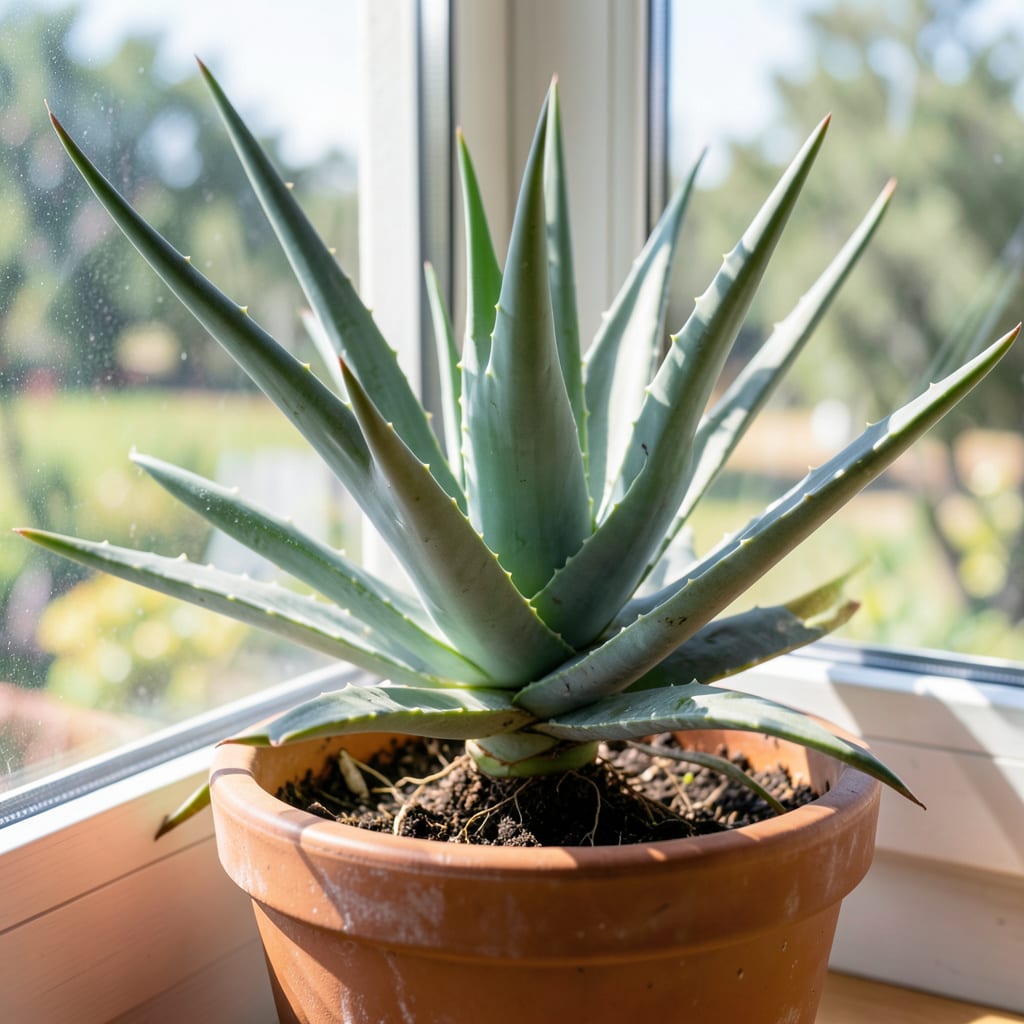
As I care for my Aloe 🌵 plants, I’ve learned that light is crucial for their health. Too little light can cause them to stretch and lose their characteristic shape.
So, how much light does your Aloe plant actually need? Let’s explore the ideal lighting conditions to keep your plants thriving in USDA Zone 9b.

Aloe plants are known for their low-maintenance requirements, but light is one critical factor that can make or break their health and growth potential. I’ve found that understanding their light needs is essential for keeping them thriving.
Aloe plants generally require bright, indirect light to photosynthesize and grow properly. The ideal light conditions for aloe plants are typically found near a south or east-facing window where they can receive 4-6 hours of indirect sunlight daily 🌞.
I recommend positioning your aloe plant near a window that receives morning or late afternoon sun. This timing helps avoid the intense midday sun that can cause leaf scorch and other damage 🌟.
Direct sunlight can be too intense for aloe plants, especially during peak hours. If you only have a west-facing window, consider using a sheer curtain to filter the intense afternoon sun.
It’s also important to note that aloe plants can adapt to different light conditions. However, their growth rate and health may vary depending on the light intensity they receive.
For example, aloe plants grown in lower light conditions may become leggy or stretched out as they reach for more light. On the other hand, those exposed to too much direct sunlight can suffer from sunburn, leading to brown or reddish spots on the leaves 🔥.
To ensure your aloe plant gets the right amount of light, observe its response to its current lighting conditions. If it’s not getting enough light, consider supplementing with grow lights, especially during the winter months when natural daylight is limited.
By understanding and adjusting to your aloe plant’s light requirements, you can promote healthy growth and maintain its characteristic, compact shape 🌿.
Remember, the key to successful aloe care is providing the right balance of light, water, and nutrients. With proper care, your aloe plant can thrive and become a beautiful addition to your indoor garden 💚.
In summary, aloe plants need bright, indirect light to thrive. By positioning them correctly and adjusting their light exposure as needed, you can help your plants stay healthy and grow well 🌱.
Aloe plants are sensitive to light conditions, and both insufficient and excessive light can cause problems. Understanding these extremes is crucial for maintaining healthy plants 🌞.
Insufficient light can lead to leggy growth, where the plant stretches towards the light source, becoming weak and uncharacteristically shaped. If your aloe plant isn’t getting enough light, you might notice:
Aloe plants in low light may become leggy, lose their vibrant color, and experience slowed growth. Consider moving to a brighter location or using grow lights 🔦.
On the other hand, excessive light, particularly direct sunlight during peak hours, can cause sunburn on aloe leaves. Symptoms include:
To adjust your aloe plant’s light exposure, consider the time of year and the intensity of the sunlight. During summer months, some shade might be necessary to protect your plants from intense sun 🌟.
In contrast, during winter months, aloe plants can benefit from more direct sunlight as the sun’s rays are less intense. Monitoring your plant’s response to light and making seasonal adjustments can help maintain optimal conditions 🌱.
By being aware of the signs of too much or too little light, you can take corrective action to ensure your aloe plants receive the right amount of light for healthy growth 🌿.
Regular observation and adjustments will help you find the perfect balance for your aloe plants, promoting their overall health and vitality 💚.
To keep your aloe plants thriving, it’s essential to optimize their light conditions. I’ve found that proper positioning and seasonal adjustments can make a significant difference in their health and growth 🌞.
Place your aloe plant near a south or east-facing window to receive 4-6 hours of indirect sunlight daily. Avoid direct sunlight during peak hours to prevent leaf scorch 🌟.
If natural light is limited, consider using grow lights to supplement your aloe plant’s light needs. This is especially helpful during winter months when daylight hours are shorter 🔦.
Adjust your aloe plant’s position seasonally to optimize light exposure. During summer, provide shade from intense sun, and in winter, move to a brighter location if possible 🌱.
By following these tips, you can create an optimal lighting environment for your aloe plants, promoting healthy growth and maintaining their characteristic, compact shape 🌿.
Regular monitoring and adjustments will help you find the perfect balance for your aloe plants, ensuring they receive the right amount of light throughout the year 💚.
In summary, optimizing light conditions for aloe plants involves proper positioning, using grow lights when necessary, and making seasonal adjustments to ensure they receive the right amount of light for healthy growth 🌞.
Aloe plants can tolerate some direct sunlight, but too much can cause leaf scorch. It’s best to provide bright, indirect light for 4-6 hours daily. Morning or late afternoon sun is ideal .
If your aloe plant is not getting enough light, it may become leggy, lose its vibrant color, and experience slowed growth. Consider moving it to a brighter location or using grow lights .
If your aloe plant is exposed to too much direct sunlight, it may develop brown or reddish spots on its leaves due to sunburn. Adjust its position to avoid peak sun hours .
Yes, grow lights can be used to supplement natural light, especially during winter months when daylight hours are shorter. This helps maintain optimal light conditions for your aloe plant .
