
Beautiful Plants For Your Interior
Beautiful Plants For Your Interior
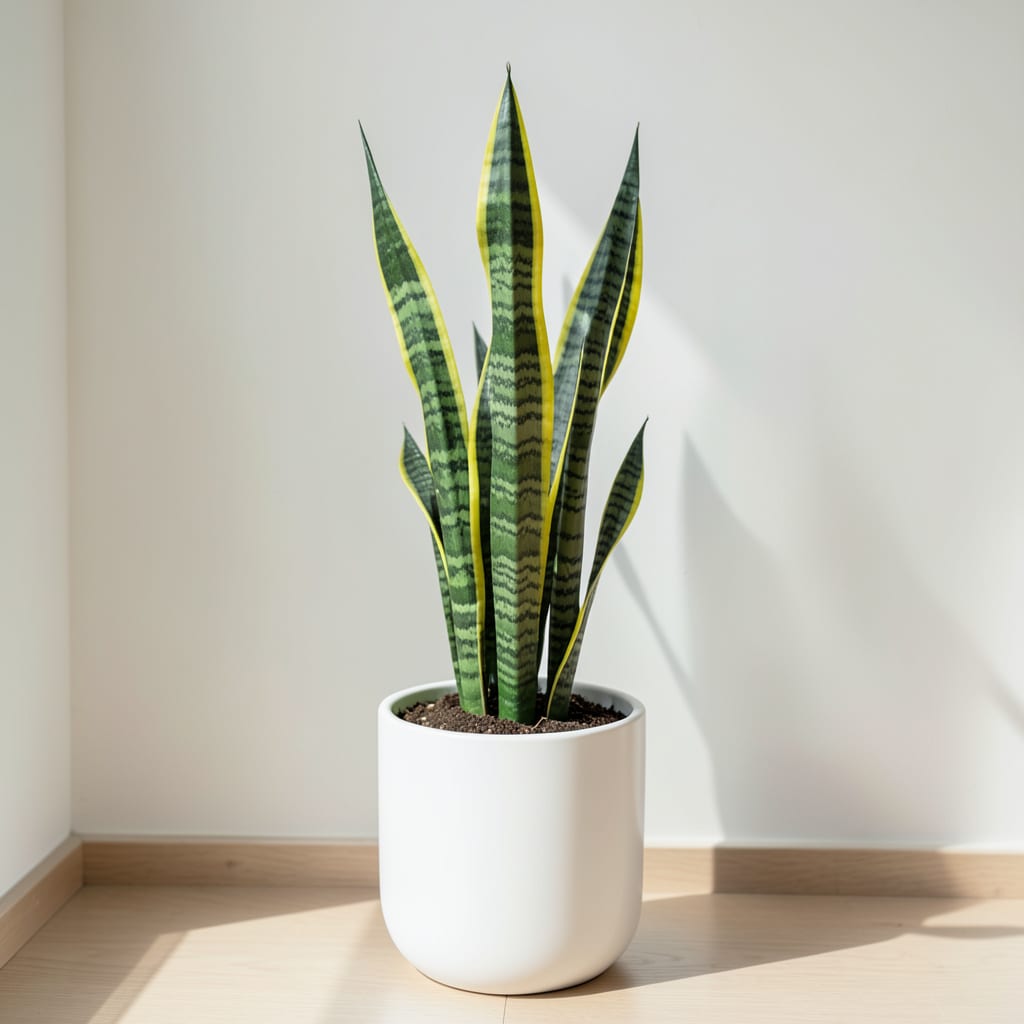
I still remember the first time I brought a Snake Plant 🌿 into my home – it thrived despite my less-than-ideal lighting. But as I learned more, I discovered that while these plants are low-maintenance, they do have specific light requirements to truly flourish.
Understanding how much light your Snake Plant needs is crucial for its health and growth, especially if you’re growing it in a location like USDA Zone 6. Let’s explore the ideal light conditions and how to optimize them for your plant.
 Best Window Placement
Snake plants are known for their ability to thrive in various light conditions, making them a popular choice for indoor spaces. However, understanding their specific light requirements is crucial for optimal growth and health 🌿.
The ideal light condition for snake plants is indirect light, which can range from low to bright indirect light. While they can tolerate low light conditions, their growth rate may slow down 🔥.
When it comes to window placement, a north-facing window is ideal as it provides gentle, indirect light throughout the day. East- or west-facing windows are also suitable, but it’s essential to filter the direct sunlight during peak hours 💡.
Snake plants can adapt to different light levels, but their growth and appearance will vary accordingly. In low light conditions, they may not produce as many new leaves, and their colors might be less vibrant 🌟.
It’s worth noting that while snake plants can survive in low light, they will thrive in bright, indirect light. This balance is key to maintaining their health and promoting steady growth 🌱.
To ensure your snake plant receives the right amount of light, consider the following factors:
By understanding and meeting your snake plant’s light requirements, you can enjoy a healthy, thriving plant that adds beauty to your indoor space 🌿.
For more detailed information on caring for your snake plant, including watering and fertilization tips, check out our comprehensive guide on Snake Plant Care 🔗.
In summary, snake plants are versatile and can adapt to various light conditions, but they thrive best in bright, indirect light. By providing the right light conditions, you can ensure your snake plant remains healthy and continues to be a stunning addition to your home 🌸.
Snake plants are known for their adaptability to various light conditions, but the amount and type of light they receive significantly impact their growth and overall health 🌱.
The intensity and duration of light exposure directly influence how well your snake plant will grow. In low light conditions, snake plants can survive but may not thrive, often resulting in slower growth and less vibrant foliage 🔍.
When placed in bright, indirect light, snake plants tend to grow more vigorously and maintain their characteristic striking foliage patterns 🌿.
It’s also worth noting that direct sunlight can be harmful if prolonged, potentially causing leaf scorch, especially during peak sun hours ☀️.
To optimize light conditions for your snake plant, consider using sheer curtains to filter intense sunlight or adjusting the plant’s distance from the light source 🔧.
By understanding how different light conditions affect your snake plant, you can make informed decisions about its placement and care, ensuring it remains a healthy and beautiful addition to your indoor space 🏠.
For more tips on caring for your snake plant, including advice on watering and fertilization, be sure to check out our comprehensive guide on Snake Plant Care 📚.
In summary, the right light conditions are crucial for the optimal growth and health of your snake plant. By providing the appropriate amount and type of light, you can enjoy a thriving, vibrant plant 🌸.
Optimizing light for your snake plant involves understanding its adaptability and making simple adjustments to its placement 🌱.
To ensure your snake plant gets the right amount of light, consider its positioning relative to the light source. A north-facing window is ideal as it provides gentle, indirect light throughout the day 🌞.
For rooms with limited natural light, consider using artificial grow lights to supplement the available light and keep your snake plant thriving 🔦.
When using artificial lighting, place the lights 12-18 inches away from the plant to avoid burning the leaves. Adjust the duration based on the type of light: 12-14 hours for LED or fluorescent lights is typically sufficient 💻.
Seasonal adjustments are also crucial. During winter months, when days are shorter, you might need to move your snake plant closer to the light source or increase the duration of artificial lighting ❄️.
Conversely, in summer, be cautious of intense sunlight. Using sheer curtains can help filter the light and prevent leaf scorch ☀️.
By following these tips, you can create an optimal lighting environment for your snake plant, ensuring it remains healthy and continues to be a beautiful addition to your home 🌿.
For more detailed guidance on caring for your snake plant, including tips on watering and fertilization, check out our comprehensive guide on Snake Plant Care 📚.
In summary, optimizing light for your snake plant is about balancing its natural adaptability with the right placement and adjustments. With these tips, you can enjoy a thriving, vibrant plant that enhances your indoor space 🌸.
Yes, snake plants can tolerate low light conditions, but their growth may slow down. They are ideal for rooms with limited natural light, making them a popular choice for indoor spaces. However, they will still benefit from some indirect light.
Snake plants require 2-4 hours of indirect light daily for optimal growth. Placing them near a north-facing window is ideal as it provides gentle, indirect light throughout the day.
Yes, you can use artificial grow lights to supplement the available light, especially in rooms with limited natural light. Place the lights 12-18 inches away from the plant and adjust the duration based on the type of light.
During winter months, you may need to move your snake plant closer to the light source or increase the duration of artificial lighting. In summer, be cautious of intense sunlight and consider using sheer curtains to filter the light.
