
Beautiful Plants For Your Interior
Beautiful Plants For Your Interior
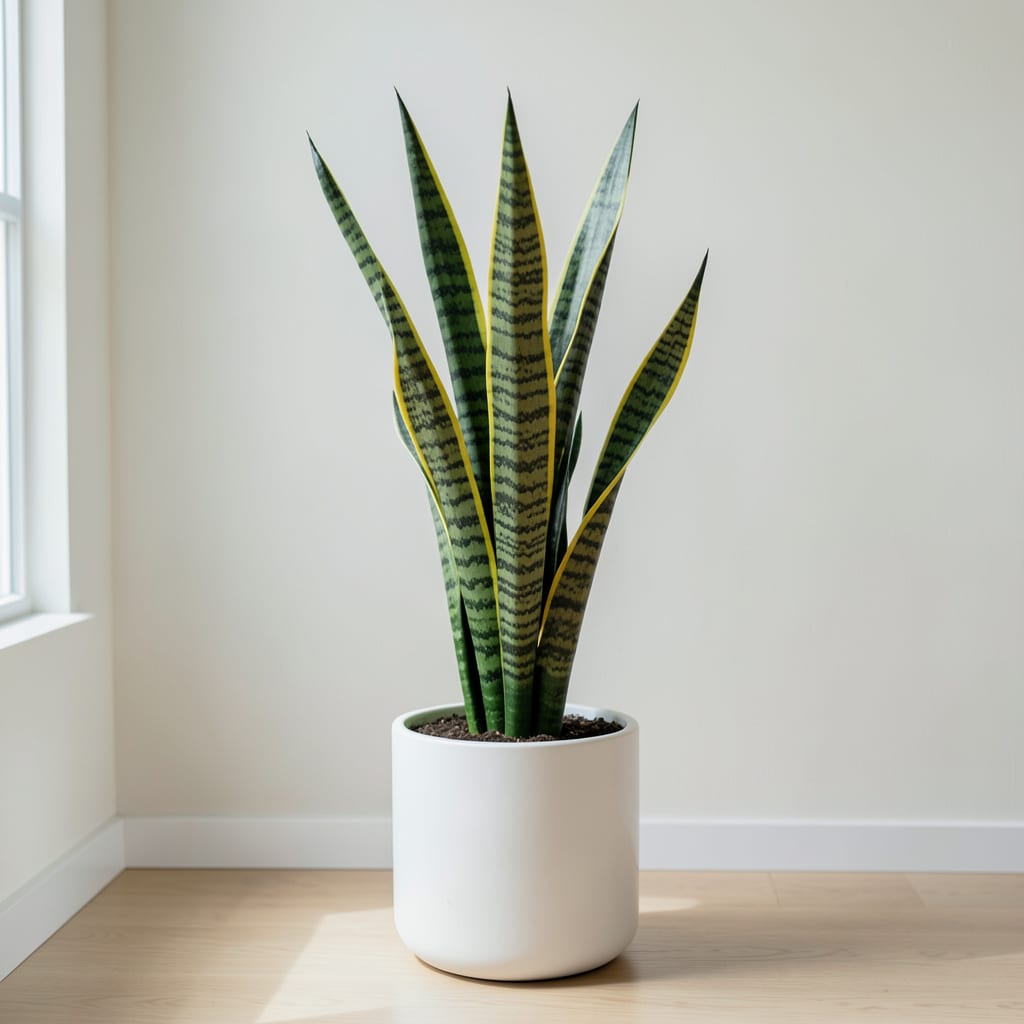
I’ve always been fascinated by the low-maintenance beauty of Snake Plants 🪴. These hardy plants can thrive in various conditions, but getting their light requirements right is crucial for optimal growth.
Understanding how much light your Snake Plant needs indoors can make all the difference in keeping it healthy and thriving in your home or office.

I’ve found that Snake Plants are incredibly adaptable when it comes to light conditions, making them perfect for various indoor spaces. The key is understanding their light tolerance and optimal placement. 🪴
Snake Plants can thrive in a range of light conditions, from low light to bright indirect light. However, their ideal light conditions depend on various factors, including the plant’s variety and the time of year.
When it comes to placing your Snake Plant indoors, it’s essential to consider the direction of your windows. East- or west-facing windows are ideal, as they provide bright indirect light for most of the day.
For north-facing windows, which receive low light, Snake Plants can still survive but may require more frequent rotation to maintain even growth. In contrast, south-facing windows can provide too much direct sunlight, so it’s best to filter the light with a sheer curtain to prevent leaf damage.
One of the most significant advantages of Snake Plants is their ability to tolerate low light conditions. This makes them an excellent choice for rooms with limited natural light, such as basements or offices with few windows.
However, it’s crucial to note that while Snake Plants can survive in low light, they will thrive in bright indirect light. To achieve optimal growth, place your Snake Plant in a spot that receives 4-6 hours of bright indirect light per day.
If you’re unsure about the light conditions in your space, you can use a light meter to measure the intensity. This will help you determine the best spot for your Snake Plant.
In addition to the direction and intensity of light, it’s also important to consider the duration of light exposure. Snake Plants can tolerate a range of light durations, but 12-14 hours of light per day is ideal for optimal growth.
To ensure your Snake Plant receives the right amount of light, you can also rotate the plant regularly. This will help maintain even growth and prevent the leaves from becoming scorched or discolored.
By understanding your Snake Plant’s light requirements and providing the right conditions, you can help it thrive indoors. Whether you have a bright and sunny space or a dimly lit room, Snake Plants are a great choice for adding some low-maintenance beauty to your decor. 🌱
In summary, Snake Plants are versatile and can adapt to various light conditions, but they thrive in bright indirect light. By choosing the right location and providing the appropriate light conditions, you can enjoy a healthy and thriving Snake Plant in your indoor space.
I’ve found that understanding the specific light needs of Snake Plants is crucial for their optimal growth. These plants require a certain level of light intensity to photosynthesize and thrive indoors.
The ideal light condition for Snake Plants is bright indirect light, which promotes healthy growth and maintains their vibrant color. While they can tolerate low light conditions, their growth may be slower and less robust.
Snake Plants benefit from 4-6 hours of bright indirect light per day for optimal growth and health.
Direct sunlight can cause leaf scorch and damage the plant’s appearance. Use a sheer curtain to filter the light if necessary.
Regular rotation ensures that all parts of the plant receive adequate light, promoting even growth and preventing leaning.
To achieve the best results, place your Snake Plant in a location that receives the right amount of light. East- or west-facing windows are ideal, as they provide gentle, indirect light throughout the day.
If you have a south-facing window, consider using a sheer curtain to filter the intense sunlight and prevent leaf damage. For north-facing windows, while Snake Plants can survive, they may not thrive as they would in brighter conditions.
By understanding and meeting the light requirements of your Snake Plant, you can enjoy a healthier, more vibrant plant that adds beauty to your indoor space. 🌱
In summary, providing your Snake Plant with the right amount of light is key to its optimal growth. By following these guidelines, you can ensure your plant remains healthy and thrives in its environment.
I have seen many Snake Plant owners unknowingly harm their plants with improper lighting conditions. Understanding the common mistakes in lighting can help you avoid these pitfalls and keep your Snake Plant thriving.
Be aware of the lighting conditions that can harm your Snake Plant, including direct sunlight, low light extremes, and inconsistent lighting.
One of the most common mistakes is placing Snake Plants in direct sunlight for extended periods. While they can tolerate some direct sun, prolonged exposure can cause leaf scorch and damage the plant’s appearance.
Another mistake is placing Snake Plants in extremely low light conditions for too long. While they can survive in low light, prolonged low light can cause the plant to become leggy and lose its vibrant color.
Inconsistent lighting is also a common issue. Moving your Snake Plant between very different light conditions can cause stress to the plant. Try to maintain a consistent light environment to promote healthy growth.
To avoid these mistakes, it’s essential to monitor your plant’s response to its lighting conditions. If you notice signs of stress, such as yellowing leaves or leggy growth, adjust the lighting accordingly.
By being aware of these common lighting mistakes and taking steps to avoid them, you can help your Snake Plant thrive and enjoy its low-maintenance beauty for years to come. 🌱
In summary, being mindful of the lighting conditions and avoiding common mistakes can significantly impact the health and appearance of your Snake Plant. By providing the right light and being consistent, you can enjoy a healthy and thriving plant.
Snake Plants thrive in bright indirect light, making east- or west-facing windows ideal. They can tolerate low light but may become leggy. Avoid direct sunlight as it can cause leaf scorch.
Yes, Snake Plants can survive in low light conditions, but their growth may be slower. They are perfect for rooms with limited natural light, such as basements or offices with few windows.
For optimal growth, Snake Plants benefit from 4-6 hours of bright indirect light per day. They can tolerate a range of light durations, but 12-14 hours of light per day is ideal.
Rotate your Snake Plant every 1-2 weeks to ensure even growth and prevent leaning. This helps maintain the plant’s appearance and promotes healthy development.
