
Beautiful Plants For Your Interior
Beautiful Plants For Your Interior
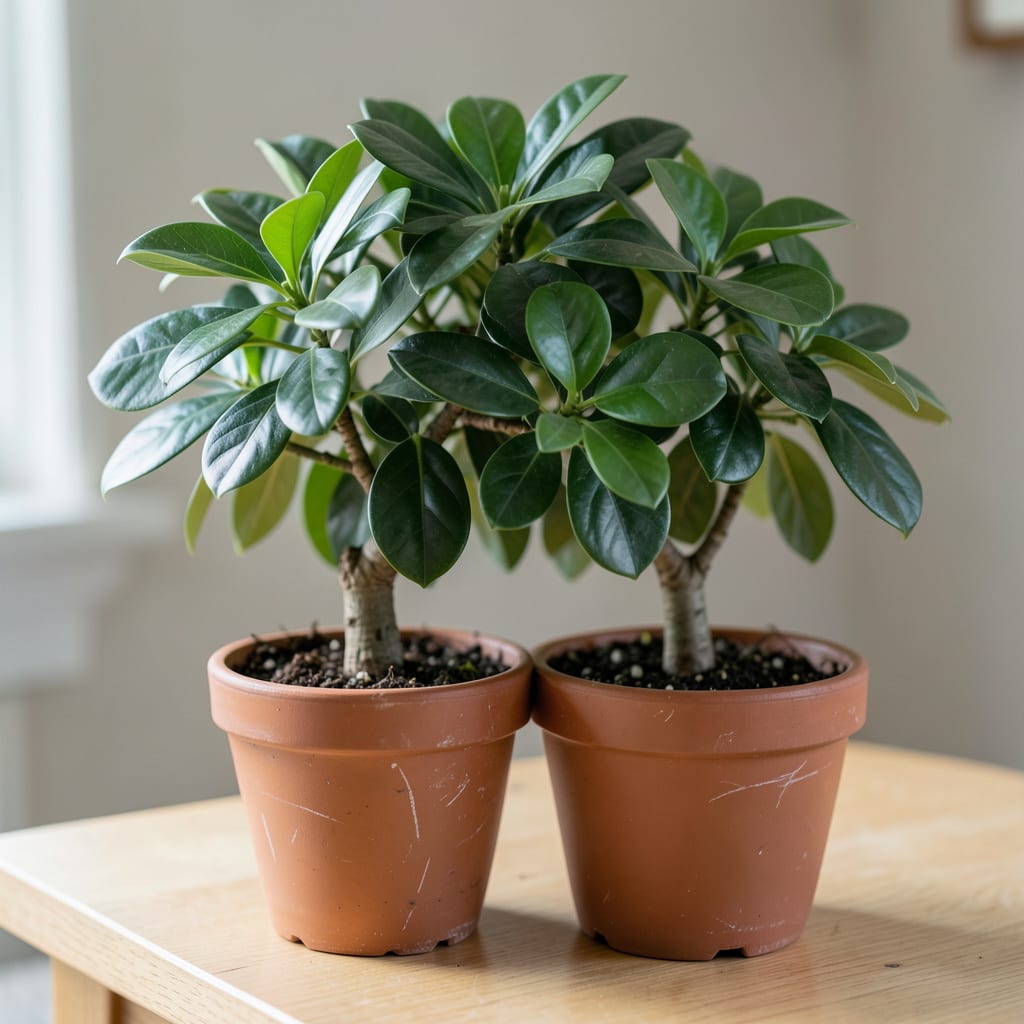
I’ve always been fascinated by 🌱 Schefflera plants – their elegant leaves and air-purifying abilities make them a popular choice for indoor spaces. But to keep them thriving, understanding their light requirements is crucial.
Schefflera plants need bright indirect light to photosynthesize effectively, typically requiring 4-6 hours of light daily. Let’s explore how to provide the right lighting conditions for your Schefflera to flourish in your home or garden.

Schefflera plants are known for their elegant, umbrella-like leaves and ability to purify indoor air. To keep them thriving, understanding their light requirements is crucial. I’ve found that Schefflera plants need bright indirect light to photosynthesize effectively.
Typically, Schefflera plants require 4-6 hours of bright indirect light daily. This can be achieved by placing them near an east or west-facing window. The ideal light conditions for Schefflera plants are bright indirect light, which promotes healthy growth and maintains their vibrant foliage 🌿.
The light intensity and duration are both critical factors in Schefflera care. While they can adapt to various light conditions, optimal growth occurs in bright indirect light. It’s essential to monitor your plant’s response to its lighting environment and adjust accordingly 🔍.
East or west-facing windows are ideal for Schefflera plants as they provide the right amount of indirect light. If you only have a south-facing window, consider using a sheer curtain to filter the direct sunlight, which can be too intense 🌻.
In addition to the direction, the duration of light exposure is also vital. Schefflera plants generally require 4-6 hours of light per day. You can supplement natural light with grow lights if necessary, especially during the shorter days of winter 💡.
It’s also worth noting that Schefflera plants can be sensitive to direct sunlight, which can cause leaf scorch. If you notice the leaves becoming discolored or burned, it may be a sign that the plant is receiving too much direct light ⚠️.
To ensure your Schefflera is getting the right amount of light, observe its leaf color and growth. Healthy Schefflera plants have vibrant, dark green leaves and exhibit steady growth. If the leaves become pale or leggy, it may indicate insufficient light 🌱.
By understanding and providing the appropriate light conditions, you can help your Schefflera plant thrive and enjoy its beautiful foliage for years to come. Remember, the key is bright indirect light for 4-6 hours daily 🌟.
Adjusting the lighting for your Schefflera might require some experimentation based on your specific environment. Be patient and observe your plant’s response to different lighting conditions to find the perfect balance 🔄.
I’ve found that providing the right lighting for Schefflera plants is crucial for their health and growth. To achieve optimal lighting, it’s essential to understand the ideal light conditions and how to replicate them in your home or garden 🌿.
Schefflera plants thrive in bright indirect light, which can be achieved by placing them near an east or west-facing window. This direction provides the right amount of indirect light, promoting healthy growth and maintaining their vibrant foliage. If you only have a south-facing window, consider using a sheer curtain to filter the direct sunlight, which can be too intense 🔍.
For optimal Schefflera care, rotate your plant every 1-2 weeks to ensure even light distribution and prevent uneven growth.
In addition to the direction, the duration of light exposure is also vital. Schefflera plants generally require 4-6 hours of light per day. You can supplement natural light with grow lights if necessary, especially during the shorter days of winter. This will help maintain the optimal light levels for your Schefflera 💡.
To ensure your Schefflera is getting the right amount of light, observe its leaf color and growth. Healthy Schefflera plants have vibrant, dark green leaves and exhibit steady growth. If the leaves become pale or leggy, it may indicate insufficient light. On the other hand, if the leaves are discolored or burned, it may be a sign of too much direct light 🌱.
By providing the appropriate light conditions and monitoring your plant’s response, you can help your Schefflera thrive and enjoy its beautiful foliage for years to come. Remember, the key is bright indirect light for 4-6 hours daily 🌟.
Adjusting the lighting for your Schefflera might require some experimentation based on your specific environment. Be patient and observe your plant’s response to different lighting conditions to find the perfect balance 🔄.
With the right lighting, your Schefflera will not only survive but thrive, bringing a touch of elegance and freshness to your indoor space. By following these tips, you’ll be well on your way to becoming a Schefflera expert and enjoying the many benefits these wonderful plants have to offer 🌿.
When caring for Schefflera plants, it’s essential to avoid common lighting mistakes that can impact their health and growth. One of the most significant errors is exposing them to direct sunlight for extended periods, which can cause leaf scorch and damage the plant 🌿.
Avoid placing Schefflera plants in low-light areas for extended periods, as this can lead to leggy growth and weakened plant health.
Another mistake to avoid is not providing enough light. Schefflera plants require 4-6 hours of bright indirect light daily to photosynthesize effectively. If the light is insufficient, the plant may become leggy and lose its vibrant foliage 🌱.
To prevent these issues, ensure your Schefflera is placed in a location with bright indirect light, such as near an east or west-facing window. If you’re unsure about the light levels, observe your plant’s response and adjust its position accordingly 🔍.
It’s also crucial to be aware of the signs of too much or too little light. If the leaves are discolored or burned, it may indicate too much direct light. On the other hand, if the leaves become pale or leggy, it may be a sign of insufficient light ⚠️.
By being mindful of these common lighting mistakes and taking steps to provide the right light conditions, you can help your Schefflera plant thrive and enjoy its beautiful foliage for years to come 🌟.
Remember, the key to successful Schefflera care is providing bright indirect light for 4-6 hours daily and being aware of the potential pitfalls of incorrect lighting 🔄.
Schefflera plants can adapt to low light, but their growth will be slower. For optimal health, provide bright indirect light for 4-6 hours daily. If you have low light conditions, consider supplementing with grow lights.
East or west-facing windows are ideal for Schefflera plants as they provide the right amount of indirect light. If you only have a south-facing window, use a sheer curtain to filter the direct sunlight.
Monitor your plant’s leaf color and growth. Healthy Schefflera plants have vibrant, dark green leaves and exhibit steady growth. If leaves become pale or leggy, it may indicate insufficient light. If they’re discolored or burned, it may be too much direct light.
Yes, you can use grow lights to supplement natural light, especially during winter months when days are shorter. This helps maintain optimal light levels for your Schefflera, ensuring it continues to thrive.
