
Beautiful Plants For Your Interior
Beautiful Plants For Your Interior
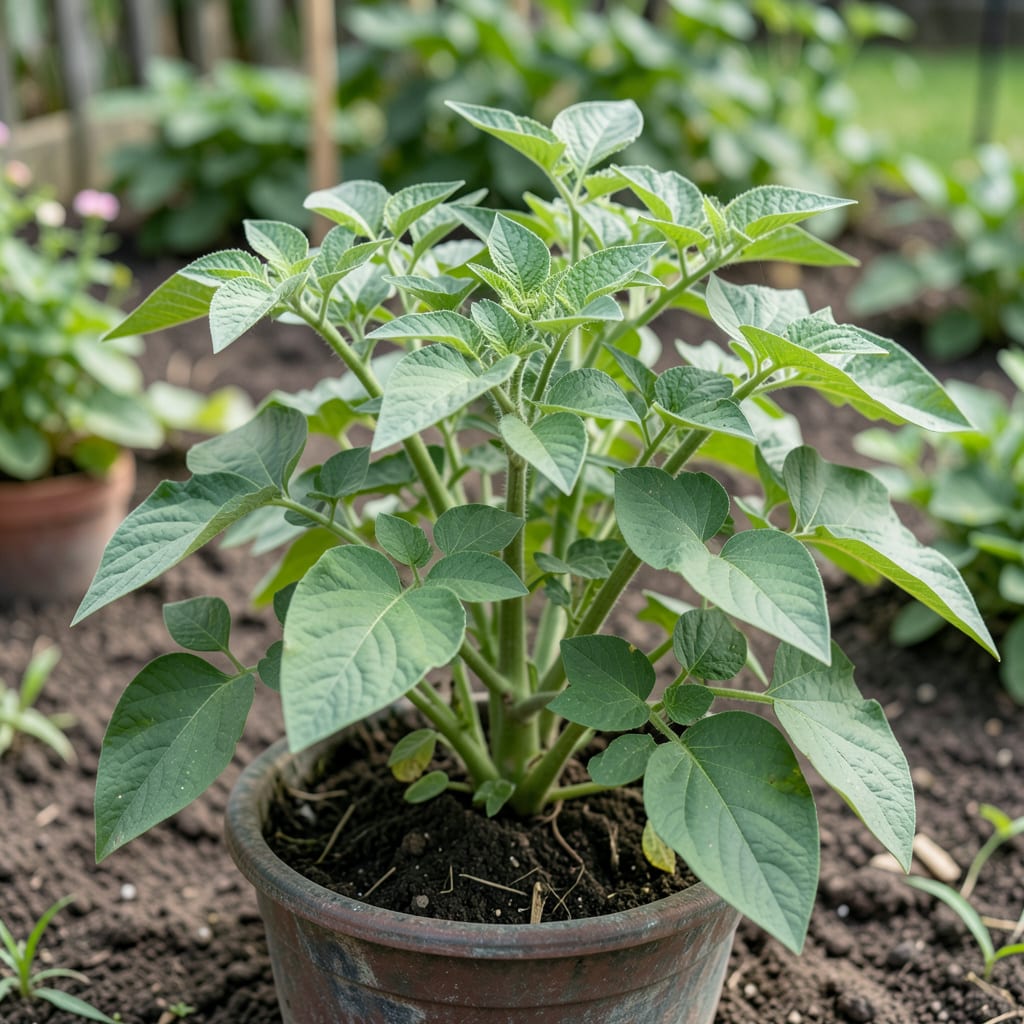
Growing potatoes successfully requires understanding their light needs. Potato plants 🥔 thrive in partial shade with 4-6 hours of indirect sunlight, making east or west windows ideal for container gardening.
Too much or too little light can impact yield and tuber quality. I’ll guide you through the optimal light requirements and practical tips to ensure a bountiful harvest in USDA Zone 6.

Potato plants require partial shade to produce optimal yields. In most growing conditions, this translates to 4-6 hours of indirect sunlight per day 🌞.
The specific light needs of potato plants vary depending on their growth stage. During the sprouting stage, they require more light to promote healthy growth, while during tuber formation, they need less light to prevent greening 🌟.
To optimize light conditions, potato plants should be placed in a location that receives morning or afternoon sun. This can be achieved by positioning them near an east- or west-facing window if you’re growing them indoors 🌻.
In outdoor settings, potato plants can be grown in areas that receive partial shade, especially during the hottest part of the day. This can be achieved by using shade cloth or by planting them in a location that is shaded during the peak sun hours 🌳.
Container gardening offers flexibility in managing light exposure. You can move containers to different locations to adjust the amount of light the plants receive 🌼.
Field cultivation requires careful planning to ensure optimal light conditions. This includes selecting a location with the right sunlight exposure and using techniques like ridging to improve soil conditions and promote healthy tuber formation 🌾.
By understanding and managing the light requirements of potato plants, you can significantly improve their yield and quality. This involves being mindful of the different growth stages and adjusting light exposure accordingly 🌱.
Monitoring the plants regularly and making necessary adjustments will help ensure they receive the right amount of light throughout their growth cycle. This proactive approach can lead to a more successful harvest 🌟.
Overall, managing light for potato plants is a crucial aspect of their care. By providing the right conditions, you can enjoy a bountiful harvest of high-quality tubers 🥔.
In summary, potato plants need 4-6 hours of indirect sunlight per day, with adjustments based on their growth stage. Proper light management is key to achieving a successful harvest 🌼.
Potato plants are sensitive to light conditions, and both excessive and insufficient light can have negative consequences on their growth and productivity 🌞.
Insufficient light can lead to weak and spindly growth, reducing the plant’s ability to produce healthy tubers. This is because potato plants need adequate light to undergo photosynthesis, which is crucial for their development 🌱.
Too much light can cause greening of tubers, making them inedible. Too little light results in weak growth and reduced yields. Maintain 4-6 hours of indirect sunlight for optimal growth 🌟.
On the other hand, excessive light can cause the tubers to become green and toxic, as they produce solanine when exposed to too much light. This makes them unsafe for consumption 🌟.
The effects of too much or too little light on potato plants can be mitigated by providing the right growing conditions. This includes ensuring they receive the optimal amount of light for their growth stage and adjusting their placement accordingly 🌻.
For example, in regions with intense sunlight, using shade cloth can help filter out excessive light and prevent damage to the tubers. In indoor settings, adjusting the position of the plants or using grow lights can help achieve the optimal light levels 💡.
By being aware of the potential consequences of inadequate or excessive light and taking steps to manage light exposure, you can significantly improve the health and productivity of your potato plants 🌼.
Regular monitoring and adjustments to light conditions will help ensure a successful harvest. This includes being mindful of the changing light needs as the plants progress through their growth stages 🌱.
In summary, maintaining the right balance of light is crucial for the health and productivity of potato plants. By understanding their light needs and managing their exposure accordingly, you can enjoy a bountiful harvest of high-quality tubers 🥔.
Managing light exposure for potato plants is crucial for their healthy growth and productivity. I recommend providing 4-6 hours of indirect sunlight daily for optimal results 🌞.
Place potato plants near east- or west-facing windows to provide gentle, indirect light 🌻.
Use shade cloth in outdoor settings to filter excessive sunlight during peak hours 🌳.
Container gardening allows you to move plants to different locations to adjust light exposure 🌼.
For field cultivation, select a location that receives optimal sunlight and consider techniques like ridging to improve soil conditions 🌾.
By implementing these strategies, you can ensure your potato plants receive the right amount of light throughout their growth cycle, leading to a more successful harvest 🌟.
Regular monitoring of light conditions and making necessary adjustments will help maintain optimal growing conditions for your potato plants 🌱.
Proper light management is key to achieving a bountiful harvest of high-quality tubers 🥔.
Potato plants thrive in 4-6 hours of indirect sunlight daily. This duration supports healthy growth and tuber formation without causing greening or other light-related issues .
No, potato plants prefer partial shade, especially during peak sun hours. Full sun can cause tubers to become green and toxic due to excessive solanine production .
Place indoor potato plants near east- or west-facing windows to provide gentle, indirect light. You can also use grow lights to supplement natural light if necessary .
Insufficient light can lead to weak and spindly growth, reducing the plant’s ability to produce healthy tubers. Ensure they receive at least 4 hours of indirect sunlight daily .
